The post The Most Mouthwatering Christmas Treats: British Mince Pies appeared first on The World Is an Oyster.
]]>A Tradition In Name Only

As a migrant who settled in the UK, of course, I got to learn and appreciate local traditions. But I remember staying away from mince pies for several years. The reason? I did not get why a meaty thing would be placed in a pastry sheet and have sugar sprinkled on top! My prejudice wilted when I decided it was time to do some research and get to the bottom of the story!
This post may contain affiliate links, which means I will receive a commission if you purchase through my links at no extra cost to you. Please read the full disclosure for more information. Thank you!
It turned up they were only called mince pies because, historically, they would contain minced meat (mainly mutton). In time, dry fruits would replace the meat, and people would start adding booze to the fruity filling. It would not be the only dessert that uses alcohol, which enhances the taste and preserves the fruits in this case.
Mince pies seem to have made it to Britain in the middle ages, brought by the crusaders from the Middle East. At the time, they were filled with meat, fruits and spices and were not a dessert but the main course. Fibre and protein are not an ideal combination for the human liver, but medieval medicine was not advanced enough to acknowledge this fact.
The most extreme times this traditional pie had seen was the brief kingless period England had known in the seventeenth century. Oliver Cromwell went to the limit, not only banishing pies in an attempt to make the population thrifty but cancelling Christmas altogether.
He was no fun! And he had a warty nose! I saw it in Horrible Histories! (I’m just being a sarcastic bully at the expense of a dead historical character, I know!)
Rightly so, England returned to its monarchic tradition that also meant the reinstatement of Christmas and the continuation of pie baking.
In time, mince pies have seen changes but have never disappeared from the traditional festive table.

Today, the entire English-speaking world would have them at Christmas, filled with a delicious and notably fragrant combination of booze-soaked dried fruits and spices still called mincemeat!
There is even a superstition saying that if you eat one each of the twelve days of Christmas, you’ll be lucky the entire following year! I have to make an effort to get mine to last this long; otherwise, I’m busted!
Given that the past two years were the weirdest in our recent history, I don’t know who would be willing to take a chance!
Merry Christmas!

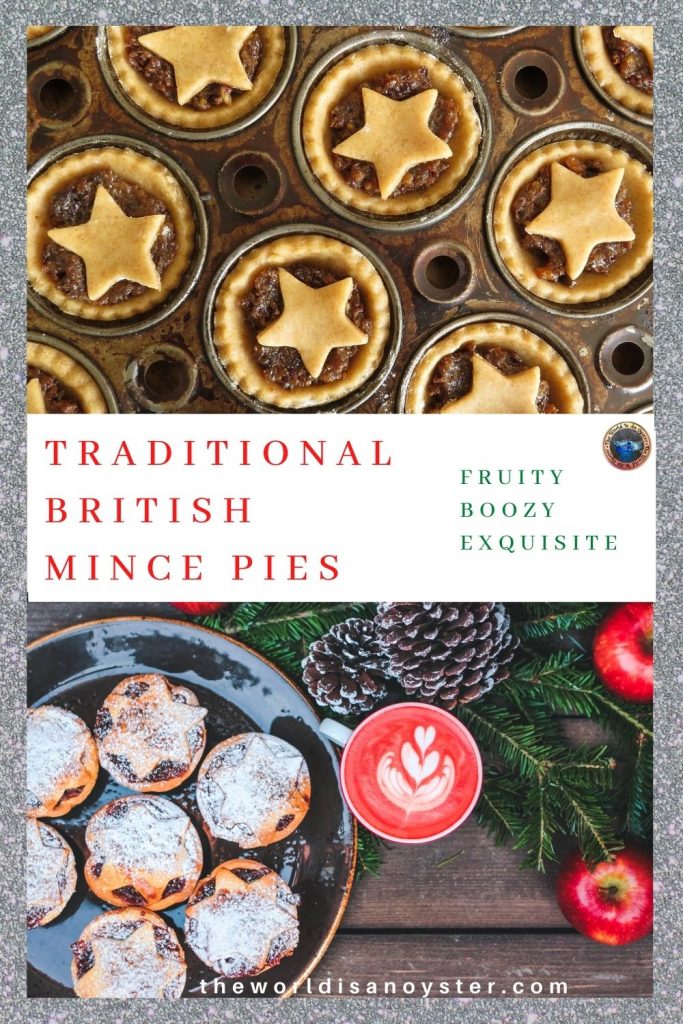


Mince Pies
Ingredients
For the crust
- 500 g plain flour (4 cups)
- 150 ml melted coconut oil (⅔ cup)
- 150 ml melted unsalted butter (⅔ cup)
- 3 tbsp coconut sugar
- 1 lemon zest
- 1 pinch of salt
For the filling
- 100 g Medjool dates (about ½ cup)
- 100 g dried figs
- 100 g dried blackcurrants
- 100 g raisins
- 100 g dried cranberries
- 100 g dried goji berries (optional; I used them for colour)
- 2 tbsp toasted flaked almonds Skip if you have a nut allergy!
- 2 tbsp cocoa nibs (optional)
- 1 orange (juice+chopped peel)
- 2 orange zest
- 1 tsp nutmeg
- 1 tsp cinnamon
- 1 tsp cloves
- 1 tsp organic dried ginger
- 3 pcs peppercorn
- 4 pcs star anise
- 8 tbsp coconut sugar
- 10 tbsp water
- 2 tbsp Martini (or any liquor)
- 1 vial rum oil essence
Instructions
For the crust
- Sieve the entire quantity of flour in a large bowl, add the sugar, lemon zest, salt and the melted fats. Mix using your hands or a kitchen mixer if you have one.
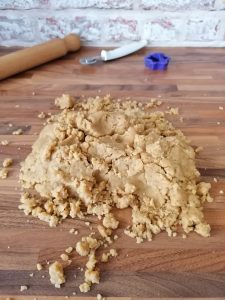
- The dough will be very crumbly at first, but when you add the eggs, the proteins found in them will help bind it better and work it easier.
- Cover the dough in clingfilm and refrigerate it for at least half an hour (an hour is better). Cooling helps the oily ingredients solidify, and this will make rolling easier. I tried to save time, but working the dough before cooling it was useless; all I got was crumbles spread on the worktop.
For the filling
- Preferably, the mincemeat should be prepared a week before use and kept in the fridge to allow all the savours to mix nicely and create an absolutely intoxicating flavour!
- Grind all spices together.
- Finely chop the large fruits and the orange peel. Mix with the rest of the dried fruits, sugar and orange zest.
- Add the wet ingredients (orange juice, liquor, water). Some recipes recommend lard instead of water, which I find revolting! Besides, it is not healthy to mix pork with fruits!
- Place the mix in a jar, cover with a double clingfilm, then put the lid on and store it in the fridge for about a week.
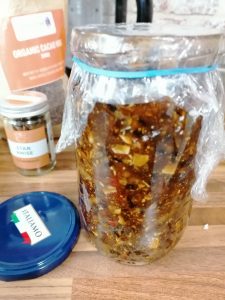
- If some fancy popstar would “create” a perfume smelling like this insane combination, I would pay money to have it and wear it daily! Thinking of it, if anyone goes ahead and commercializes such a perfume now, I am claiming intellectual property rights!
Make the mince pies
- Preheat the oven to 180°C/350°F/gas mark 4.
- Remove the pastry dough from the fridge and use a part to roll a 2-3 mm thick sheet.
- With a large glass or a round form, cut the base. Use either a smaller glass or any Christmassy shape to cut the lids/tops. I used a star shape because it covered better than the others.
- Place and adjust the large pieces in the tray, add a spoon of fruit filling, put a pastry lid on and coat with a beaten egg using a brush.

- Repeat until you have used the entire dough.
- Optionally, sprinkle a little bit of coconut sugar, then put the tray on the middle rack in the oven.
- Bake for 15-20 minutes or until the mince pies turn golden brown. Allow cooling when finished and before serving.
Notes
A Tradition In Name Only
The post The Most Mouthwatering Christmas Treats: British Mince Pies appeared first on The World Is an Oyster.
]]>The post Romanian Cozonac: The Best Treat on Your Festive Table appeared first on The World Is an Oyster.
]]>A Culinary Delight with A Long History
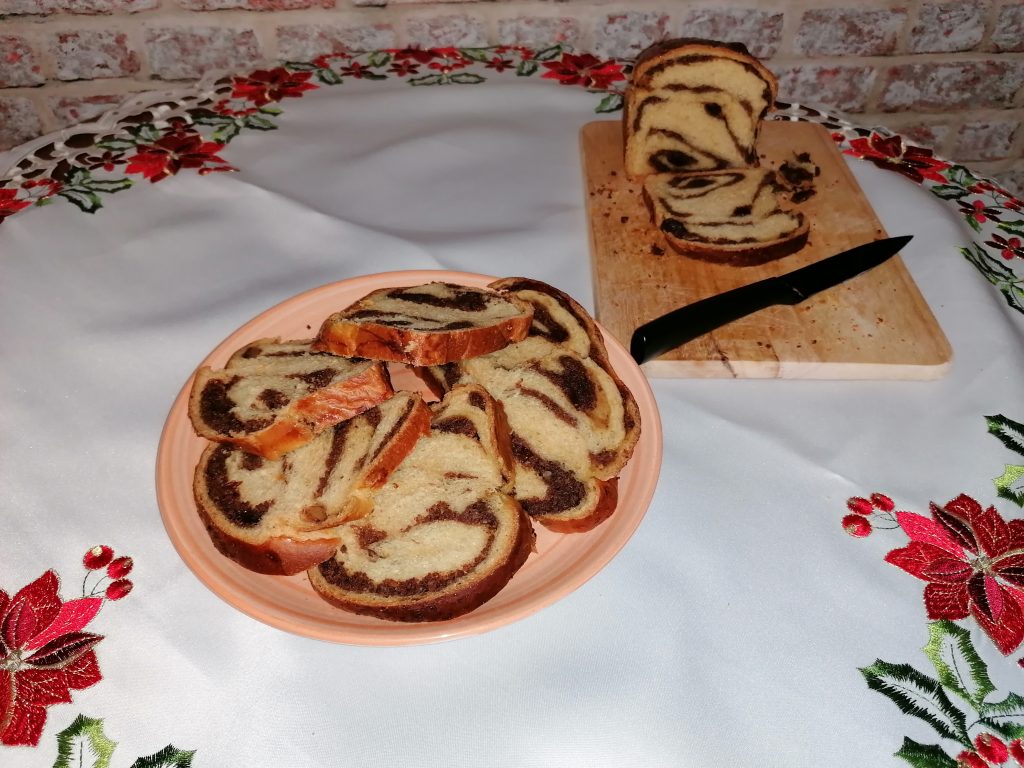
A Word About Romanian Cozonac
Romanian Cozonac is a beautiful festive delight I grew up with as a child in my country of origin.
Each major holiday mom would bake the best treat there could be. Be it Christmas or Easter, our house would smell wonderful, filled with delightful flavours escaping from the oven. And I would wait impatiently for the festive dinner to finally savour the best treat created by humankind!
This post may contain affiliate links, which means I will receive a commission if you purchase through my links at no extra cost to you. Please read the full disclosure for more information. Thank you!
The ladies of Romania, especially in the countryside, would take at least half a day before a holiday to bake lots of cozonaci (plural [cozonach]) for the festive dinner, and mom is still not an exception.
How Cozonac Evolved During the Ages
Based on bread baking and using a raised dough, cozonac (kozunak in Bulgarian, or Panettone in Italian) has seen a long history, going back to pharaohs’ old times.
Apparently, the ancient Egyptians made fermented dough sweetened with honey they would bake in ovens, as shown in some wall paintings.

The ancient Greeks also made honey-sweetened bread they would fill with nuts and call plaukos.
The more advanced and ever so posh Romans have improved the recipe by adding eggs, butter and dried fruits.
In Middle Age Europe, dried fruits would mostly fill the sweet loaves of bread because they lasted longer.
In England, a mention dates from 1718 of a sweet bread filled with dried fruits and baked in long, thin loaves – the shape primarily used today.
In France, the famously infamous Marie Antoinette remained in history with her uninspired advice to the poor to eat brioche if they could not afford bread. The said brioche seems the be our same delight. Unfortunately, she paid with her head for her lack of touch with her country’s harsh reality!
By the nineteenth century, cozonac became a traditional holiday treat around Europe with slight recipe variations.
To any Romanian, the presence of cozonac on each festive dinner table is an absolute must.
In recent years, cozonac, like anything else, has become a commodity sold in supermarkets.
But most Romanian ladies would still bake it at home using different types of filling, from walnuts to poppy seeds, Turkish delight or chocolate. These last three ingredients also make a perfect substitute for nuts for persons with an allergy.
To me, Romanian cozonac is the best festive treat there can be, and I can never get enough of it!
You can offer me the most elaborated sweet made by the most in-demand French pastry chef at a fancy king’s court, and I would always choose cozonac! Nothing beats the aromas that fill the air when you bake it and the taste offered by the combination of spices used in the preparation!
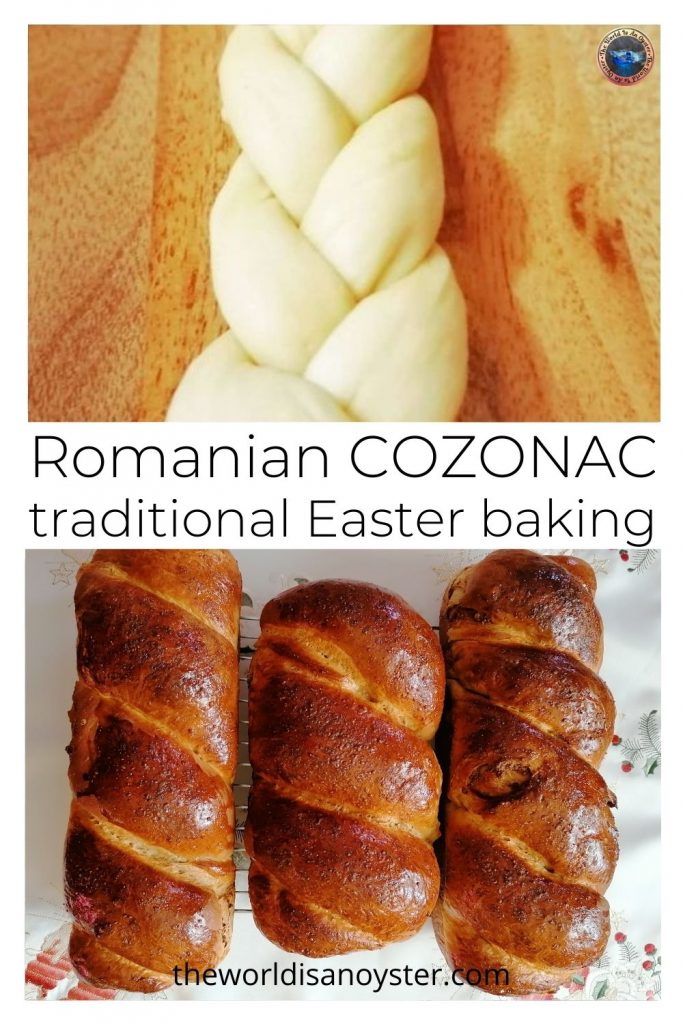
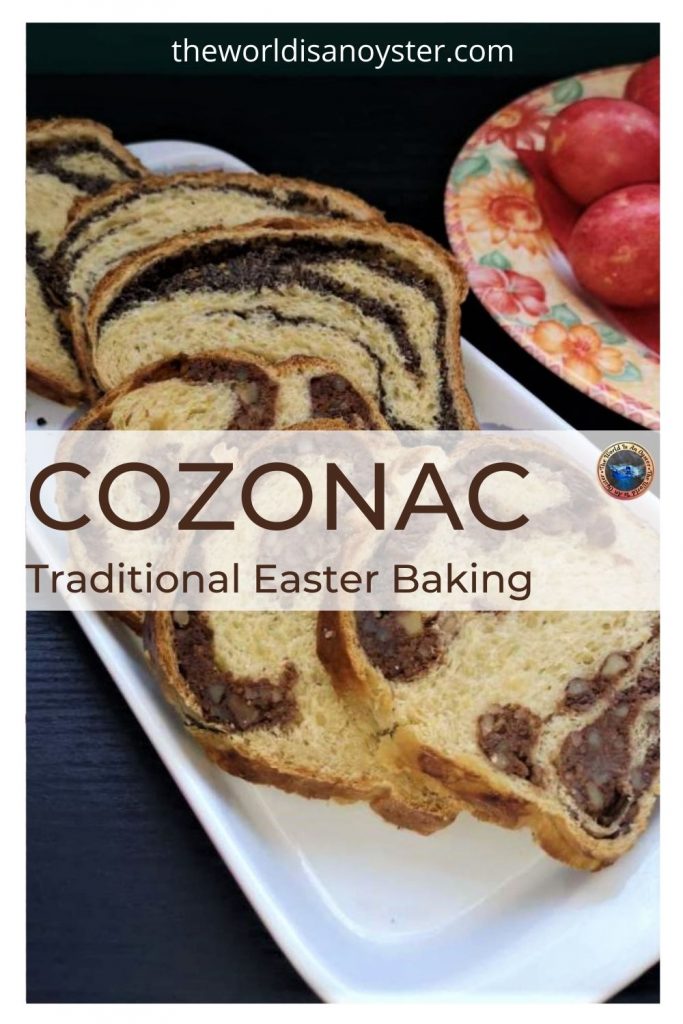
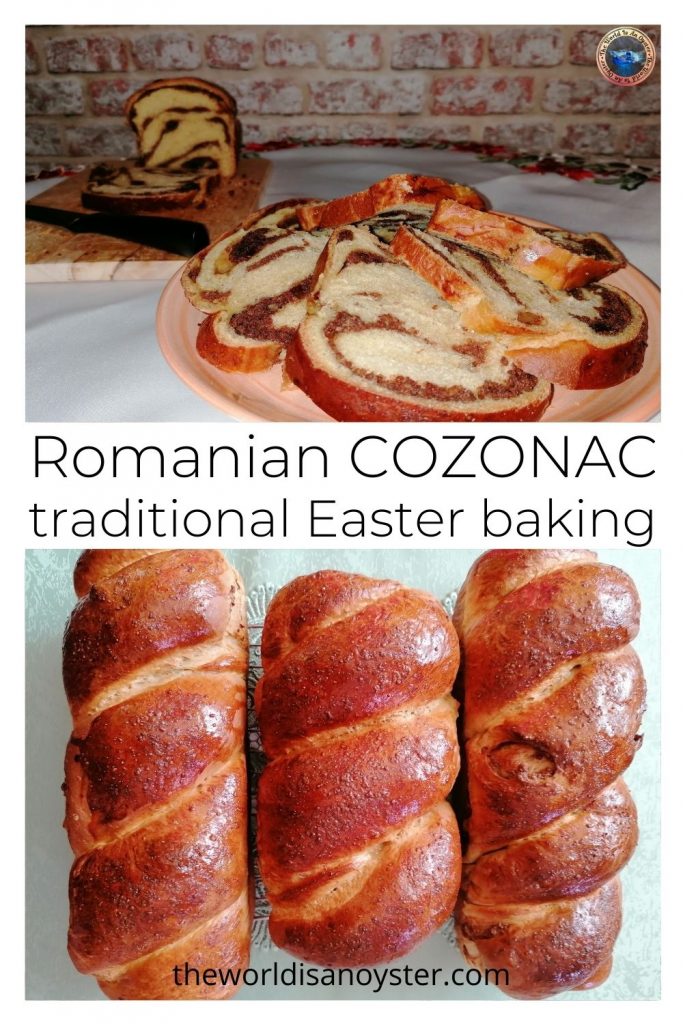
As you get in the holiday spirit, may you have the table filled with goodies and your soul overflowed with goodness and cheerfulness!

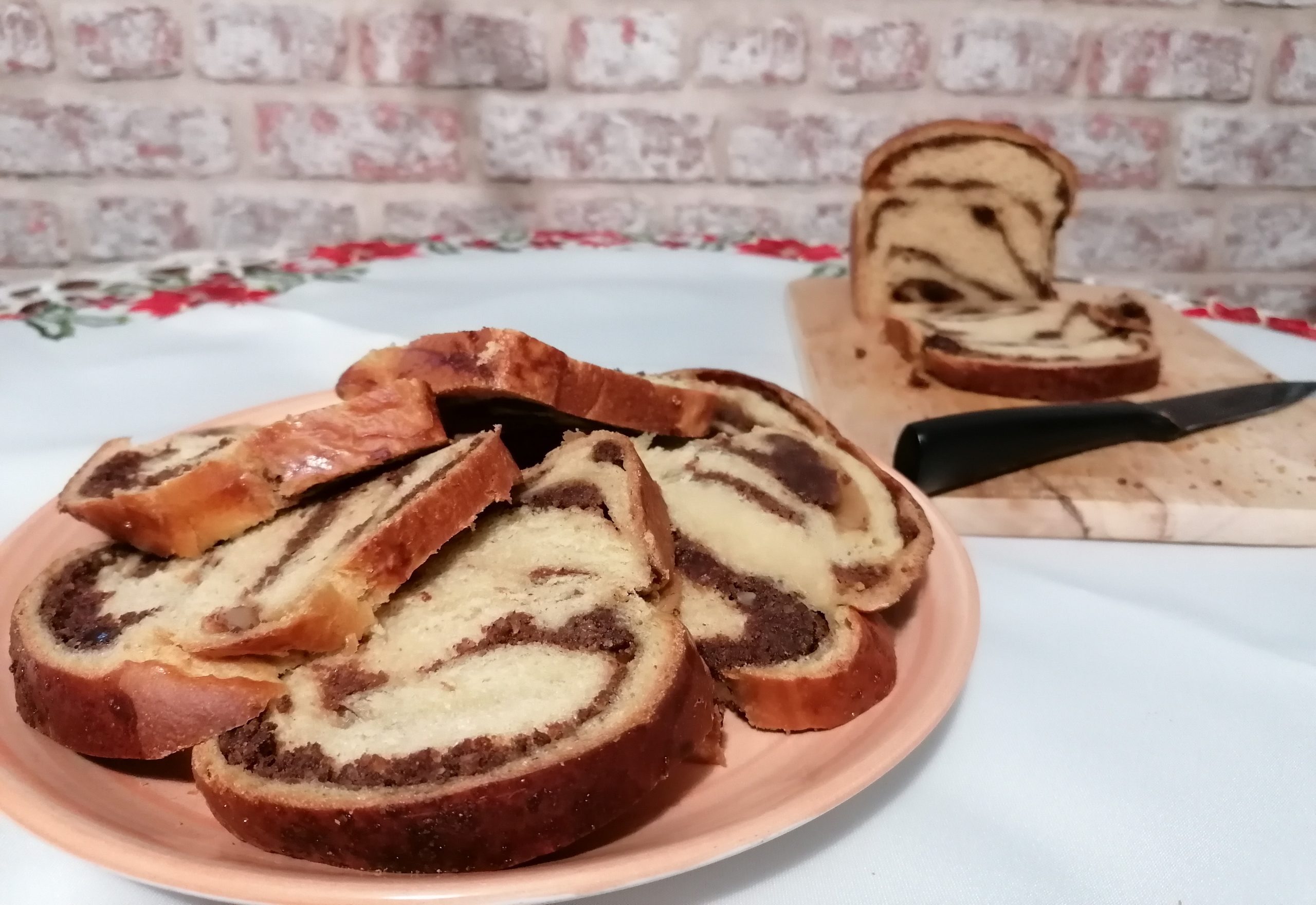
Romanian Cozonac
Ingredients
- 1 kg plain flour (sieved)
- 4 tbsp coconut sugar (spoonfuls)
- 600 ml (2½ cups) milk (tepid)
- 2 tbsp youghurt (at room temperature)
- 100 g (½ cup when melted) butter (melted and tepid, not hot)
- 140 ml (⅔ cup) sunflour oil (tepid)
- 3 egg yolks
- 20 g (5 rounded tsp) dried yeast
- 1 orange zest
- 1 pod vanilla
- ¼ tsp saffron/turmeric (for colour)
- ½ tsp salt
For the nut filling
- 700 g (7⅓ cups) walnuts
- 100 g (⅔ cup) raisins
- 1 vial rum oil essence
- 7 tbsp coconut sugar
- 2 tbsp cocoa powder
- 1 tbsp cinnamon (ground)
- 1 tsp clove (ground)
- 1 orange zest
- 3 egg whites (whisked stiff)
Alternative poppy seeds filling
- 600 g (4¼ cups) poppy seeds (ground)
- 6 tbsp coconut sugar
- 1 tbsp cinnamon (ground)
- 1 ornge zest
- 1 vial rum oil essence
- 3 egg whites (whisked stiff)
Instructions
- Mix the egg yolks with salt, yoghurt, orange zest, vanilla in a bowl, and leave it aside. Heat the milk in a pan and pour a part of it over the above mix.
- The other part goes in another bowl over the yeast mixed with sugar. Allow 10-15 min to activate the yeast, preferably in a warm place.
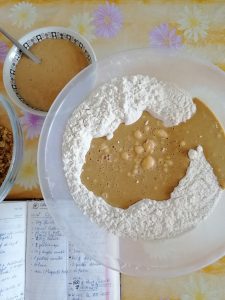
- Place the flour in a large bowl and add the wet ingredients. Knead with one hand. The dough might be soft and sticky at first, but do not add extra flour! As you knead it, the consistency will change.
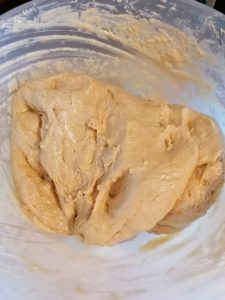
- Add the tepid butter mixed with oil little by little and keep kneading.
- When the oil is absorbed, you can move the dough on a floured worktop and continue to knead. The whole kneading process should take approximately 20-30 minutes.
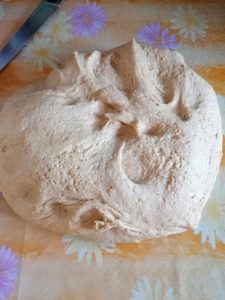
- Place the dough back into the large bowl, cover it with a dry kitchen towel and let it rise until the volume doubles, preferably in a preheat oven to 40°C (104°F).
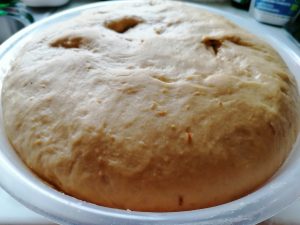
- Importantly, before you cover the dough, you should make a cross sign over it. Believe it or not, it will make your dough rise – so say all the Romanian, Italian or Balkan lady bakers. Since I only made cozonac once in my life and a long time ago, I don't remember if I respected this tradition/superstition. To me, all baking and cooking ingredients, in general, are chemical compounds that produce a chemical reaction at a temperature and mix nicely to result in the food we eat. Try to convince a granny, especially one who lives in the countryside, that cooking is biochemistry! It's way easier to cross the dough and spare a long scientific debate that will not convince the granny in the least! This year, I baked with mom and had fun when we got to this point in preparation, but she still respected the tradition!
Method for the nut filling (makes three cozonaci)
- While the dough rises, prepare the filling by mixing well the dry ingredients.
- Separately, whisk the egg whites until stiff, then incorporate spoon by spoon into the dry mix until obtaining a thick paste.
Method for the poppy seeds filling (makes three cozonaci)
- Place the ground poppy seeds in a pan and cover them with milk.
- Place the pan over medium heat and mix continuously until the poppy seeds absorb the milk.
- Add the sugar, orange zest, cinnamon and rum essence and keep stirring until the ingredients incorporate nicely.
- Remove the pan from the heat and let the content cool before use.
Method for filling and baking cozonaci
- Oil the worktop, divide the dough into six equal pieces and let it rest for 10 minutes.
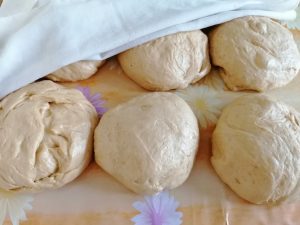
- Using your hands, spread each part at a time in a rectangular shape and cover it evenly with 2-3 spoonfuls of the walnut mix, leaving the edges free.
- Roll it and leave it on the side.
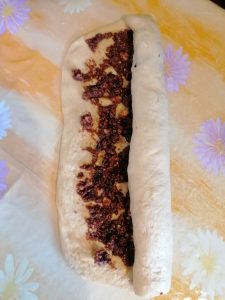
- Repeat the process with a second piece, braid them together and place your first cozonac in a loaf tray coated with parchment.
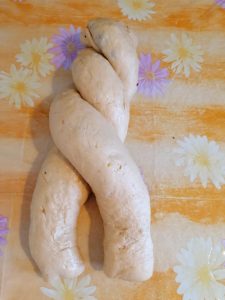
- Because the dough is elastic, you can pull or tuck it to adjust to the tray size.
- Repeat the process with the rest of the dough pieces and nut/poppy seeds filling.
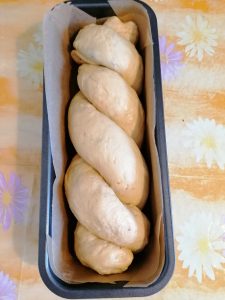
- Preheat the oven to a maximum of 40°C/104°F, turn the heating off and place all three loaves on racks. Close the oven door and let the cozonac rise for about 20 minutes.
- Remove the trays from the oven.
- Beat an egg and use a brush to coat the entire surface, then sprinkle a little bit of sugar evenly.
- Place all three trays back in the oven on the same rack so that they are positioned right in the middle, but leave some space between them to allow hot air to reach the trays evenly.
- Heat the oven to 130°C/266°F at first, for about 10-15minutes, then increase the temperature to no more than160°C/320°F (fan oven) and let the cozonaci bake for another 45 minutes until they turn golden brown.
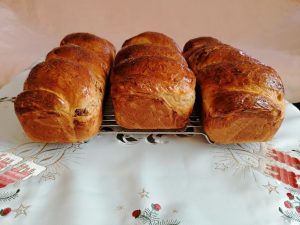
- When ready, remove from trays, place the loaves on a rake and let cozonac cool completely before you slice them.
Notes
The post Romanian Cozonac: The Best Treat on Your Festive Table appeared first on The World Is an Oyster.
]]>The post Perfect Bread Maker Panettone – Christmas Made Easy appeared first on The World Is an Oyster.
]]>The Bread of Toni
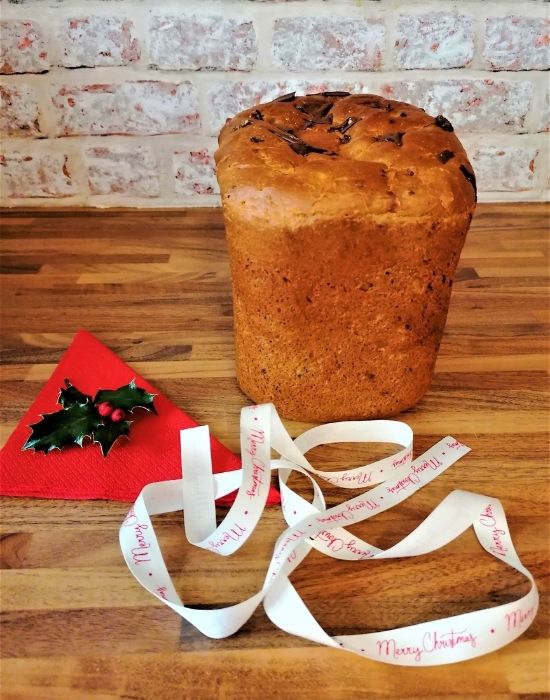
As is the case with everything Italian, the nation’s Christmas traditional dessert, Panettone, has its history that goes back to the fifteenth century.
This post may contain affiliate links, which means I will receive a commission if you purchase through my links at no extra cost to you. Please read the full disclosure for more information. Thank you!
A legend has it that one Christmas Eve, while the entire court and guests of Ludovico Sforza, Duke of Milan were sat at the festive table, disaster stroke in the kitchen. The cook managed to burn the dessert accidentally!
Mamma mia, che dolore che faccio ora il duce mi va cortare il capo! (Oh, dear God, what a disaster, the duke will chop my head off!)

While the unfortunate cook was pulling his hair off, a kitchen helper, Toni, threw a few ingredients in a bowl and made a soft dough he baked and served to the potent rulers of Milan.
The sweetbread was so successful among the guests that the Sforzas called it Pan di Toni (The Bread of Toni), which remained in history as the rich people’s traditional Christmas bread. Today, it is the classic Italian dessert the entire world knows as Panettone.
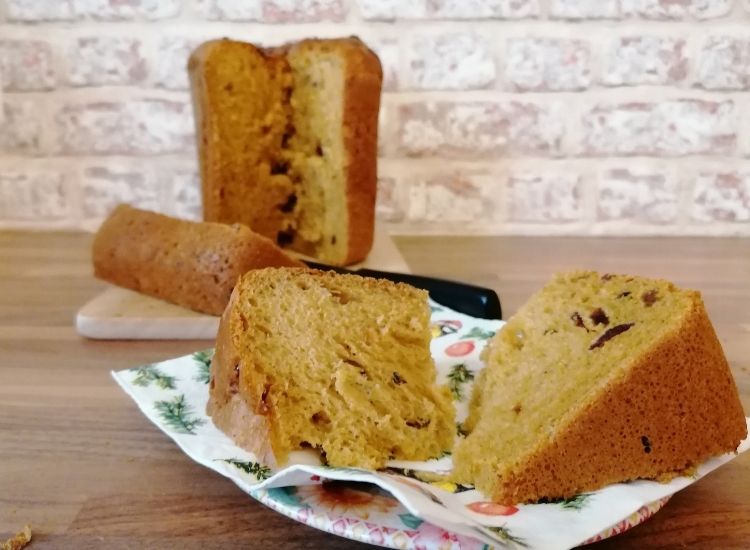
The traditional recipe for Panettone has a lengthy preparation process that takes two days. Thanks to modern technology, many of us use bread makers to save time and bake easier. If you own one and read through the manual, you might find a Panettone recipe adjusted to the type of machine you have.
Just a quick word about everybody should use a breadmaker. To me, it became a vital kitchen appliance during my chemotherapy sessions, years ago when I was diagnosed and treated for cancer. I started using it during my brutal treatment and never went back to buying supermarket bread since!
I know what ingredients I am using (all the healthy ones, always!), I know what type of bread or cake I want, and this beautiful invention provides it to me, as simple as that! All I have to do is add the ingredients, choose the program and press the start button. Then I go on with my business and come back only when I hear the beep that tells me my bread/cake is ready.
A breadmaker is a fantastic time-saver, but the best thing about using one is the tremendous health benefit to you! Say adiós to refined sugars, GMO flours and all sorts of additives that come with a bag of sliced bread and start a healthier lifestyle; you owe it to yourself and your family!
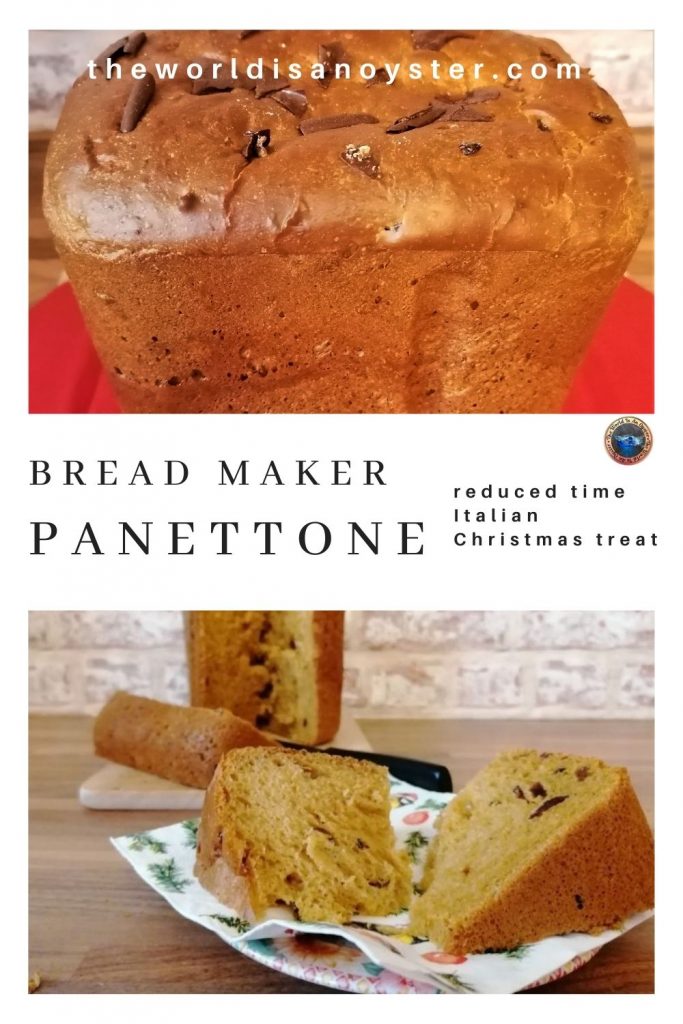
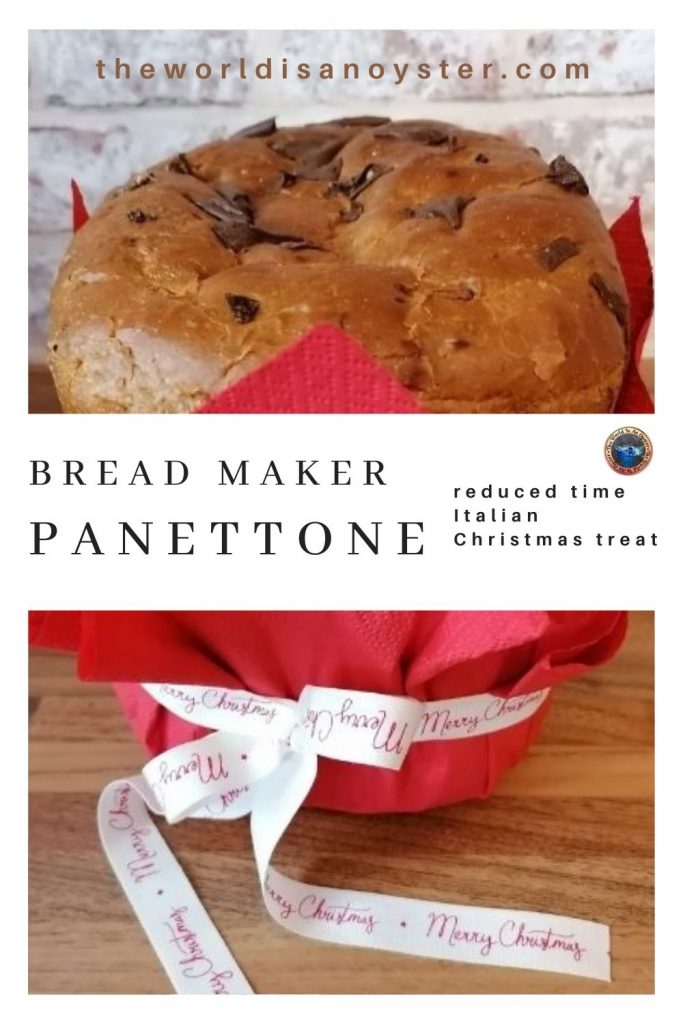
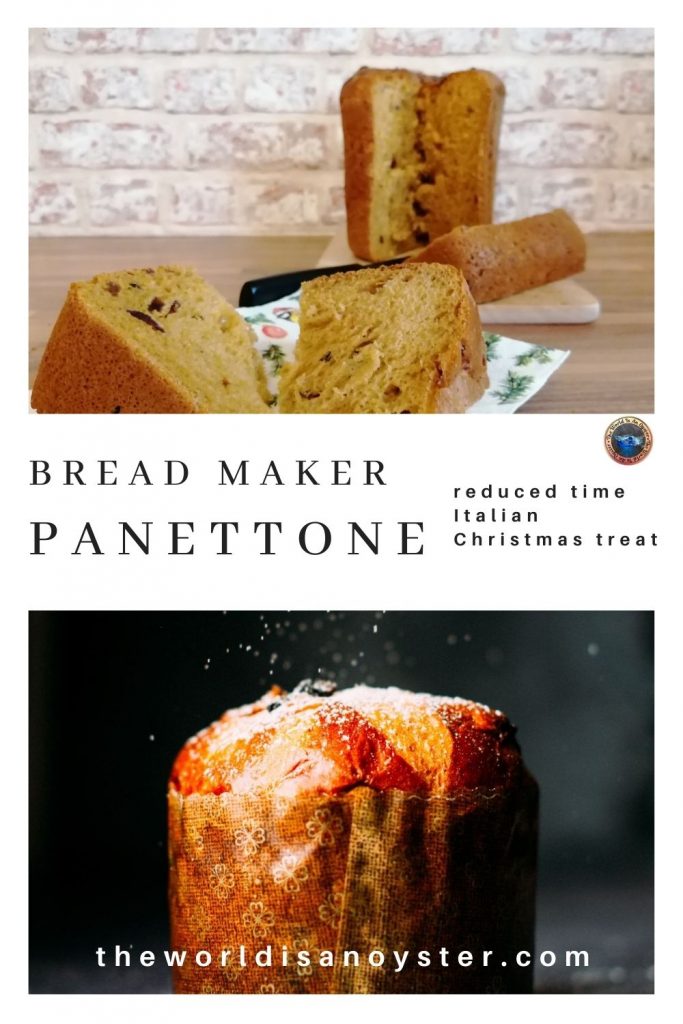
This Panettone is an adapted recipe from my bread maker’s booklet. The original sounded a bit blunt, and I wanted to get all the flavours that scream Christmas; hence I added a few things, and the result was an absolute success.

My bread maker Panettone lived a very brief life on the kitchen table! But this was only a try. On Christmas Eve, I’ll be sure to throw all the ingredients in the machine, and while we make the last-minute preparation, my Panettone will be ready just in time for dinner.
I’m sure our kitchen hero Toni would not mind that I wanted to save time and prepare his delight using modern means. It does cut the time from two days to three and a half hours!
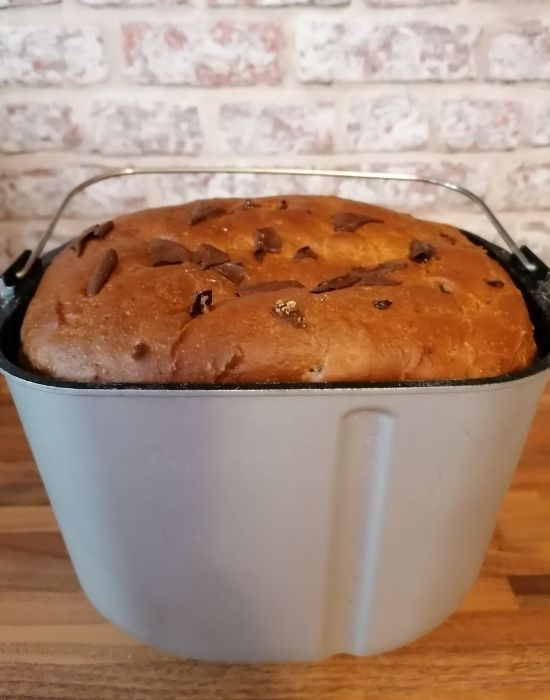
As a last note, the dough for Panettone is a soft one, completely different from bread dough and impossible to hand-knead. Even if you chose the traditional method, you would still need a food mixer, and why not leave it to the bread maker then?
Ingredients for bread-maker Panettone:
2 tsp dried yeast (make sure it is suitable for bread maker use)
400 g strong bread flour
5 tbsp coconut sugar
1 tsp sea/rock salt
1 tbsp coconut oil (at room temperature)
2 eggs (beaten)
200 ml (3/4 cup) almond/coconut milk
1 tbsp orange zest
Spices mix (ground cinnamon, nutmeg, ginger, clove)
Extras:
50 g butter
A handful of raisins
A handful of goji berries
A handful of dried cranberries
2 tbsp cacao nibs
Chocolate shreds (I picked some from a cereal box and spread them on top of my Panettone; improvisation is key!)
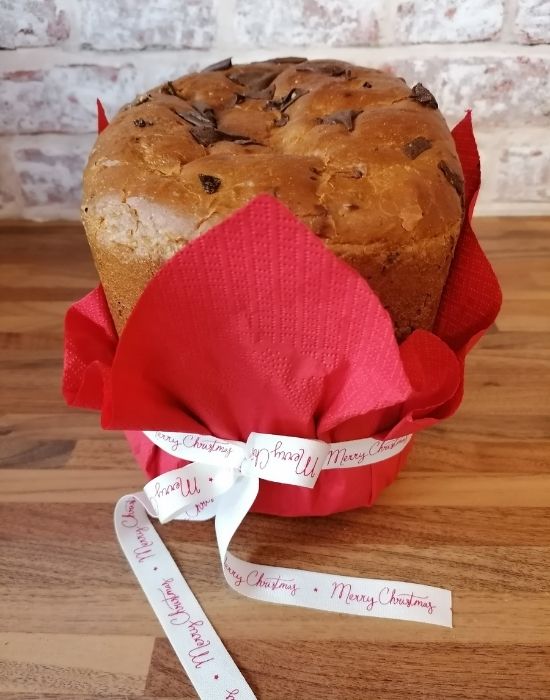
The programme for this bread is Brioche (13, on my device); crust option: light; total time: 3 hours 30 minutes.
My machine requires adding the dry ingredients first; the wet ingredients go over the flour, and the order in which I add them does not matter.
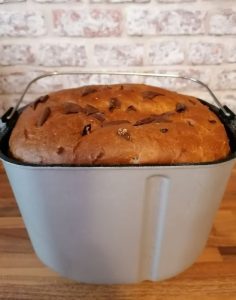
My bread maker would beep after 55 minutes when it was time to add the extras. Then I have to press the Start button again for the program to continue.
Each bread maker functions differently. The important thing is that the machine will do the job and will let you know when your beautiful, fluffy and aromatic Panettone is ready. Let it cool and use it within a week (if it lasts!)
Buon appetito and also Buon Natale for when you will serve it at your Christmas dinner!
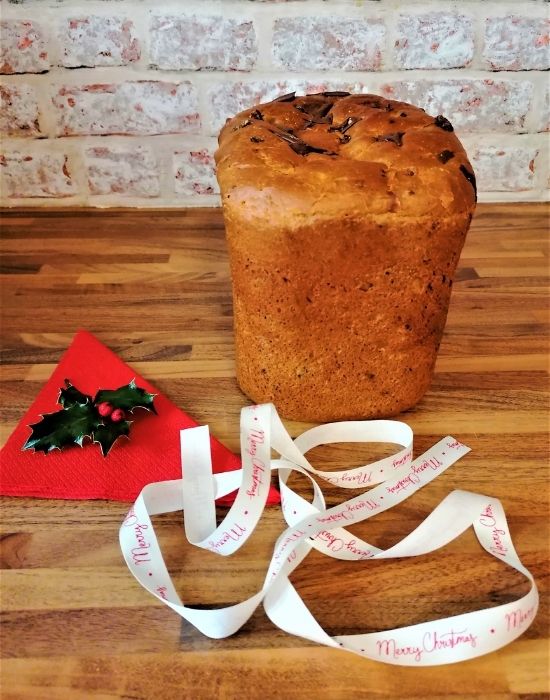
Bread maker Panettone
Equipment
- Bread maker machine
- Spoon
- Small bowl+fork
- Cooling rack
Ingredients
Basic ingredients
- 400 g organic strong bread flour
- 5 tbsp organic coconut sugar
- 2 tsp dried yeast the suitable for bread makers type
- 1 tbsp organic coconut oil at room temperature
- 2 organic eggs beaten
- 1 tsp sea/rock salt
- 200 ml almond or coconut milk ¾ cup
- 1 tbsp organic orange zest
- 1 tbsp spice mix (ground cinnamon, nutmeg, ginger, clove)
Extras
- 50 g organic butter unsalted
- 1 handful raisins
- 1 handful goji berries organic, sundried
- 2 tbsp cacao nibs
- 1 handful chocolate shreds or dry fruits for decoration
Instructions
- The programme for this bread is Brioche (13, on my device); crust option: light; total time: 3 hours 30 minutes. Check the instruction booklet for your machine to choose the right programme.
- Each bread maker is different; my machine requires adding the dry ingredients first, then all the wet ones on top.
- After 55 minutes, the machine would beep and let me know that it was time to add the extras. Then I have to press the Start button again for the program to continue.
- When ready, carefully remove the pan from the bread maker using oven gloves.
- Remove the Panettone from the pan and allow it to cool completely on a cooling rack before serving.
- Each bread maker functions differently, but the end result will be a fluffy, flavourful Panettone ready in time for your Christmas dinner and a house filled with holidays aromas!
Notes
The Bread of Toni
The post Perfect Bread Maker Panettone – Christmas Made Easy appeared first on The World Is an Oyster.
]]>