The post Halloween 101. Reasons to Throw a Ghoulish Bash! appeared first on The World Is an Oyster.
]]>Release the Ghosts!
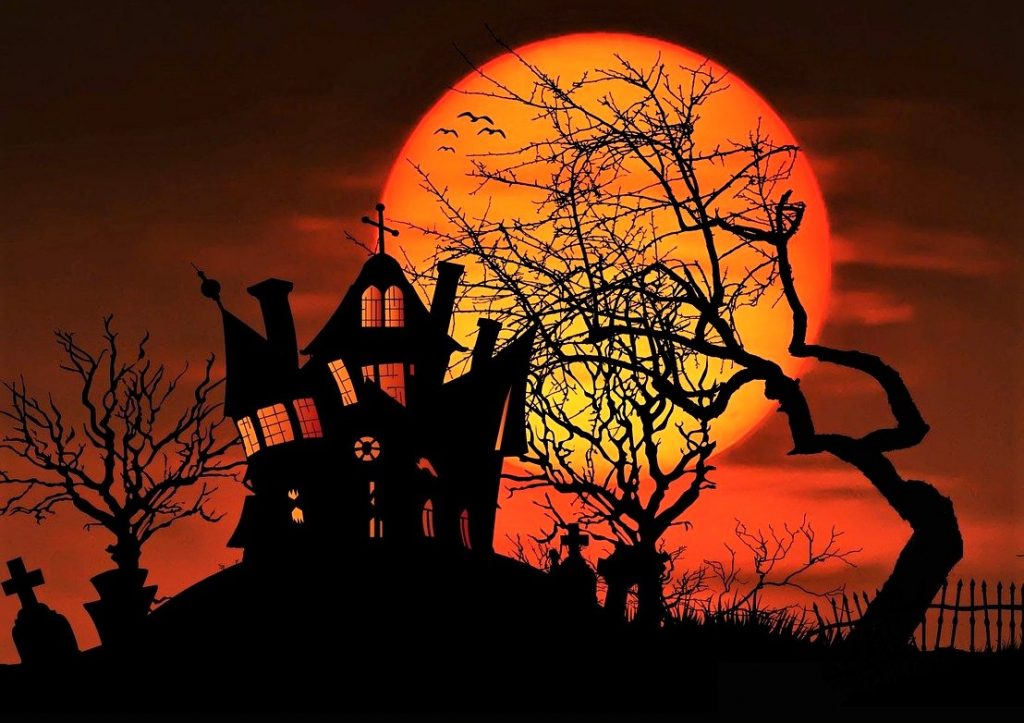
The Americans alone spend $9 billion on Halloween. It puts famine into perspective! Those familiar with my posts would understand why my face “fell off” when I read this fact in a news article. My otherwise fierce courage deserted me in my hour of need: I dared not look for a global statistic. I care about my face! 
Well, I understand societal consumerism and the urge to party for whatever reason, and I get it even more in the fateful (first) year of the pandemic. I accept both reasons even when they apply to nations that had absolutely nothing to do with this mainly American holiday until a decade ago but adopted it for it offers yet another reason to throw a monster (pun!) party.
Romanians, for instance, fill this description, but we have a good excuse: we love a rave, hey! Suppose the government would one day deem it right to declare, I don’t know, May 14th the National Odd Slipper and Pinocchio’s Nose Day. I’m pretty sure the nation will be quick to drag their feet in odd slippers and sport some twig protruding from between their ears to some organised party, even with quarantine rules imposed by said government.
My dilemma is, out of so many billion people on the planet, how many have a clue what the hell they are celebrating to justify the colossal amount of money spent for one evening?
The six people who already know can stop reading now and go on with their routine. For the rest of us, I did some research and put a few facts together in this Halloween 101. I’ll be quick; this is the shortest post I’ll ever write, I promise.
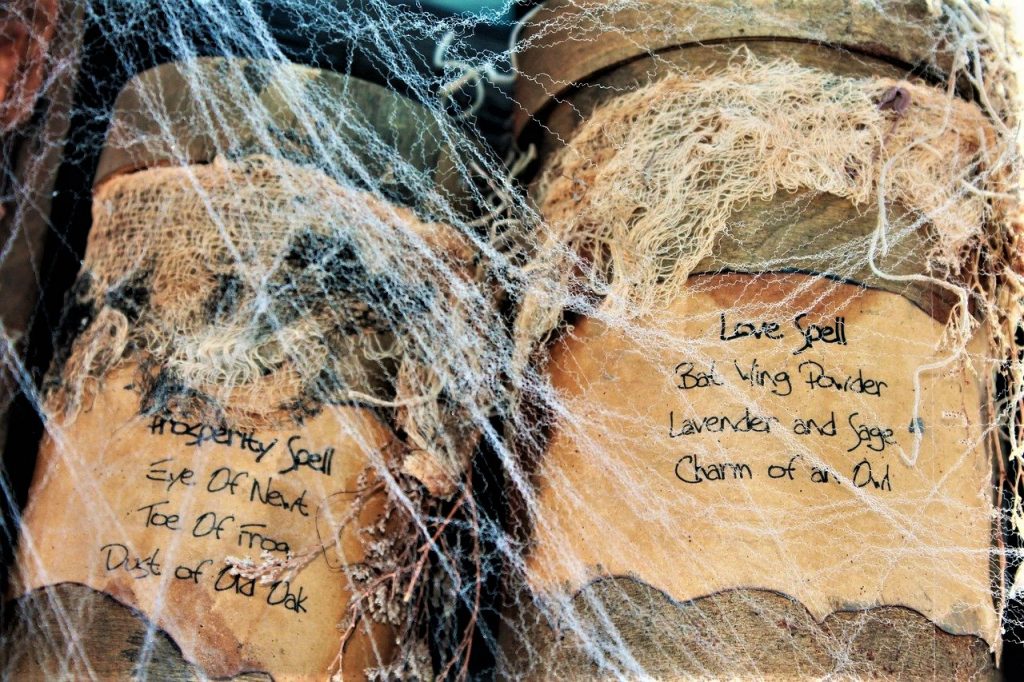
Here goes Halloween 101:
- It is otherwise known as the evening before All Saints Day. In essence, a Druid (old and mystical religion of Celtic tribes in ancient Ireland) end-of-summer celebration married to a Dark Age Pope’s decision to move The All Saints Day from May 13th to November 1st. Peace over millennia of dissension between pagan and Christian, in essence. Totally worth a drink or two and some cash spent on a latex costume. I could not find any information on prehistoric similarities, but it would be so cool if anyone had the knowledge and would like to share it! After all, the Celts who migrated to what is today the UK initially lived in Central Europe. Also, large amounts of Celtic DNA was found in people still living in northern Romania, but no archaeological discoveries to even start a new theory.
- It marked the Celt’s New Year’s Eve. It was the night when ghosts returned among the living. The Druid Lord of Darkness, Samhain, allegedly chased the spirits around the towns to get them back to where they belonged. This possibly has provided, two thousand years later, the most popular Halloween costume ideas: ghosts, skeletons, witches and vampires.
- Speaking of vampires, who, as we all know, reside in Transylvania, a spooky region of Romania, ever enveloped in mysterious fog, where people wear garlic necklaces and always watch over their shoulder for a dark silhouette of a certain Mr Dracula. (I’m joking, it’s mostly sunny over there, and the people are actually quite trendy, although they love garlic, in foods!) Yes, the Romanians have serious reasons to celebrate Halloween! They should only do so on November 29th, on St. Andrew’s Day (the saint patron of wolves), for this is the spooky time when the gates of heaven open for the ghosts to come down on Earth and create havoc among the wolves and the vampires – the unfortunate ghouls caught in purgatory and messing badly with the living. The day officially marks the beginning of winter, when the evil spirits will look to steal future crops’ power. The people have tried everything in their power to thwart the malefic forces’ action. Apparently, garlic provided the best results; keep this in mind if you happen to run into Dracula one day. Luckily, he’s too fancy and easily offended by the pungent stench of an otherwise healthy veggie, a veritable natural antibiotic. Hmm, I wonder now, would an injection with penicillin work as a deterrent for vampire bites? And what do you do if you try that and it turns out your vampire has a penicillin allergy? I would probably act on instinct and call 999, forgetting the damned initial reason!
- What’s with the pumpkins an’ all? Well, it seems to be a modern adaptation to an ancient tradition. The Irish used to carve turnips and make them into candles to keep the dark forces at bay. When they emigrated to America, they realised that a pumpkin makes more sense for this purpose and adjusted the tradition. A previous legend has something to do with a drunkard called Stingy Jack, who made a pact with the devil, and after death got stuck between the worlds, that’s why he carries a candled carved pumpkin to lighten his ways.
- In some cultures, including the Romanian one, women believed that their future husbands would show in their dreams on All Hallows Eve. It might sound a bit fishy if you are a nonbeliever; perhaps it is the “trick” part of the “trick-or-treat”. Just sayin’; I believe in everything, including dreams! And why shouldn’t I when my most recurrent one is that I’m still cruising? Not bad for a nightmare, eh?

- All the rest is a modern adaptation to a probably way older tradition for which there is no available information. I debated this problem and gave my honest opinion on how much we know and how much we don’t know here.
At the end of my research, I’m still shocked at the amount of money spent on Halloween. Even in full pandemics, the spending did not drop dramatically; it still reached a little over 8 billion in 2020. I am confident it won’t change much in 2022 either, recession or not. We are all fed up and most likely will retaliate, throwing stashes of heating or petrol money left and right!
Still, the conclusion is a positive one: after millennia of war, conquest, domination and global migration, we humans are all united and finally agree on something: any reason is good enough – especially Halloween – to throw a bash and spend insane amounts of cash on a pagan-converted-Christian-converted-commercial holiday!
Eat (quirky treat recipes provided here), drink, release the ghosts and be spooky!
Have a ghoulish Halloween, y’all! Boo! And don’t call me ’till Monday; my hangovers bloody love to hang on!
This post does not intend to offend, educate or anything else beyond cracking a smile from the reader. For more profound insights and referencing purposes, these were my sources:
https://www.history.com/topics/halloween/history-of-halloween. Accessed 30/10/2020
http://www.holidayinsights.com/halloween/facts.htm. Accessed 30/10/2020
https://www.crossroadsinitiative.com/media/articles/truth-about-halloween/. Accessed 30/10/2020
https://www.historia.ro/sectiune/general/articol/de-unde-vine-sarbatoarea-de-halloween. Accessed 30/10/2020.
Release the Ghosts!
The post Halloween 101. Reasons to Throw a Ghoulish Bash! appeared first on The World Is an Oyster.
]]>The post A Walk in Time. Born in October appeared first on The World Is an Oyster.
]]>Ice Age Old
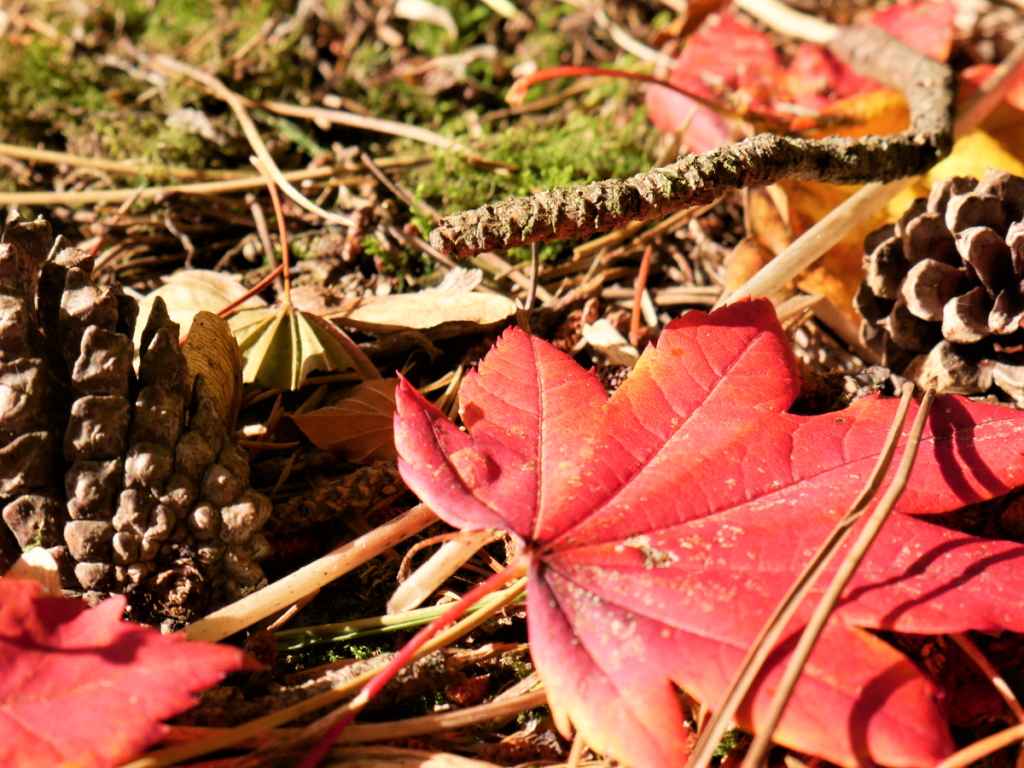
We all love an autumn walk and dragging our feet through the rustling carpet of colourful leaves bedding a forest path in fall. Ochre, crimson, copper or brown, depending on what decomposing stage they were when they fell from the trees, the dead leaves work their magic on us.
We greedily take in the soothing feeling selflessly provided by nature, the bit of sanity so much needed, and the escape provided by a few hours hike to recharge our batteries. We selfishly don’t give anything back, though.
We walk, drag our feet, pick a chlorophyll-deprived leaf and discard it later when the acceptance follows. The acceptance that the summer is gone, the vegetation is dying again its implacable death, and the earth takes a break to recover and replenish its strength to sustain a new life cycle in the coming spring.
Then we close our eyes and turn to the sunlight. The colour we perceive is not a warm, bright coral as in the summer months but a more sluggish, glowing peach.
This is the time when the mind becomes free to wander.
Mine is invariably attracted like a magnet to the old times. Ice age-old. Older than that. And so starts a walk in time.
With the amalgamation of thoughts comes the acceptance that I don’t know something that feels essential. Sixteen years of state education are wasted on me. It gets worse. Over two decades of intense reading, researching various sources and putting the information together takes me nowhere else than to the acceptance that Socrates’s words will forever be painfully right: the only true wisdom is knowing you know nothing!
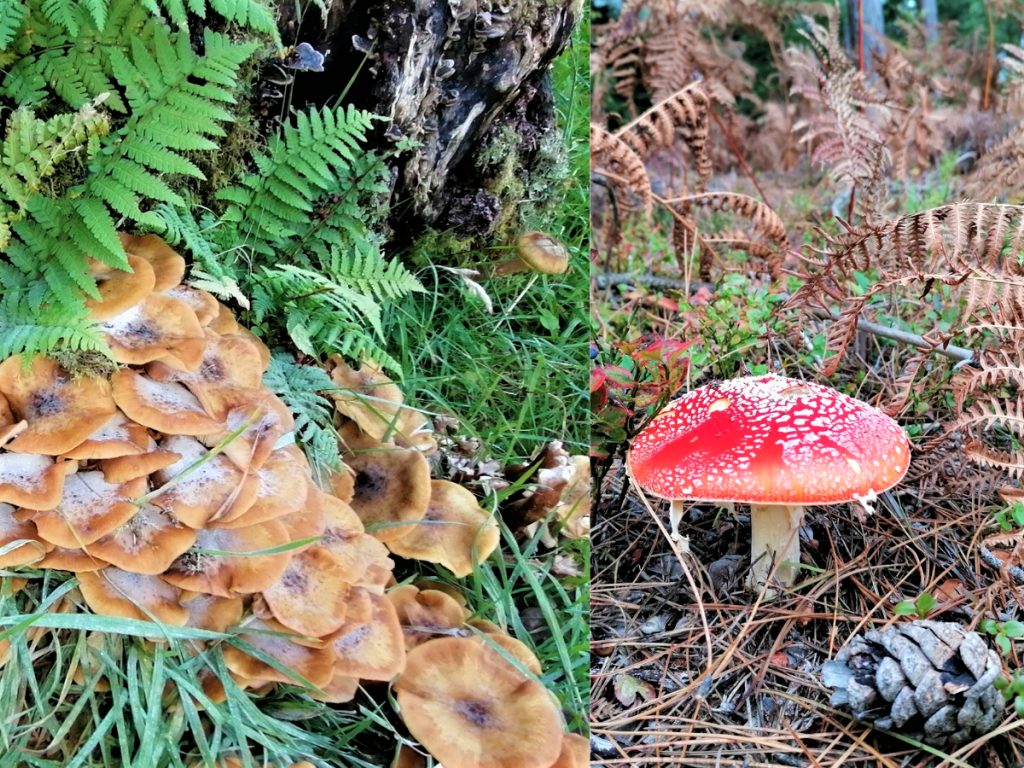
And it is true. I walk onto the rustling carpet and know nothing beyond recognising the names of the trees by their leaves or trunks. Or that I’m not supposed to eat a beautiful red mushroom springing up from among dried ferns. Or any other mushroom, for that matter, even if some are edible (not that I know precisely which are); spores might contaminate them from the poisonous ones carried by the wind. Helluva valuable knowledge!
I wonder again, for the umpteenth time, when had my species decided it was the brightest there ever was and based on what?
Neanderthals had a brain once and a half bigger than ours. Yet, our “experts” believe they did not have a language. Based on what, I wonder again? On the fact that they did not write endless, useless dinosaur treaties on their cave’s walls?
Well, I’m writing on a PC right this moment; where will this insignificant piece of “wisdom” be in thirty thousand years? My PC will be prehistoric plastic by then, and the entire internet will be lost in the ether. The difference is, whatever species will live then won’t be far from the truth when they establish our species was pretty dumb.
Somehow, the Neanderthals dwindled and disappeared about 30,000 years ago. Not before they interbred with Homo sapiens, the fancy new species – sexier, taller, cooler. The new kids in town! So that we all have at least two per cent Neanderthal in our genes – perhaps where our intelligence resides.
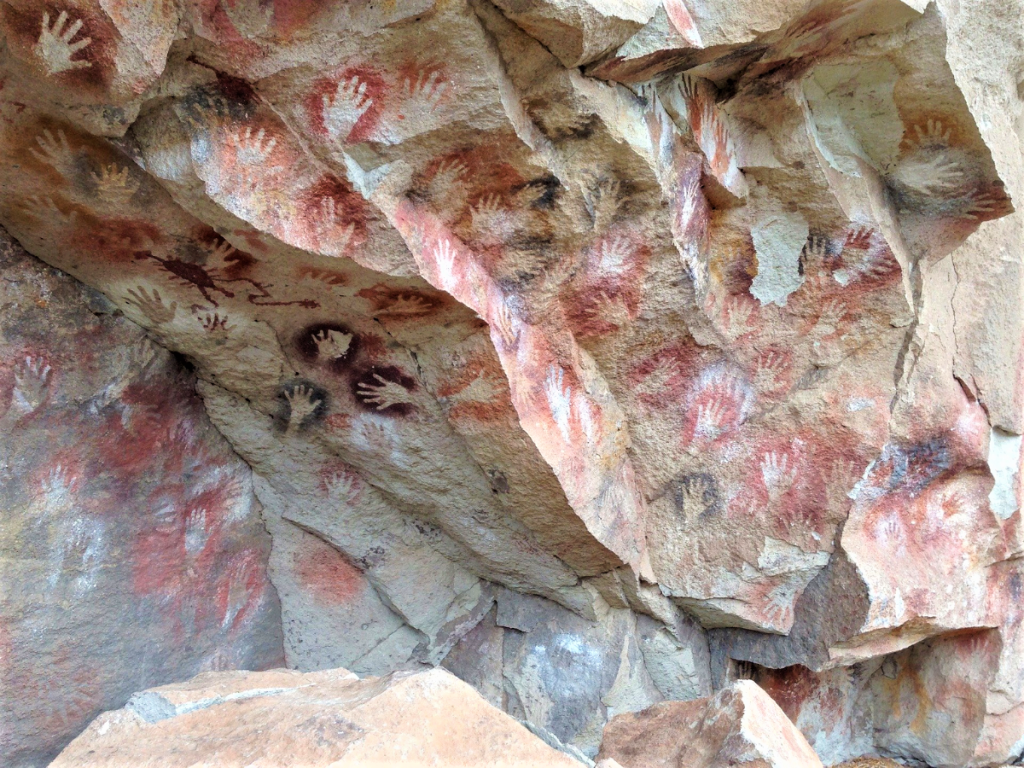
Some more time after that moment, a long winter (no, not that one John Snow was obsessed about, but a real one) took over a large part of the planet. No farther than ten thousand years ago, the tribes that populated Southern Europe (nowadays scorched under a torrid sun in the summer) had to hide deep into the caves to survive the endless months of snow and ice. Many never made it out alive. Their bones were recently discovered, and yet another set of suppositions became the norm. More lengthy treaties filled the libraries’ shelves.
Indeed, the truth might be far from everything we suppose. No way to argue either way. Even if supposedly somebody lived that long to witness all this, who would believe a word they say? (I’m only saying this because I’m reading a book based on such a hypothesis; everything is allowed in fiction! The book is part of a series called The Immortal Collection by Eva García Sáenz for those curious.)
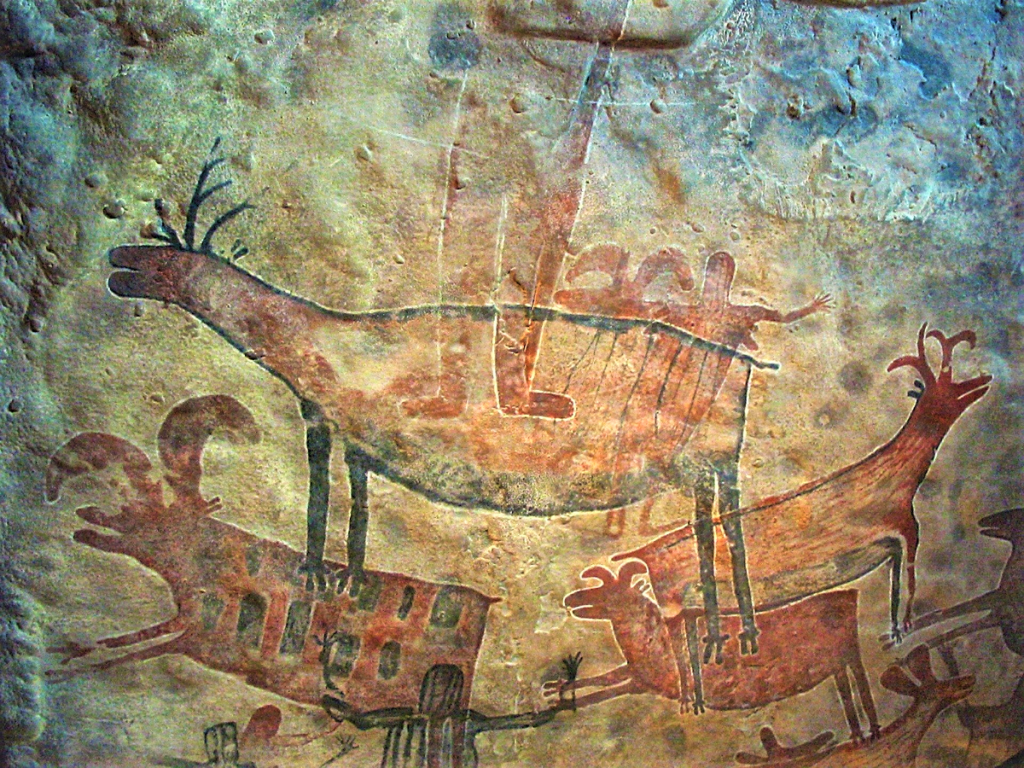
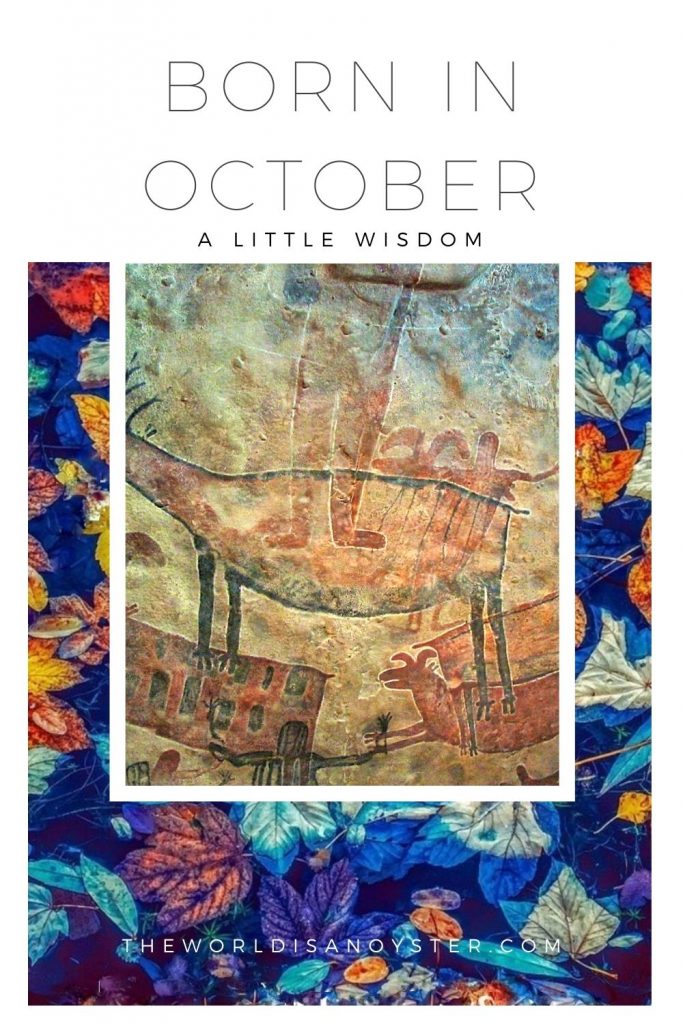
What we smugly call “primitive people” (conveniently dismissing the reality that we will also be “primitives” not long from now!) indeed painted their caves. Unfortunately, they did not leave anything written, so possibly they did not have a language either. Right? The ways of logic…
Later, the ice retreated to the steppes in the far north. The humans came out of their caves. Their lands and horizons expanded. The mammoths were long gone, so they had to invent something other than hunting to occupy their time and thrive.
Agriculture came into the picture, ever-growing communities, greed. Wars to claim what belonged to others. More greed. Flourishing civilisations. Crumbling civilisation. Even more greed – the root of all evil!
Somewhere in the middle of all this, there was a long-lasting and widespread European civilisation called Getae. They loved and protected the forests in which they lived. They ought to have known the uses of all the plants I’m looking at as I walk the woods and many others, long extinct.
(Diverging, because it bugs me: Australia, a massive slice of the supercontinent Gondwana that split up almost 200 million years ago, has managed to preserve prehistoric flora and fauna beautifully. All until the Brits colonised their shores about two hundred years ago. Today, Australia witnesses the worst extinction rate in the world, affecting plants, animals and aboriginals. All courtesy to the “enlightenment”.)
Back to the Getae. Of course, they did not leave written traces, so “logically”, they were pretty dumb. Except they understood nature, knew the use of every single plant at which I was staring cluelessly, and could perform brain surgery using natural sedatives that worked just as well as the chemical cocktail of anaesthetics and analgesics used today.
They understood it was out of the question to heal the body while ignoring the soul. Their mysticism is almost impossible even to fathom today.
They knew so many things, which they passed on to the next generation orally, as the tradition continues nowadays in small, isolated communities around the Carpathian Mountains. Orally!
One of these days, somebody ought to crack the writings on the eight-thousand-year-old clay tablets found in the heart of Romania, the Getae’s territory. Yes, tablets scribbled in an alphabet so old nobody knows how to interpret. Eight thousand years ago is long before the hieroglyphs or cuneiforms popped up.
Their healing knowledge must have been reliable since, many millennia later, the Greeks assumed it and used it to create the basis of modern medicine.
Later, but still far back in BC, a smart old guy called Zalmoxis came into the picture. A wise king, Zalmoxis renounced his Getae throne to become an ascetic and initiate his nation in immortality’s metaphysical secrets.
Like a few others after him, this guy went into a cave at some point, and his people believed him dead. He re-emerged four years later (not three days!), very much alive and mega-spiritualised and taught his people that the soul is immortal. It does not commence nor end with a physical form. The physical form is only temporary accommodation for the soul capable of transcending infinite time and space.
It might be why the Getae accepted that the ephemeral body is not as important as the spiritual existence. It might be why they fought their wars with a ferocity never matched, not afraid of death but looking forward to the next reincarnation, the next temporary accommodation.
Others who wrote their history on sheep-skin parchments, such as a certain Alexander the Great, advised their armies to carefully avoid upsetting the Getae because that would be their (tragic) end.
The Getae did not fear death, and rightfully so. What would one have to worry they would die when immortality was always going to be more alluring? When the soul will always find another vessel. When, if the current life might not be fabulous, the next one could be quite different, and reincarnation would always be an option?
Wiser beyond our current understanding capacity, the Getae would cry and woe the day a child was born into this wicked world and partied hard at each funeral.
To think of it, what a better send-off than with barrels of drinks splashed in your memory with best wishes of “have a great next existence, mate!” organic food, music and ritual dancing?
Who today understands this? Many are strangers to the knowledge. Who really cares about origins, roots, and spirituality in a highly materialised existence?
The few who give a damn wrote books with their suppositions we are free to accept or not. My genial late friend used to say this.
I’m still hiking the forest and having this strange and challenging time explaining that nothing is as we believe it to be. And I mean nothing, from mammoth extinction to the first acknowledged written alphabet and the Pyramids.
I drag my feet through the rustling leaves and take pleasure from their death. And I enjoy better nature in its dying hour – when it is at its most beautiful, than when it comes back to life in spring—somewhat celebrating its death and lamenting its birth.
But what do I know? I was born in October and might be ten thousand years old. Though I still know nothing.
Ice Age Old
The post A Walk in Time. Born in October appeared first on The World Is an Oyster.
]]>The post About Time Travel: Meet Me on a Starship! appeared first on The World Is an Oyster.
]]>What Do We Know?
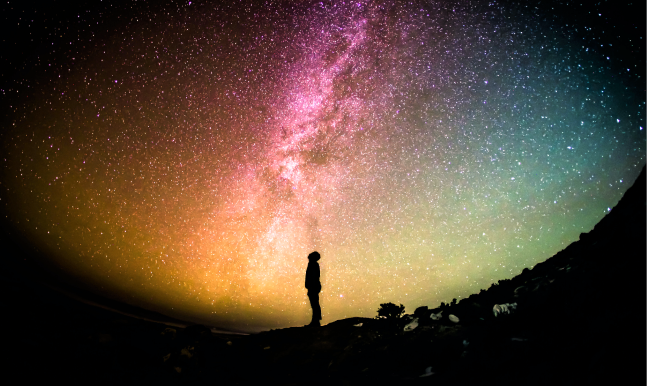
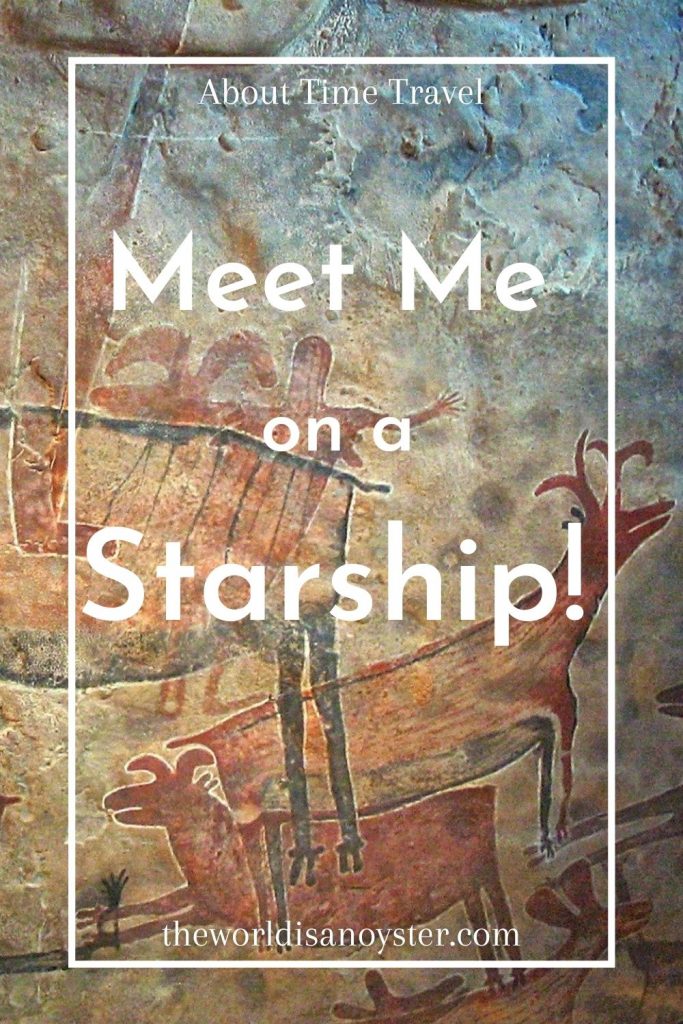
“Meet me on a starship!” my friend told me five years ago when he decided to die. He said he’d had enough; eighty-six was plenty of time spent in this world and needed some rest from it. A week later, he was gone, just like that.
It was not the first time I saw someone setting their mind on departing and succeeding; I had seen it before in old age. All seems good, and suddenly people decide enough is enough. In a few days, their bodies shut down quietly, and they pass peacefully. I was amazed at first. I thought humans had no control over it.
I never expected this from my friend, though. An octogenarian with a clear, brilliant mind. A man who changed his life after an out-of-body experience at a crossroads in his forties. A professor of English, history, maths and religion, a computer geek and a keen piano player.
He was capable of speaking about everything because he had a solid base and in-depth knowledge about the whole lot. And a curiosity about everything that always incited and made me wish to be just like him in my eighties.
I was half his age, but that was never a barrier on either side. The ease with which we started a conversation with “lovely weather yesterday; I took a long walk” and delved into metaphysics made me addicted to meeting him.
We talked heaps about what we transform into when we leave our current shape. What was before Jericho, even farther, before the last ice age? In which society has religion first become monotheistic? The meaning of the number three beyond mathematics. What entities govern the known universe. What about the other universes?
Music being mathematical precision, parallel dimensions, how bending light waves relate to time travel and so on were recurrent topics in our conversation.
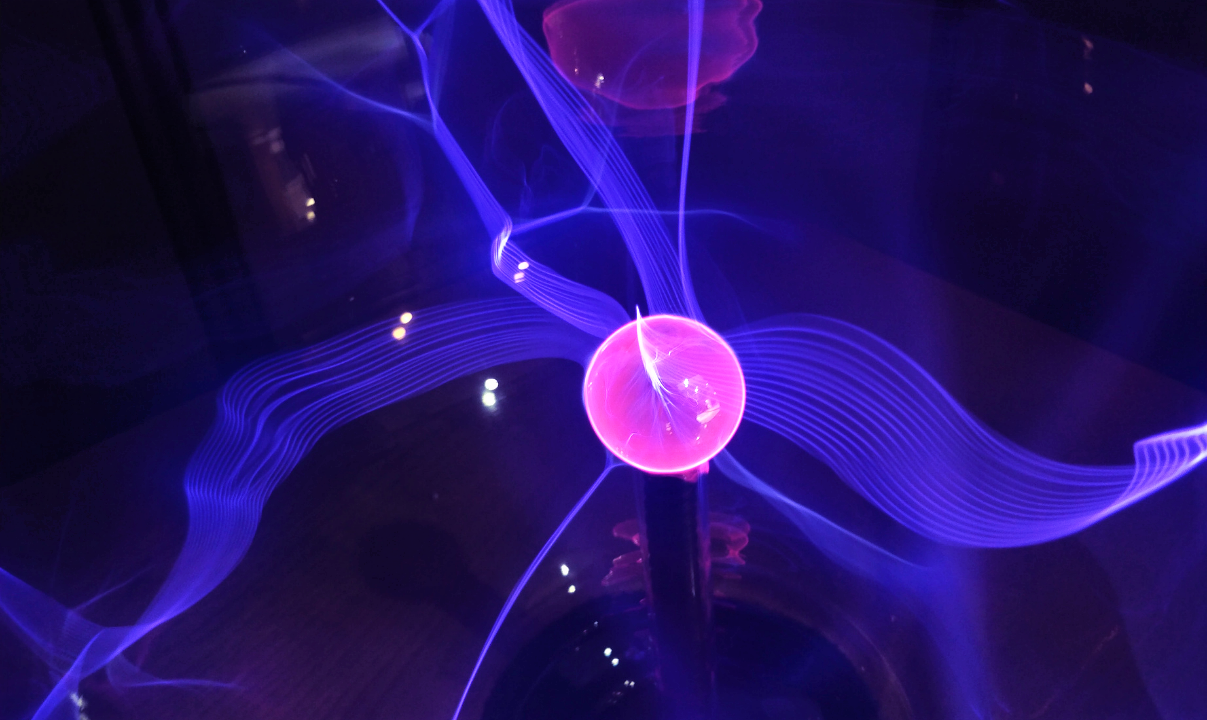
For a few years, we met quite often and always had mind-boggling dialogue. About converging spaces, parallel universes or how many universes are there; about visiting a place for the first time and knowing it well. You don’t need a map to explore it and look for specific corners, knowing that something significant happened there, only not in the current existence, since you never set foot there.
Our favourite discussion topic, close to both our hearts, was always history. We spoke at length about how it is never what they teach us in school and how it is often biased. About how wrong we are to fool ourselves that we are the most evolved society that ever existed just because we made it to the present day and have a PC on our desk!
About how so few people understand Maria Gimbutas‘ Kurgan theory that places the cradle of the current civilisation precisely on my homeland – coincidence About how only a few think farther back than a couple of thousand before our era, about the Pelasgians and Boreans. About giants. Because they are phantasmagorical characters in children’s books, right? Of course, the three-metre long skeletons discovered last century in a cave in Romania are a figment of the archaeologists’ imagination. So are the giant tombs in Sardinia!
One of us will throw a random thought and then delve into details as if the world depended on it. We would debate, for instance, that not many left detailed records of how they lost a battle, a throne or how a war or another had crushed their entire society, but all the victors embellished their wins perhaps more than needed.

Then we would appreciate all the information carved in stone for thousands of years. At least it survived until today And will still be there unless a cataclysm hits the entire planet.
Our civilisation has a great chance to disappear from the face of the earth without a trace. It suffices a collision with a big enough asteroid, and poof! Adios Google&co.
It takes a gap, a discontinuity, and all the information will be lost. Like a cassette in the ’80s: you need a cassette player to listen to it. It is a good thing that you found a dusty cassette in the attic, but who produces cassette players today? How are you going to listen to what is on it?
We don’t carve our daily lives in stone; we’ve stopped doing this for a few millennia. Not that a serious blast won’t wipe away our ancient rocks, too. For the argument’s sake, though, let’s assume history will still follow its course post any calamity (there is a great chance one will happen; as a species, we are prone to auto-destruction.)
How will others, in the distant future, be able to understand anything at all about a thriving society that was self-destroyed with no technical support to read anything. They will stare at the funny-looking tiny chips found next to skeletons (assuming they won’t melt!) that would be so ancient and meaningless!
If we meet with a catastrophic end, we will be the dinosaurs of our future species. They will only presume this and that about us and our fleeting existence on this planet. We will be their Palaeolithic!
Naturally, the next topic would be Mars and how quite possibly our planet could share a common fate. Then the Indigo Children would commonly pop up in our discussion. I will not give details here; the point is to make you curious enough to research yourself if you don’t know yet.
Deeply metaphysical conversations were always our favourite. Where have we been before, in what form? Where was our starting point, and is there a finality to it all? Where do we go when we transcend from our current existence?
We would talk extensively about how we almost lost our spirituality as a species and became highly materialised.
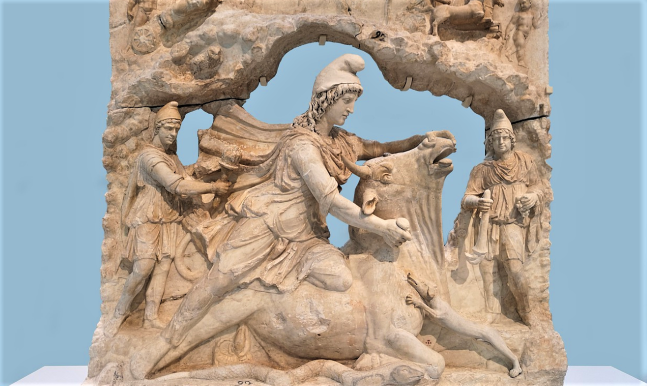
Image Denis Doukhan, Pixabay
We often spoke about the great minds that lived before their time. About how we should eternally thank Nikola Tesla for the luxury of plugging appliances in our homes today. How many remember that the man always said the electricity should be wireless and free for everybody?
We talked about the outstanding thinkers, the brilliant philosophers such as Helena Blavatsky, whose open mind delved well beyond physical entities. Isis Unveiled, my favourite book of hers, should be on the mandatory reading list in high school. The teacher in him said it would be way above average and won’t make sense to many. I still have hope for our species!
We agreed that religion, history and philosophy are intertwined, and one cannot speak of Jesus without thinking of Mithras, Zalmoxis or Apollo.
And all the books we reviewed, oh, my! There was not a single one I mentioned that he hadn’t read!
He had this gift (because he had been a teacher most of his life) to ask open-ended questions that would allow in-depth analysis, corroboration of facts and sources, and endless hours of dialogue.
He told me I was an old mind in a young body, and at his age, I’d be twice as wise as he was.
I was always sceptical about it. But I sure wish I’d be at least half as smart as him at any point in my existence!
He always said that we had undoubtedly met in another life, and I was always sure we had. We could not explain it, but we needed not to explain the obvious to us; it was just there.
He asked me where I would want to go if I could time-travel, and I replied that I would press the Prehistoric Dacia button without a second thought. Then I would like to see more of the 200,000 years of human traces on this planet of which we have no clue. And that I would not care at all about travelling to the future.
Maybe I had been there already since time is not linear anyway. And if I had, I have a nagging feeling that I was not impressed. Unfortunately, today is not a good indicator that the future will be too bright.
He laughed and said he was confident he would meet me again. Funnily enough, I had the same feeling. Not sure if somewhere in the past or the future, not that it would make any difference. We will not have a recollection of this moment, of now. But we will absolutely have again this strange feeling that we had met before.
He had a difficult time when he lost his lovely wife to dementia. I knew that he needed something to help him cope with such a tremendous blow. I had reservations; I did not want to bug him when he was hurting. But I could see that he was looking for some little purpose, for something to occupy his overactive mind.
I asked if he would proofread something I wrote. It was a historical fiction novel I published in the end.
Later, my friend admitted he was suicidal, and my manuscript gave him a lifeline. I was shocked by both facts. I made him swear that if he ever had suicidal thoughts again, he would speak with me or anybody else about it. I almost scolded him that he was about to disturb the cosmic order so severely with such an extreme gesture and pleaded with him to share any “funny” ideas he might have in the future.
And he did. One late morning, out of the blue, he said that he had had enough, and it was time for him to go. His brilliant mind resided in an old and weary body; he saw no purpose in carrying on.
So, he held my hand, reminded me to look for him, maybe on a starship, and said goodbye. It was the last time I had a conversation with him – the most painful of my life. He was saying goodbye, and there was no way I could change his mind, for as hard as I tried.
I was choking with tears, my vision was blurred, but I saw him smiling. He had a peace etched on his face that I have not seen on anybody, ever.
I told him I had this feeling hard to explain that the next time we will meet, he would be younger and wiser, and I’ll be older and bonkers.
Transcendence and its profound meaning did not make it easier for me to tolerate his absence, but I hope it made his journey intriguing. His genial mind and beautiful soul absolutely deserved it!
Until we meet again and possibly exchange thoughts about whatever experience we might have passed, I can only imagine that he met his lovely wife once more, that his soul found some peace or a nice place to land next time and wait for our ways to cross again.
There is no doubt we will have this incredibly hard to explain feeling that we know each other. Twin souls are predestined to meet over and over again, be it in whatever temporary shape, in whatever universe or maybe on a starship!
Head image: Enrique Lopex Garre, Pixabay
What Do We Know?
The post About Time Travel: Meet Me on a Starship! appeared first on The World Is an Oyster.
]]>The post What Do You Learn When You Travel Abroad? appeared first on The World Is an Oyster.
]]>Foreign Languages Proverbs – Colloquialism Or Popular Wisdom
Do you really have to speak foreign languages when you travel abroad? With today’s technology, translation is always at hand on your mobile. Although being fluent in all the languages of all the countries you are visiting would make you a candidate for the Nobel Price nomination!
This post may contain affiliate links, which means I will receive a commission if you purchase through my links at no extra cost to you. Please read the full disclosure for more information. Thank you!
But what do you learn when you travel abroad, really? In preparation, you might do some research about the place you decided to visit. About the country, in general, the regions you intend to see, cities, villages, beaches, mountains. You check flights and accommodation deals, possibly car rentals. What is the weather like? What should you see and do in the place(s) you plan to visit?
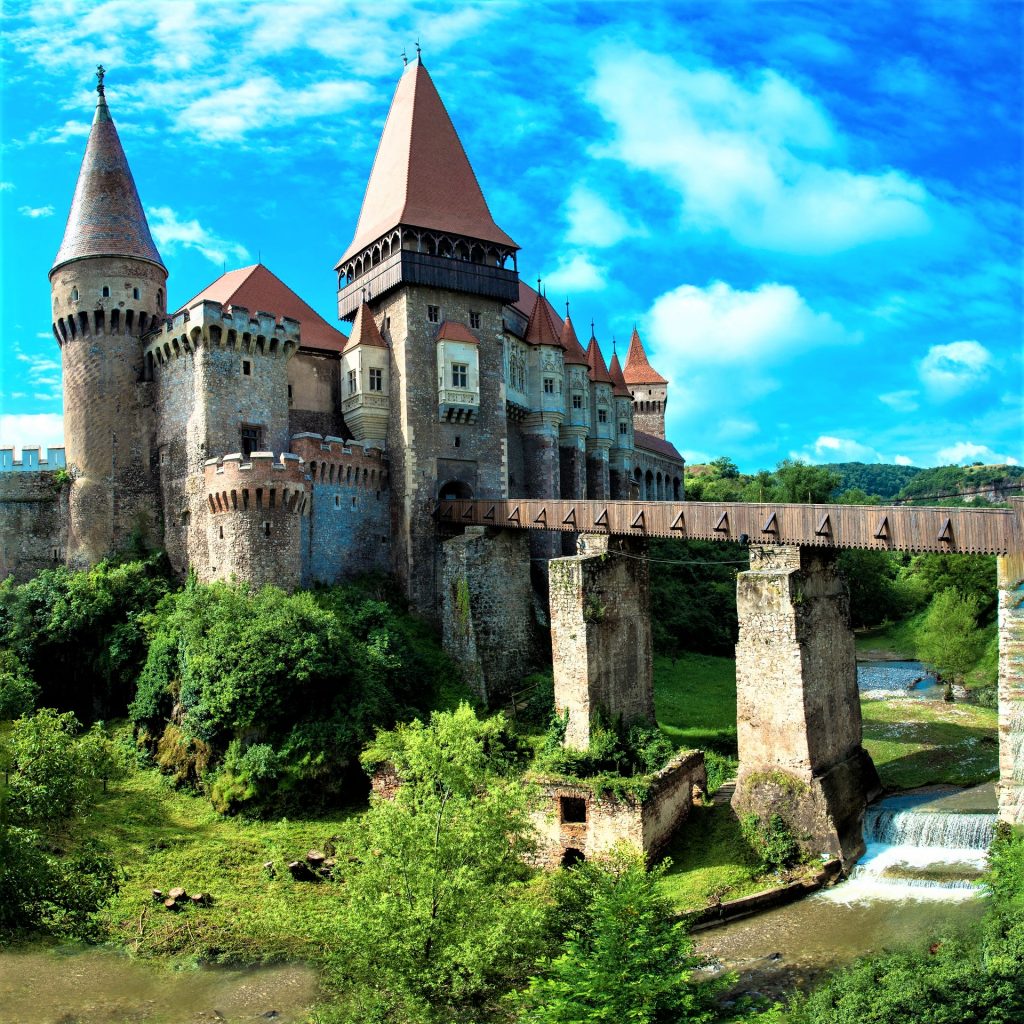
The Huniade Castle, Western Romania
You might read a bit about the local history, geography, culture. Indeed, you will do some research about food and drinks, nightlife, museum opening hours, local currency and exchange rate. The list does not end here.
Thanks to the beautiful community of travel bloggers and price comparison sites, it has become easy to plan the perfect holiday.
So, now you have everything prepared and a few days left until you’ll start packing, you might want to learn a few words in a foreign language that could come in handy as you step out of the airport terminal at your destination. Such as greetings, please and thank you, how much, check, my name is, what’s yours etc.
It is only polite to show a bit of consideration. The locals know that you are a visitor and appreciate your effort. It is something you will observe and enjoy as a tourist.
I wonder how much thought you would give to the popular wisdom of a nation before visiting. To their proverbs or sayings. Something you will not master even after you return home but can make you laugh and help induce a more carefree, holiday state of mind even as you’re reading now.
Not to mention that it is likely to hear one or two at your destination.
Imagine that feeling when you get the meaning of the saying. See the smile of the local you are speaking with broadening. And the satisfaction that, although you can barely articulate a few words in the local language, you can still communicate effectively – you ARE actually speaking a foreign language! Priceless!
If you chose Romania as your destination, you would discover extraordinary diversity, breath-taking scenery, hospitality and generosity as you’ll rarely find, foods you will fall in love with and remember for a long time and cheap, quality drinks. You would also hear things that will baffle you when translated into English.
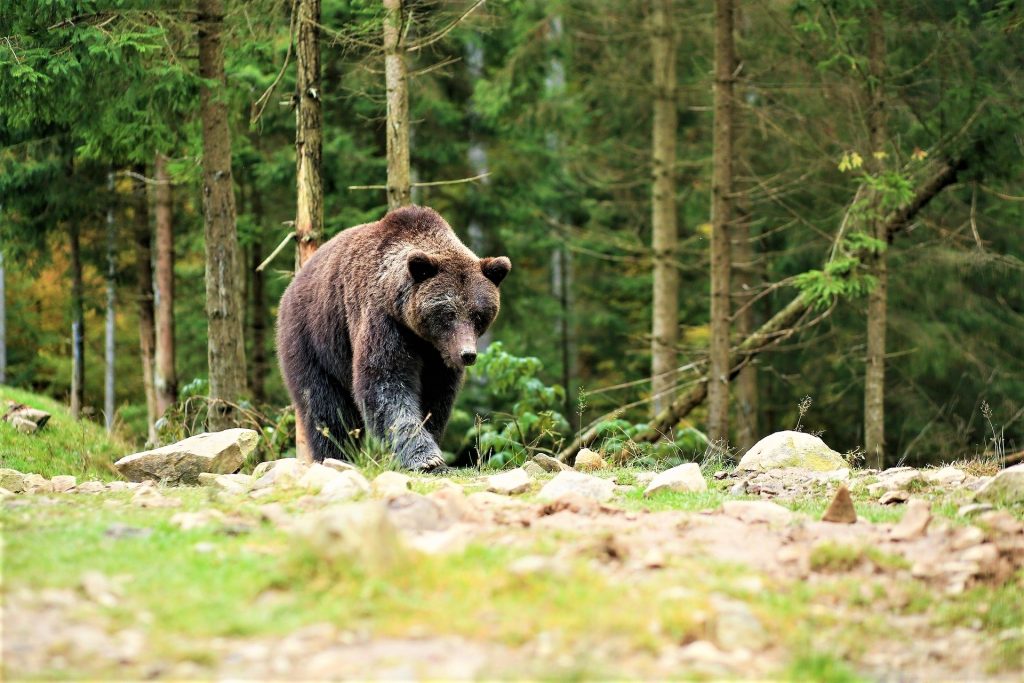
Romanian is an ancient language, spoken since times immemorial by the Dacian people, as Romanians were called in the old times. That means before the Romans became desperate to expand their empire towards the dawn of their civilisation and crossed the Danube to occupy southern Dacia.
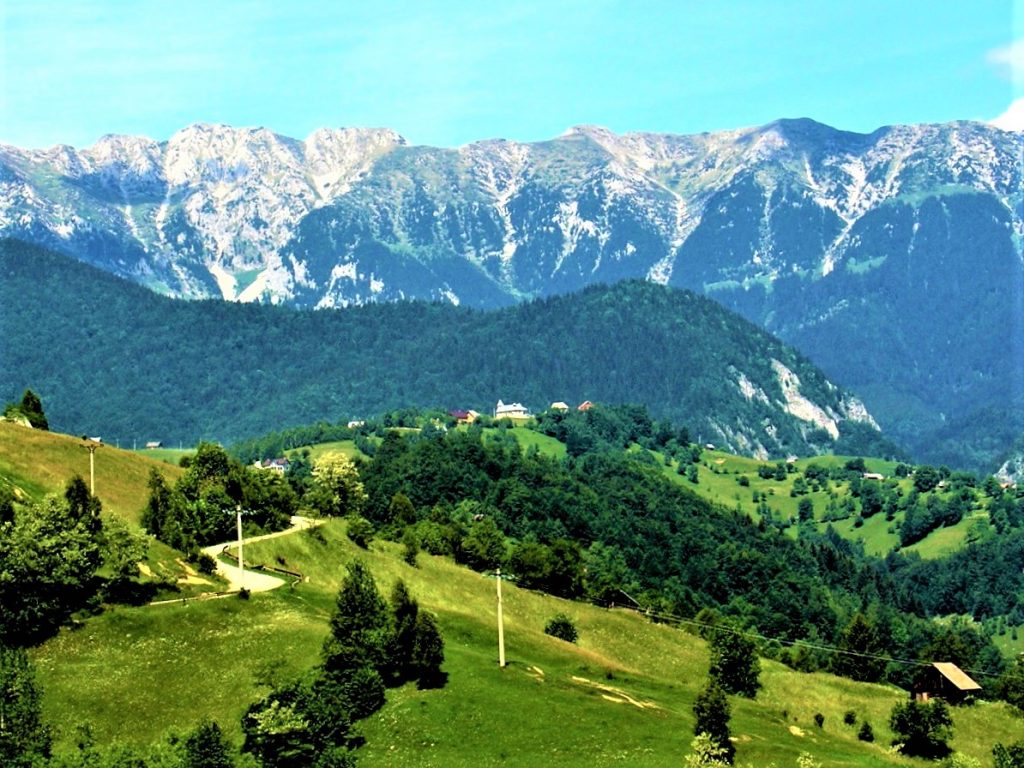
It would be useless to argue over how Romanian was born; there is too much debate about the subject as it is. The thing is, no language was ever created overnight.
One conqueror or another might have occupied parts of the country for some time; some words might have suffered influences, new ones were borrowed. In essence, Romanian has remained the same language spoken in this area for many thousands of years.
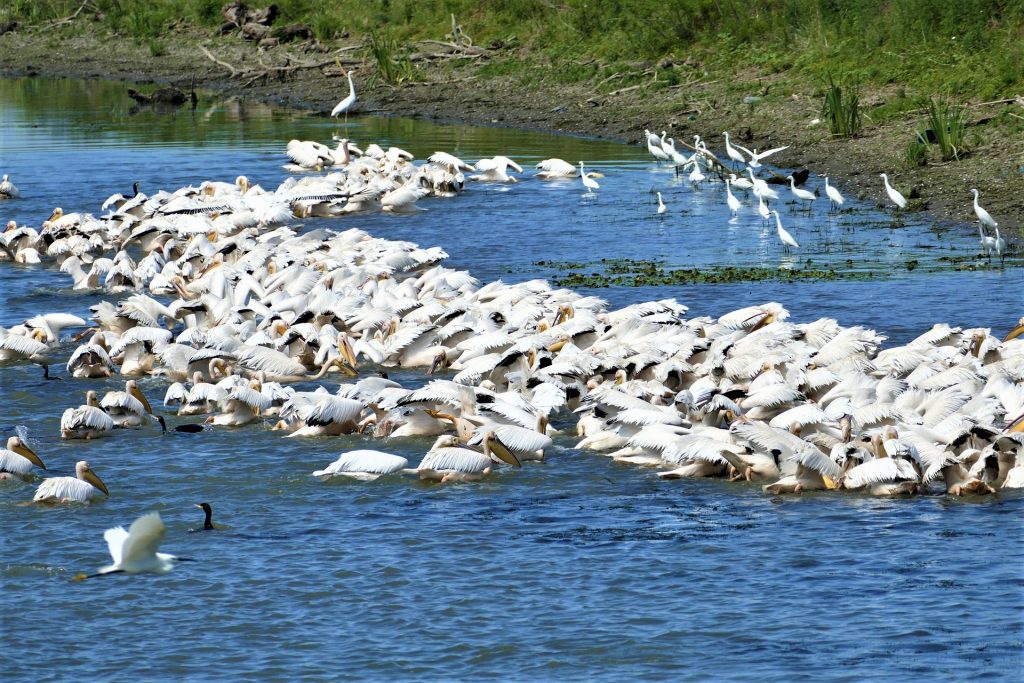
It might be the reason why Romanian is a unitary language without dialects, spoken in the exact same way by all the inhabitants of all the historical regions of the country. The accent might vary, after all, Brummies and Scots or Texans and New Yorkers have their own pronunciation as well, you get the idea.
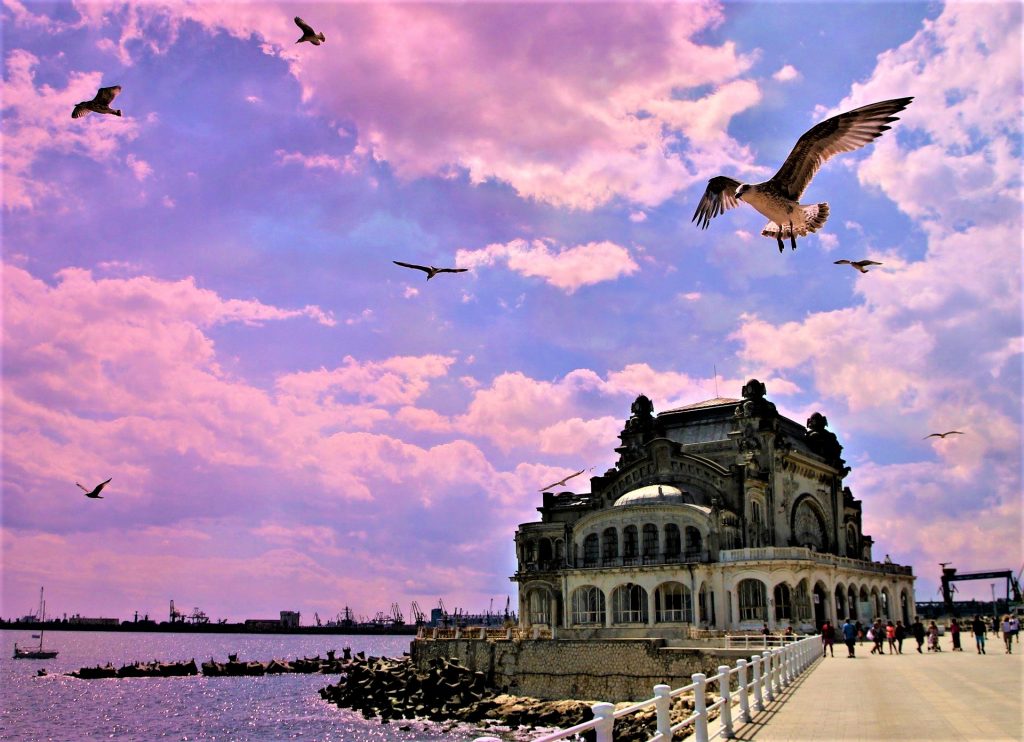
In time, of course, Romanian evolved, like any other modern tongue. Even more in the most recent times, when a lot of slang found its way into the language.
Being a vibrant and colourful language and the Romanians a highly inventive, humorous and slightly mocking people, the proverbs followed the trend. They absorbed the creativity of the nation, becoming funny beyond wise.
So, let’s talk about modern Romanian proverbs. Not because I am a native and I get them, but because when translated into English, they sound hilarious.
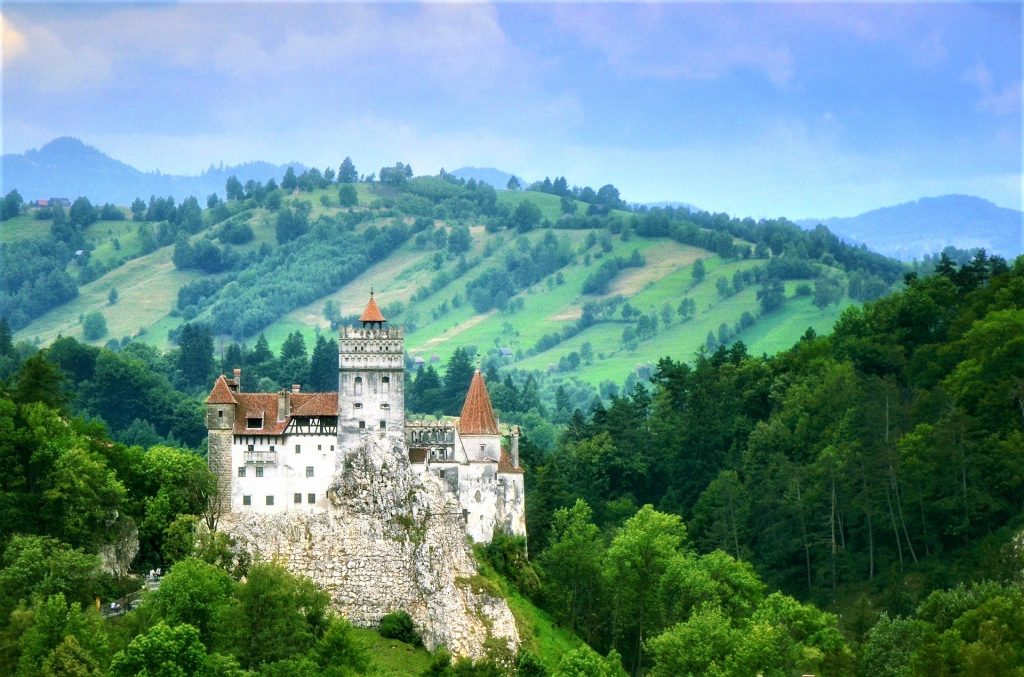
Let’s say you speak with a local and insist something is what you say it is. You won’t give up and push it to the point of driving the local nuts. The Romanian could reply a tad exasperated that you take them out of the watermelons (mă scoți din pepeni!)
Nuts, watermelon, both foods, same meaning, right? Just keep in mind that you driving (as in driving a car) them nuts (squirrel’s favourite foods) makes just as much sense to them as their watermelons to you!
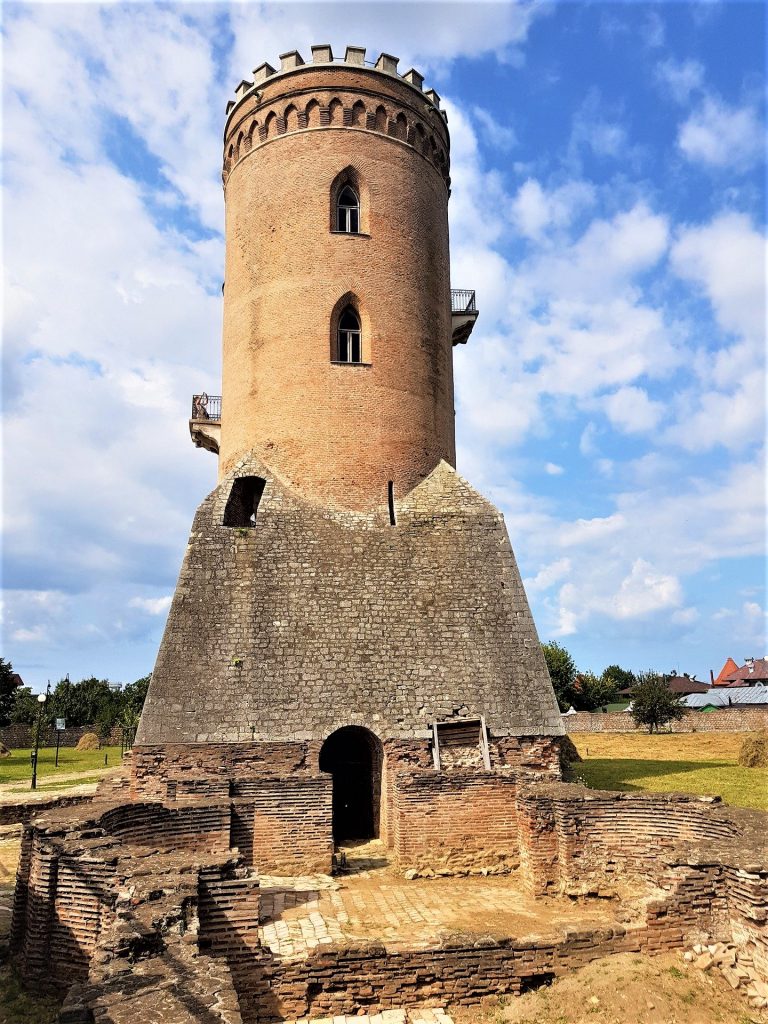
Maybe it’s time you dropped the argument before they will lose their temper, or their mustard will jump off (îi sare muștarul). You are on holiday; conflict is the last thing you need!
Relax, the Romanians are way too hospitable. They would rather settle with a tasty traditional meal and glass of wine or țuică, a famous Romanian brandy made out of pears or plums. You will have to annoy them badly to get them to beat you until your flakes start flying (te bat de-ți zboară fulgii!)
I insist, Romanians love tourists, they want you to appreciate the splendour of the country, they won’t beat you! That’s cool; you’d think, sighing relieved. They would say it is concrete (e beton!)
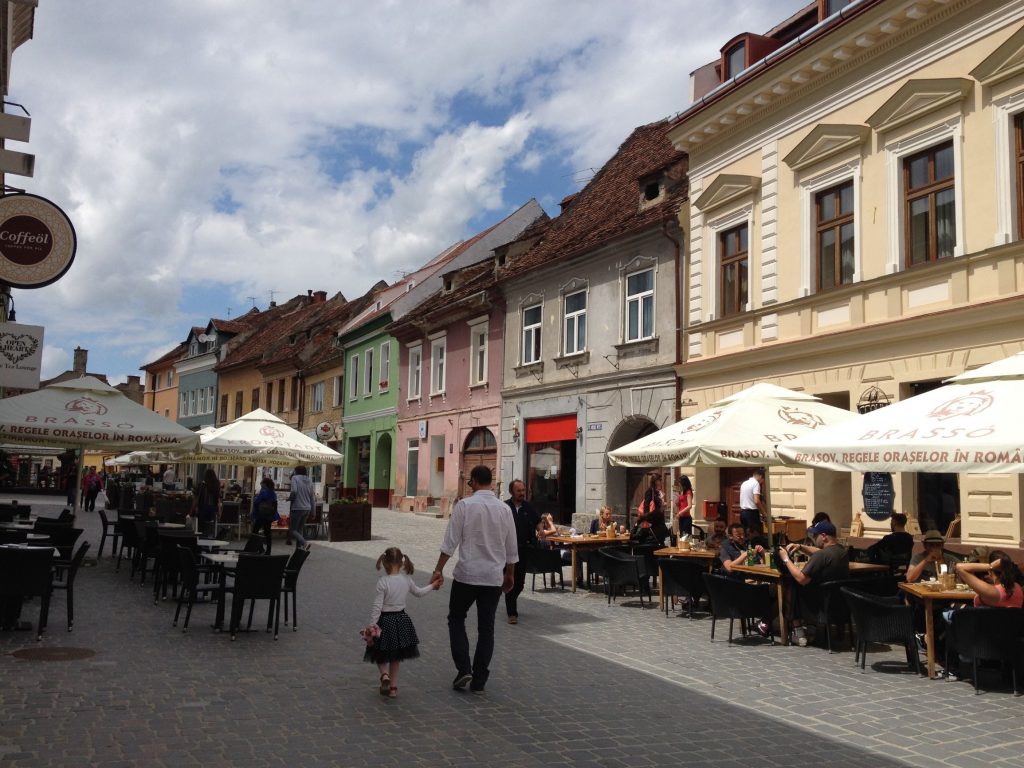
As you follow your plan (or improvise) and travel around the country, you will see scenery that will take your breath away. So much beauty might surprise you, to say the least. But don’t be surprised if a local will proudly proclaim that your face fell off (ți-a căzut fața) when you saw this or that of incommensurable beauty!
No need to check, your face is still there, where it has always been. Your Romanian is only pleased that their country has something to show that took your breath away.
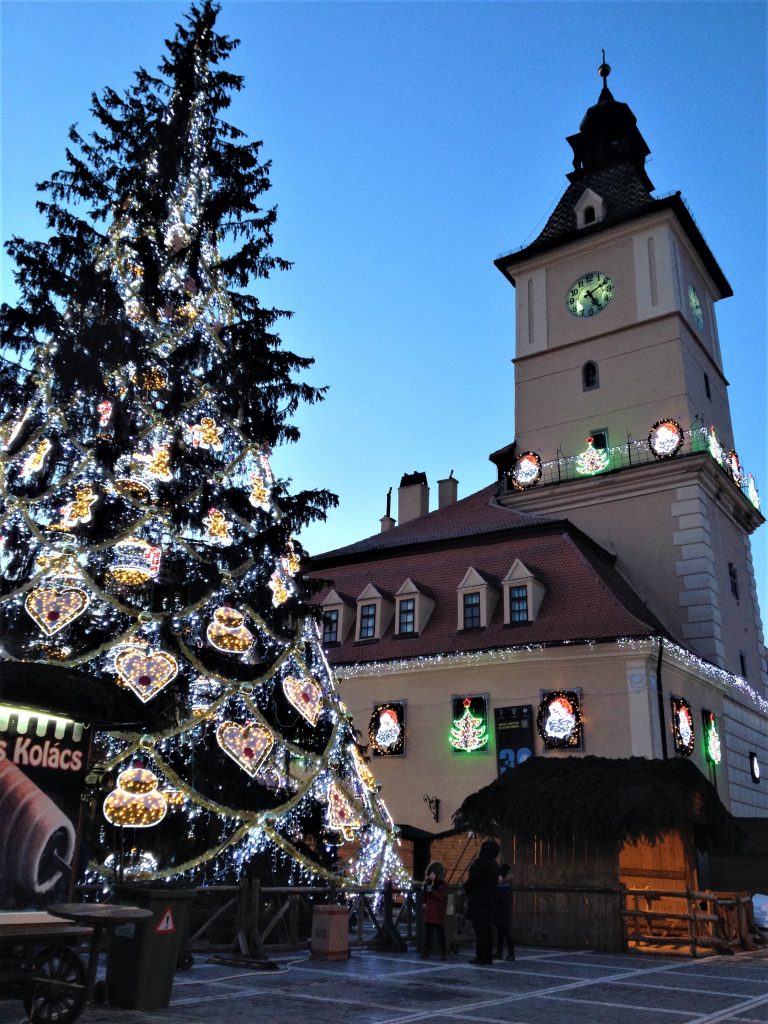
As there is beauty at every turn, you might slow your pace. You want time to imprint the images deep in your memory and take a million pictures. But the local knows there is a lot more to see and they feel they must show it all to you, so they might get a bit annoyed that you’re wasting time. To them, it would seem as you’re rubbing the mint (freci menta!)
Don’t worry; you won’t have to prepare any herbal infusions! Besides, you own your time, and you are on holiday, so you can dillydally all you want. Now explain dillydally to your Romanian host! Argh, foreign languages!
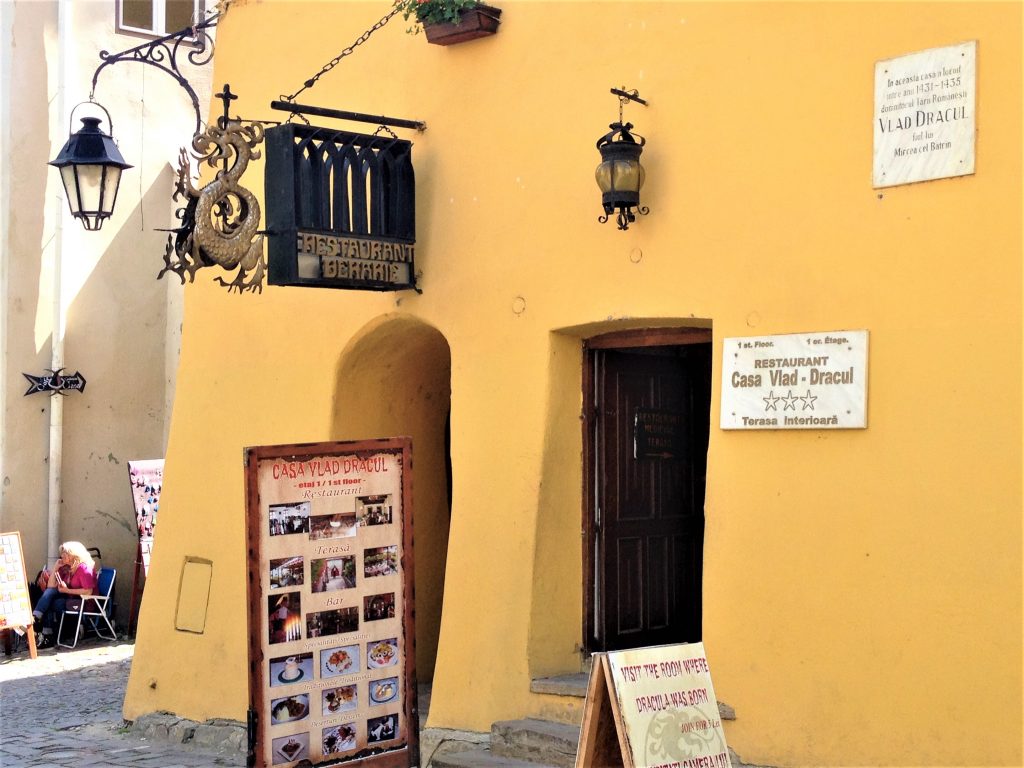
If something confuses you, you might be staring like a turkey hen at the boughs (te holbezi ca curca’n crăci!)
Do not despair; you‘ll get it, eventually. When your coin will drop (îți pică fisa).
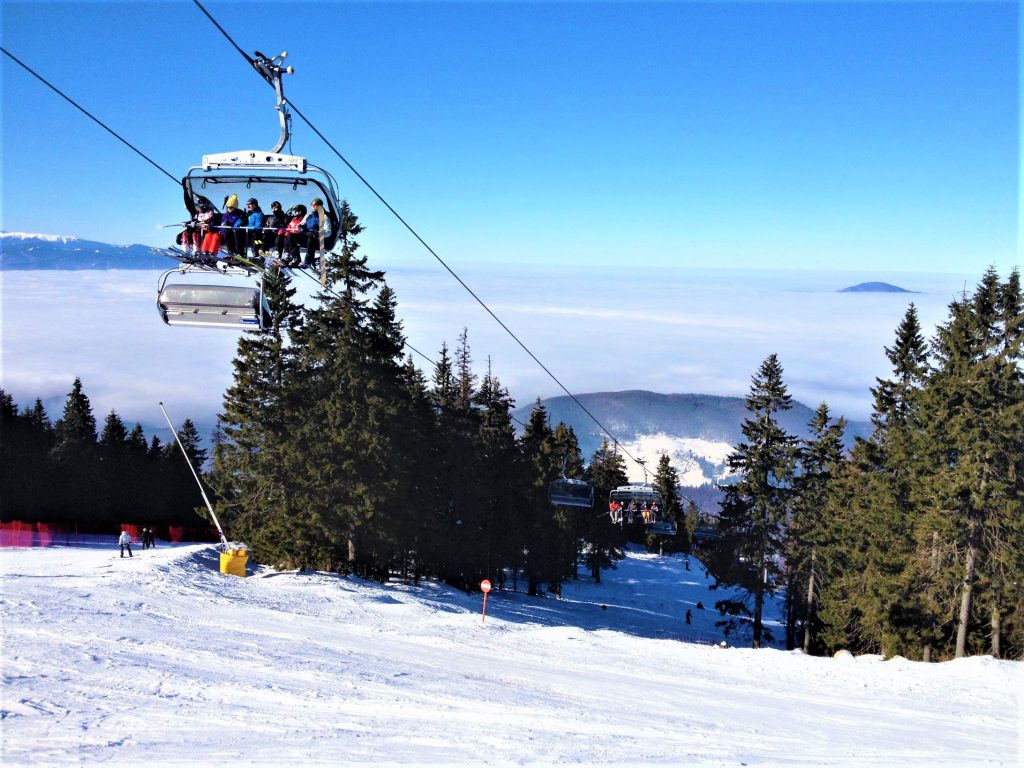
Try, if you can, not to do anything crazy, in general, while travelling. To a Romanian, it will be a clear sign you are gone on a raft (ești dus cu pluta!)
It is also sound advice not to do anything wrong or throw your boggers into the beans (să dai cu mucii în fasole). It will forever destroy your reputation as a respectable person.
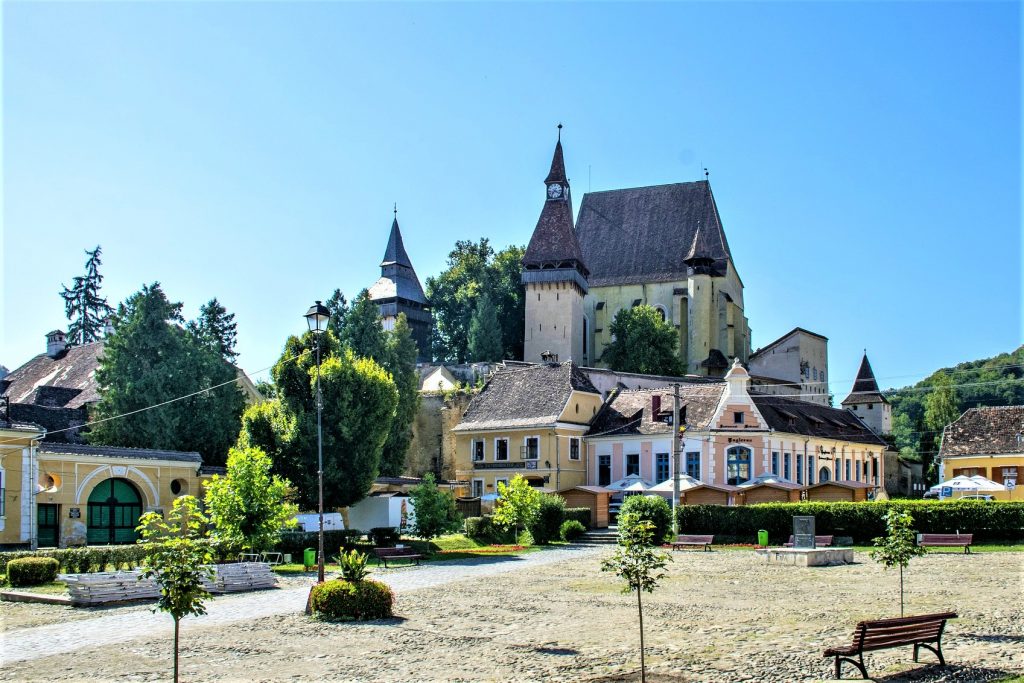
After so much sightseeing and exploring, you will drop dead, enriched, but over exhausted. You’d be cabbage, actually (ești varză!)
You would also be cabbage (no indefinite article) if you didn’t find your passport before your flight back home because you are a bit messy.
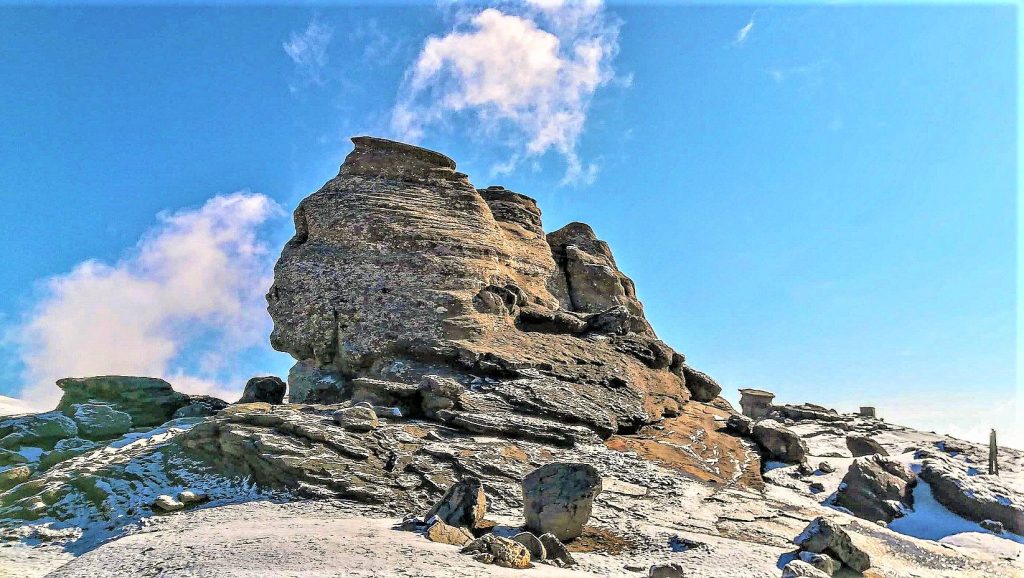
Don’t stress too much; the passport will show up. Unwind and, since it is your last night in the country, you should have a drink with your new friend for life.
If you observe that this person drinks a lot, you might wonder why nobody warned you that they were a drunkard.
Well, one or two of their friends might have mentioned that they were a blotting paper (e sugativă), but you didn’t quite catch it!
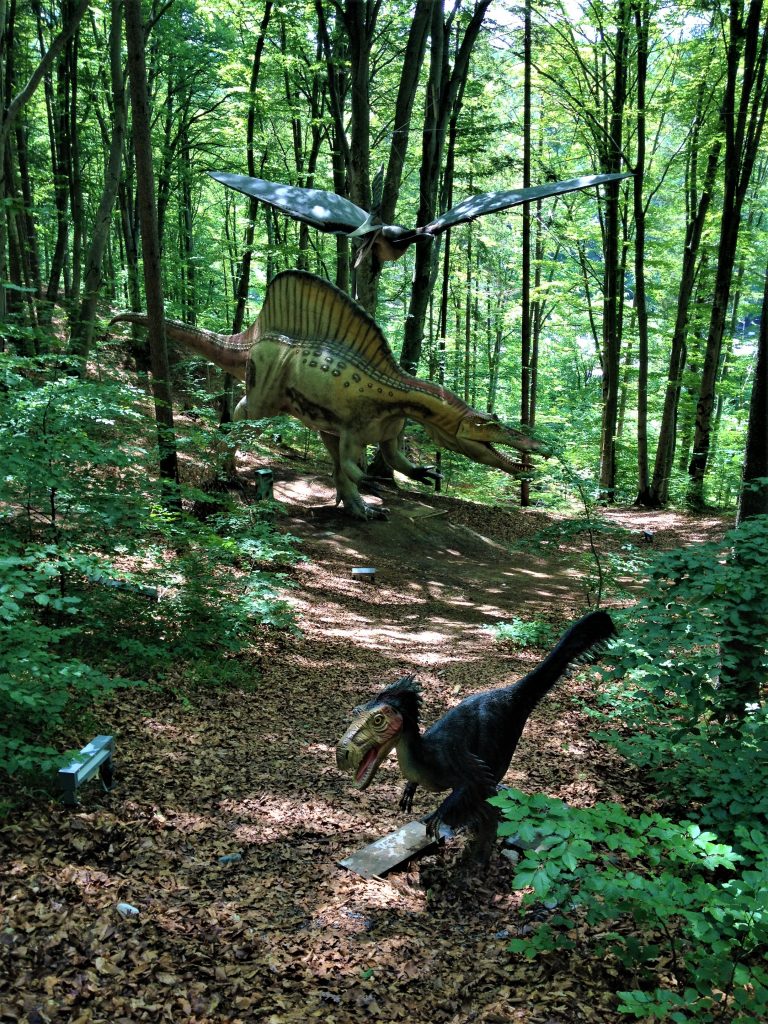
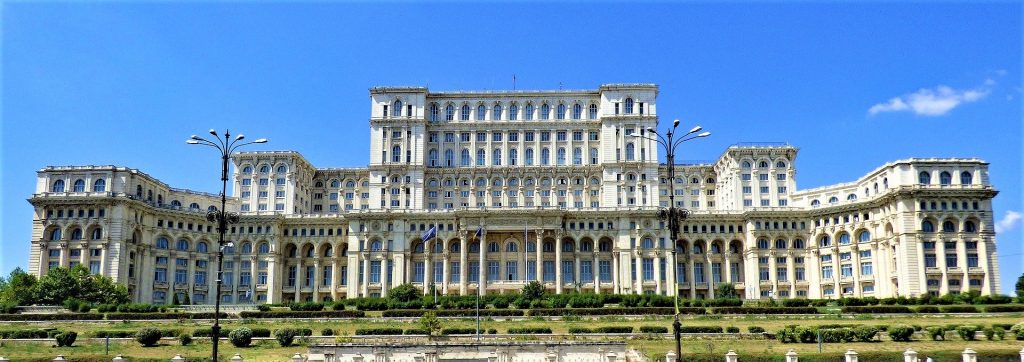
The Romanian wisdom doesn’t end here, but I would like to hear from you now. Which one did you find funnier/more bonkers? And what other crazy things have you heard in your travels? Where? In what language? And do you really learn a foreign language before or during your travels? I would love to learn about your adventures!
I hope you enjoyed reading it! Please share the love by saving this pin to your travel or learning languages boards; it will help this blog grow and motivate me to write more for your enjoyment! Thank you!
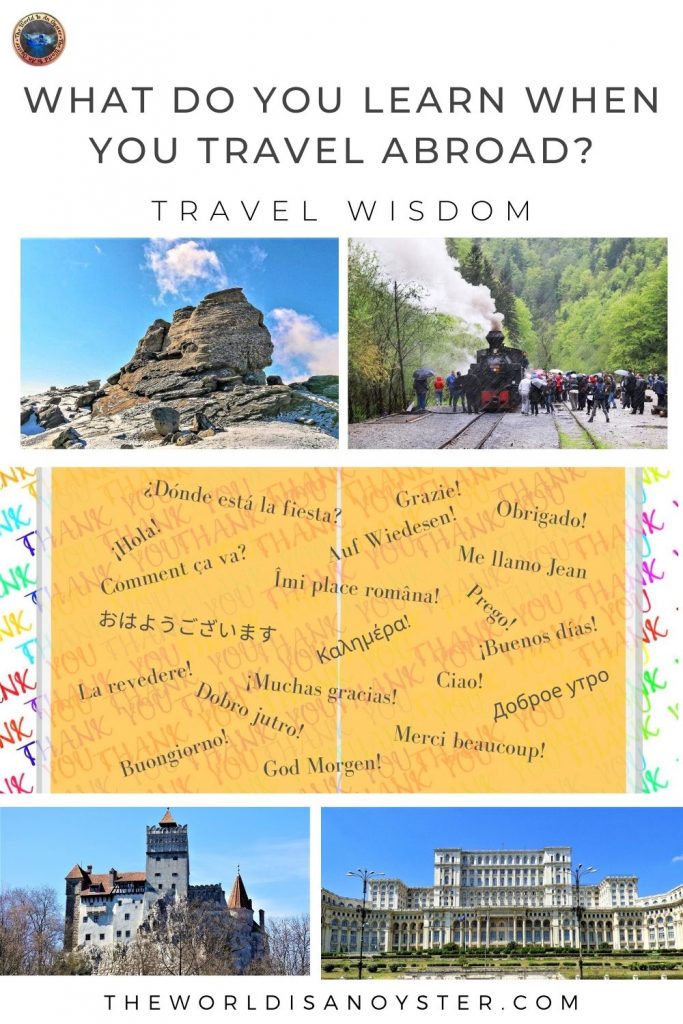
Foreign Languages Proverbs – Colloquialism Or Popular Wisdom
The post What Do You Learn When You Travel Abroad? appeared first on The World Is an Oyster.
]]>