The post What Do You Learn When You Travel Abroad? appeared first on The World Is an Oyster.
]]>Foreign Languages Proverbs – Colloquialism Or Popular Wisdom
Do you really have to speak foreign languages when you travel abroad? With today’s technology, translation is always at hand on your mobile. Although being fluent in all the languages of all the countries you are visiting would make you a candidate for the Nobel Price nomination!
This post may contain affiliate links, which means I will receive a commission if you purchase through my links at no extra cost to you. Please read the full disclosure for more information. Thank you!
But what do you learn when you travel abroad, really? In preparation, you might do some research about the place you decided to visit. About the country, in general, the regions you intend to see, cities, villages, beaches, mountains. You check flights and accommodation deals, possibly car rentals. What is the weather like? What should you see and do in the place(s) you plan to visit?
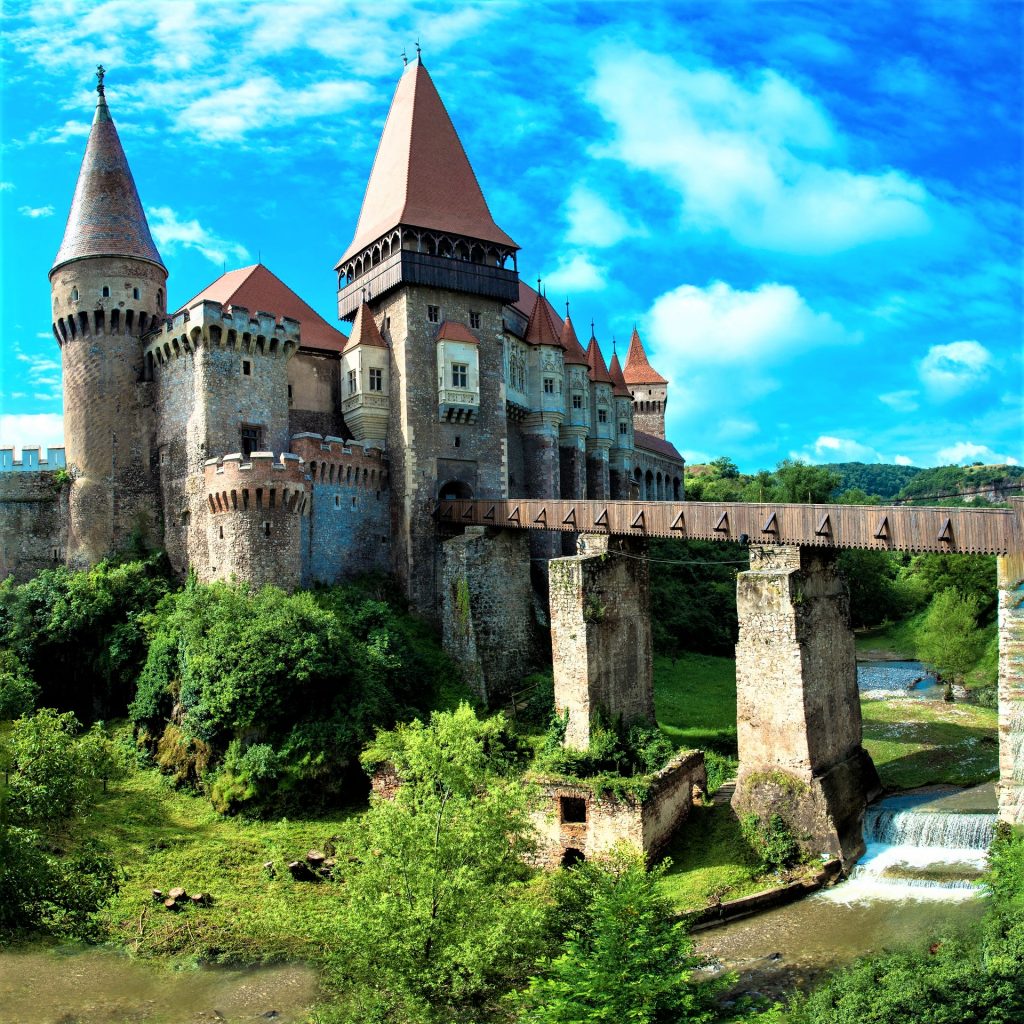
The Huniade Castle, Western Romania
You might read a bit about the local history, geography, culture. Indeed, you will do some research about food and drinks, nightlife, museum opening hours, local currency and exchange rate. The list does not end here.
Thanks to the beautiful community of travel bloggers and price comparison sites, it has become easy to plan the perfect holiday.
So, now you have everything prepared and a few days left until you’ll start packing, you might want to learn a few words in a foreign language that could come in handy as you step out of the airport terminal at your destination. Such as greetings, please and thank you, how much, check, my name is, what’s yours etc.
It is only polite to show a bit of consideration. The locals know that you are a visitor and appreciate your effort. It is something you will observe and enjoy as a tourist.
I wonder how much thought you would give to the popular wisdom of a nation before visiting. To their proverbs or sayings. Something you will not master even after you return home but can make you laugh and help induce a more carefree, holiday state of mind even as you’re reading now.
Not to mention that it is likely to hear one or two at your destination.
Imagine that feeling when you get the meaning of the saying. See the smile of the local you are speaking with broadening. And the satisfaction that, although you can barely articulate a few words in the local language, you can still communicate effectively – you ARE actually speaking a foreign language! Priceless!
If you chose Romania as your destination, you would discover extraordinary diversity, breath-taking scenery, hospitality and generosity as you’ll rarely find, foods you will fall in love with and remember for a long time and cheap, quality drinks. You would also hear things that will baffle you when translated into English.
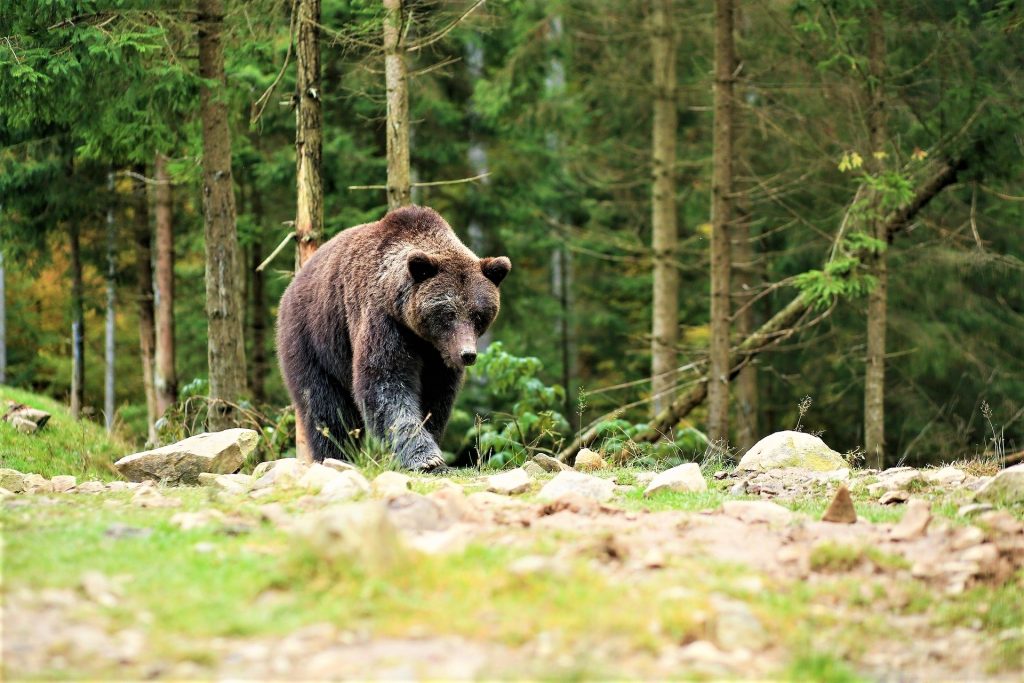
Romanian is an ancient language, spoken since times immemorial by the Dacian people, as Romanians were called in the old times. That means before the Romans became desperate to expand their empire towards the dawn of their civilisation and crossed the Danube to occupy southern Dacia.
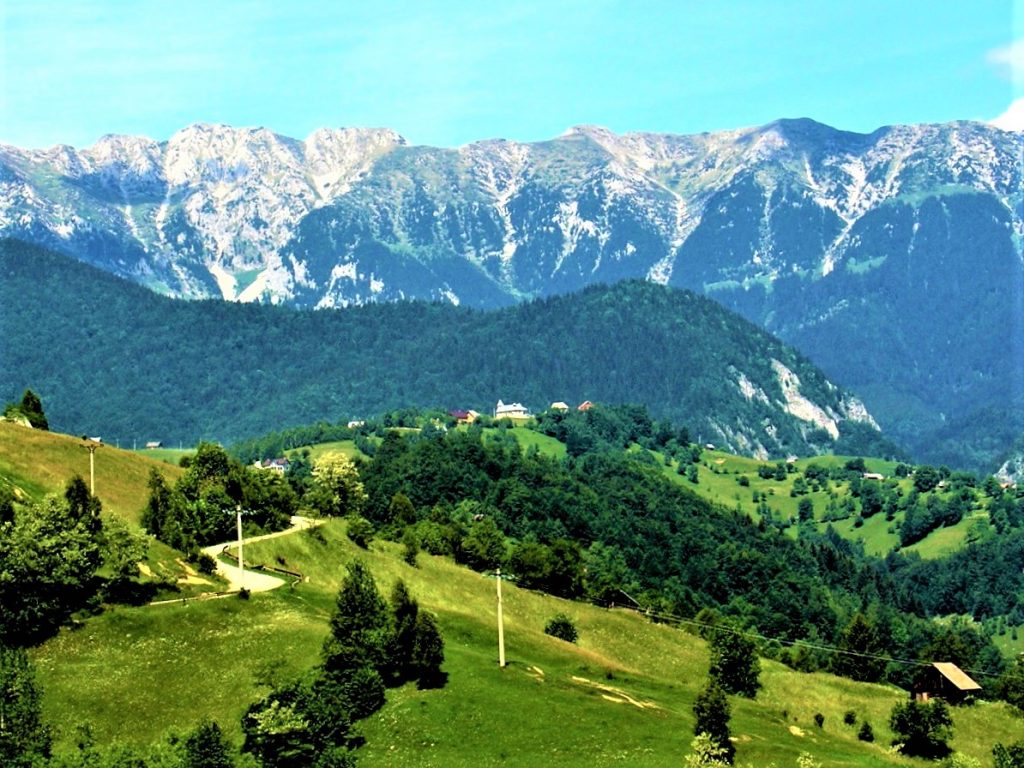
It would be useless to argue over how Romanian was born; there is too much debate about the subject as it is. The thing is, no language was ever created overnight.
One conqueror or another might have occupied parts of the country for some time; some words might have suffered influences, new ones were borrowed. In essence, Romanian has remained the same language spoken in this area for many thousands of years.
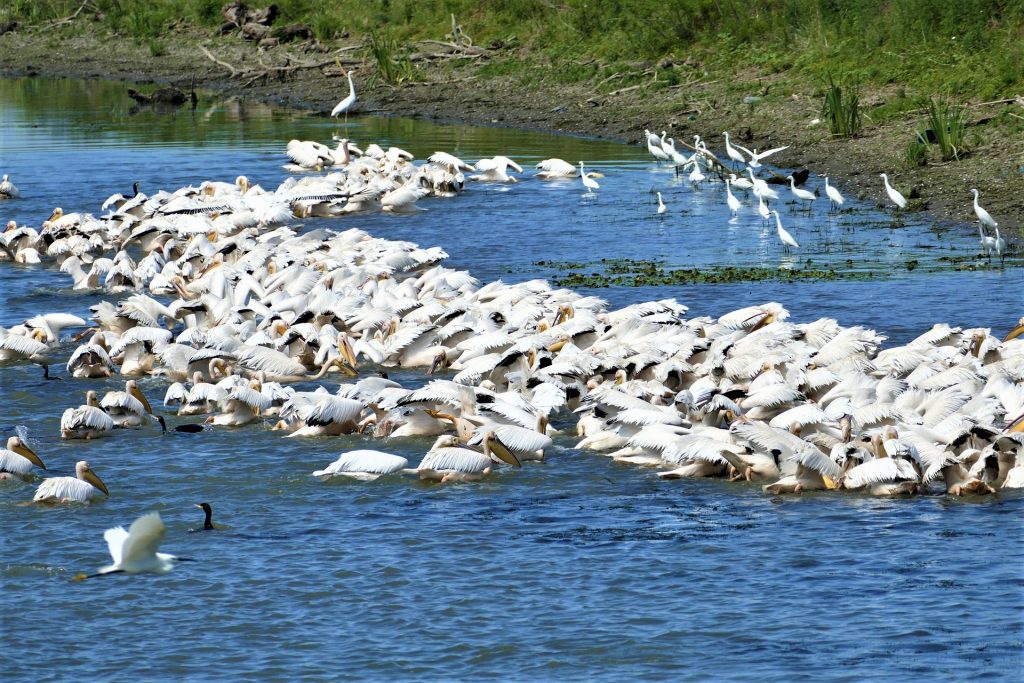
It might be the reason why Romanian is a unitary language without dialects, spoken in the exact same way by all the inhabitants of all the historical regions of the country. The accent might vary, after all, Brummies and Scots or Texans and New Yorkers have their own pronunciation as well, you get the idea.
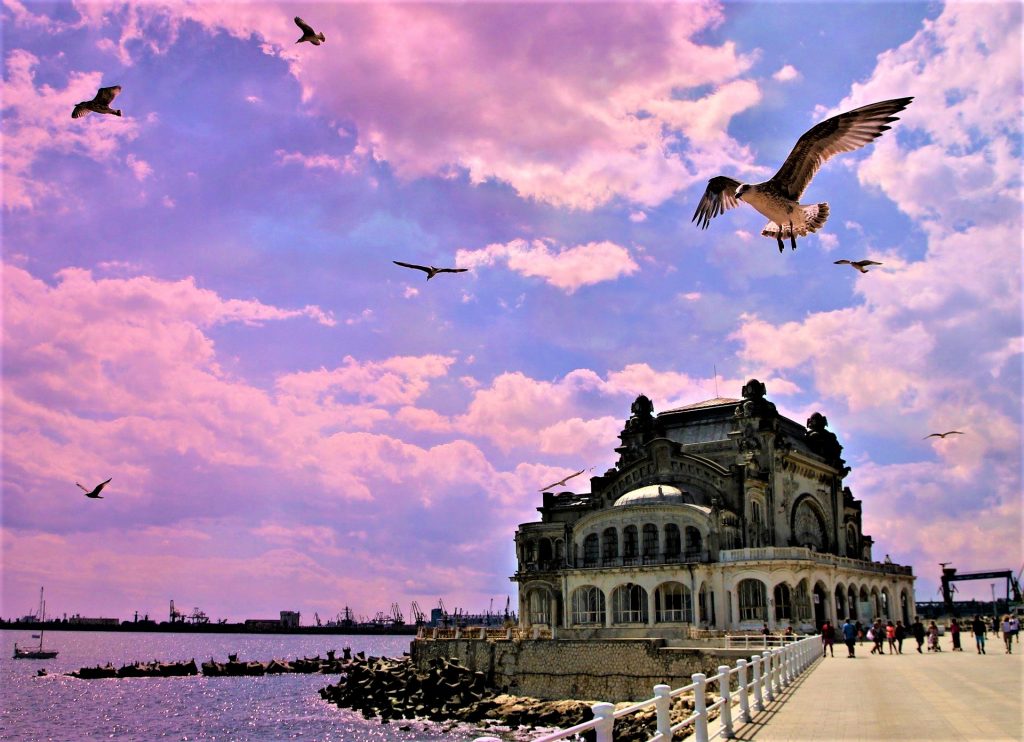
In time, of course, Romanian evolved, like any other modern tongue. Even more in the most recent times, when a lot of slang found its way into the language.
Being a vibrant and colourful language and the Romanians a highly inventive, humorous and slightly mocking people, the proverbs followed the trend. They absorbed the creativity of the nation, becoming funny beyond wise.
So, let’s talk about modern Romanian proverbs. Not because I am a native and I get them, but because when translated into English, they sound hilarious.
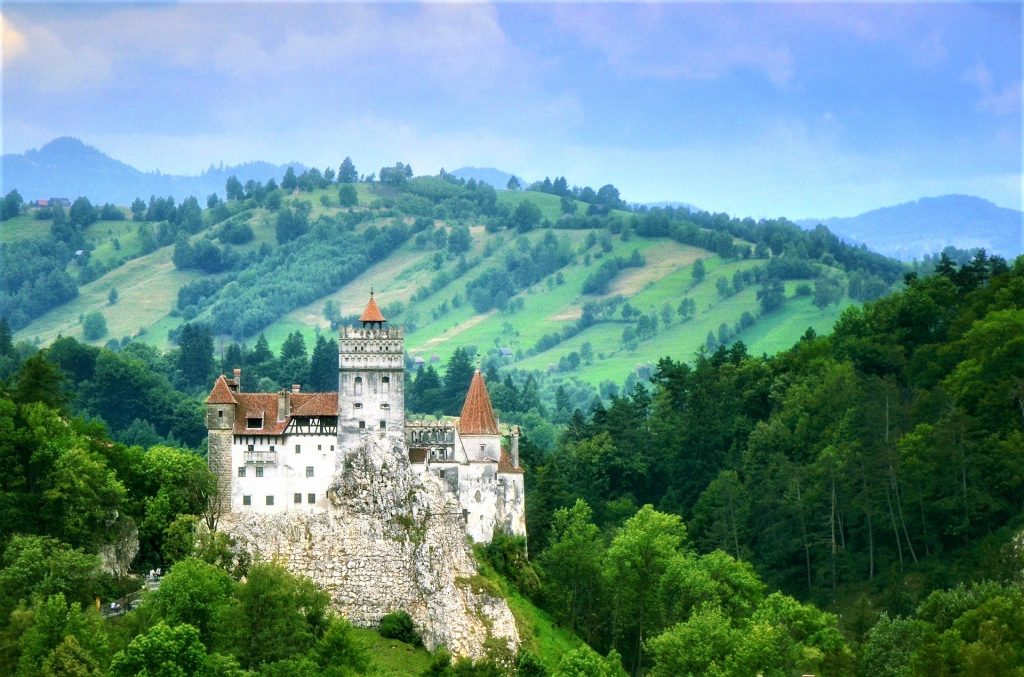
Let’s say you speak with a local and insist something is what you say it is. You won’t give up and push it to the point of driving the local nuts. The Romanian could reply a tad exasperated that you take them out of the watermelons (mă scoți din pepeni!)
Nuts, watermelon, both foods, same meaning, right? Just keep in mind that you driving (as in driving a car) them nuts (squirrel’s favourite foods) makes just as much sense to them as their watermelons to you!
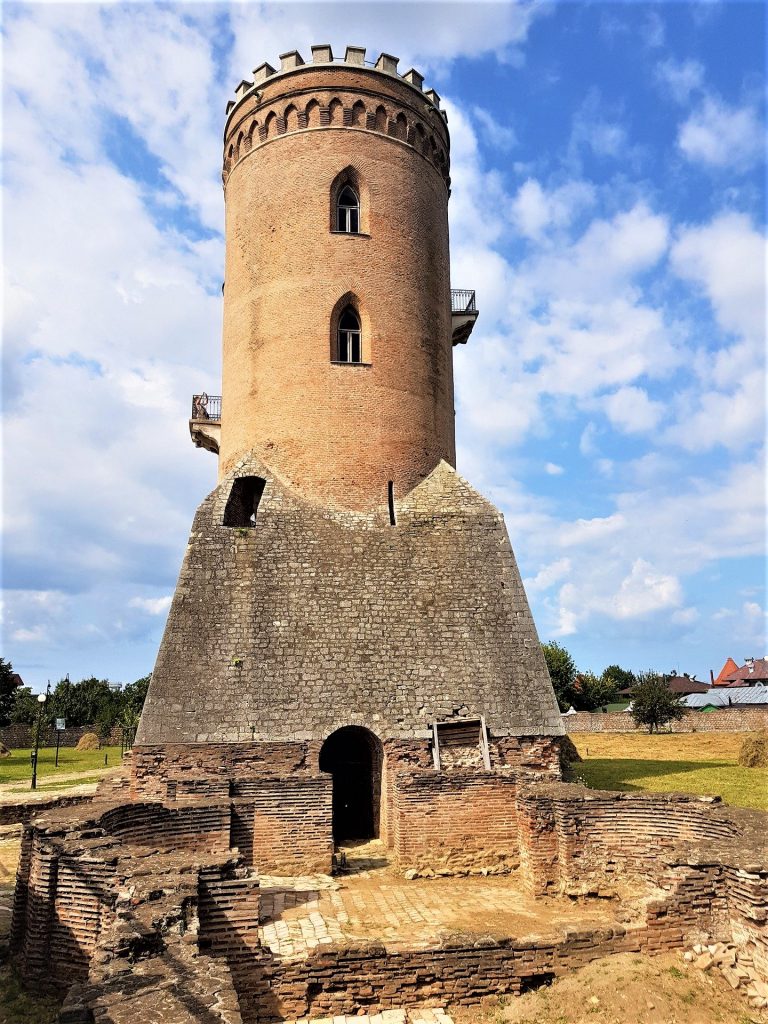
Maybe it’s time you dropped the argument before they will lose their temper, or their mustard will jump off (îi sare muștarul). You are on holiday; conflict is the last thing you need!
Relax, the Romanians are way too hospitable. They would rather settle with a tasty traditional meal and glass of wine or țuică, a famous Romanian brandy made out of pears or plums. You will have to annoy them badly to get them to beat you until your flakes start flying (te bat de-ți zboară fulgii!)
I insist, Romanians love tourists, they want you to appreciate the splendour of the country, they won’t beat you! That’s cool; you’d think, sighing relieved. They would say it is concrete (e beton!)
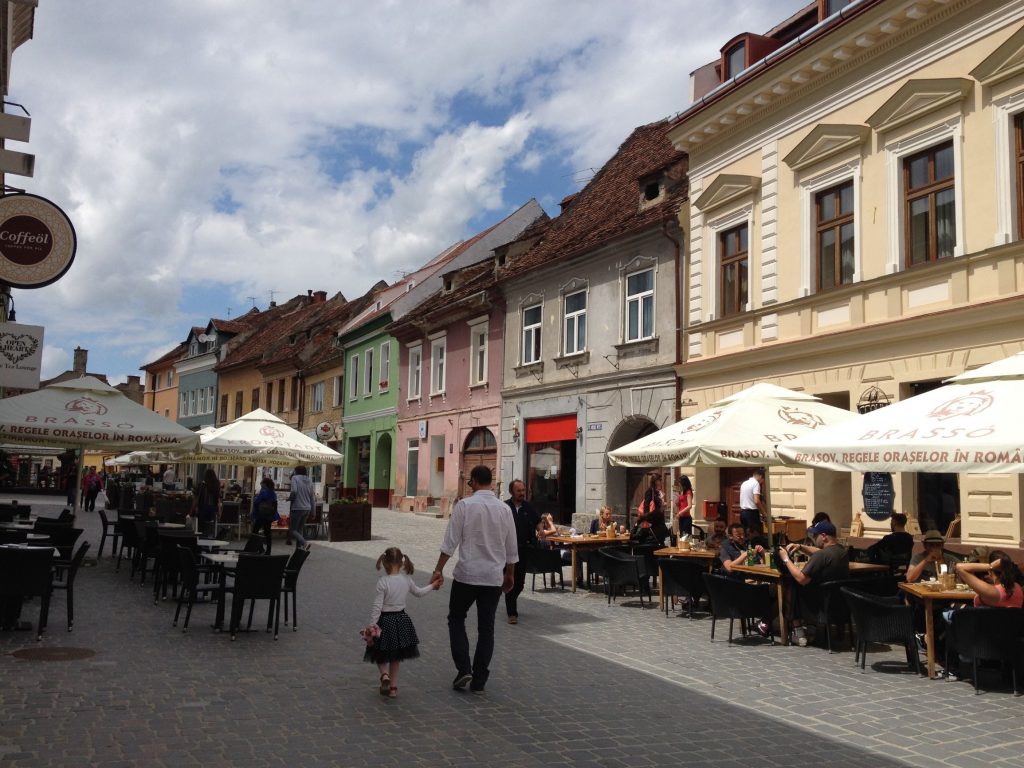
As you follow your plan (or improvise) and travel around the country, you will see scenery that will take your breath away. So much beauty might surprise you, to say the least. But don’t be surprised if a local will proudly proclaim that your face fell off (ți-a căzut fața) when you saw this or that of incommensurable beauty!
No need to check, your face is still there, where it has always been. Your Romanian is only pleased that their country has something to show that took your breath away.
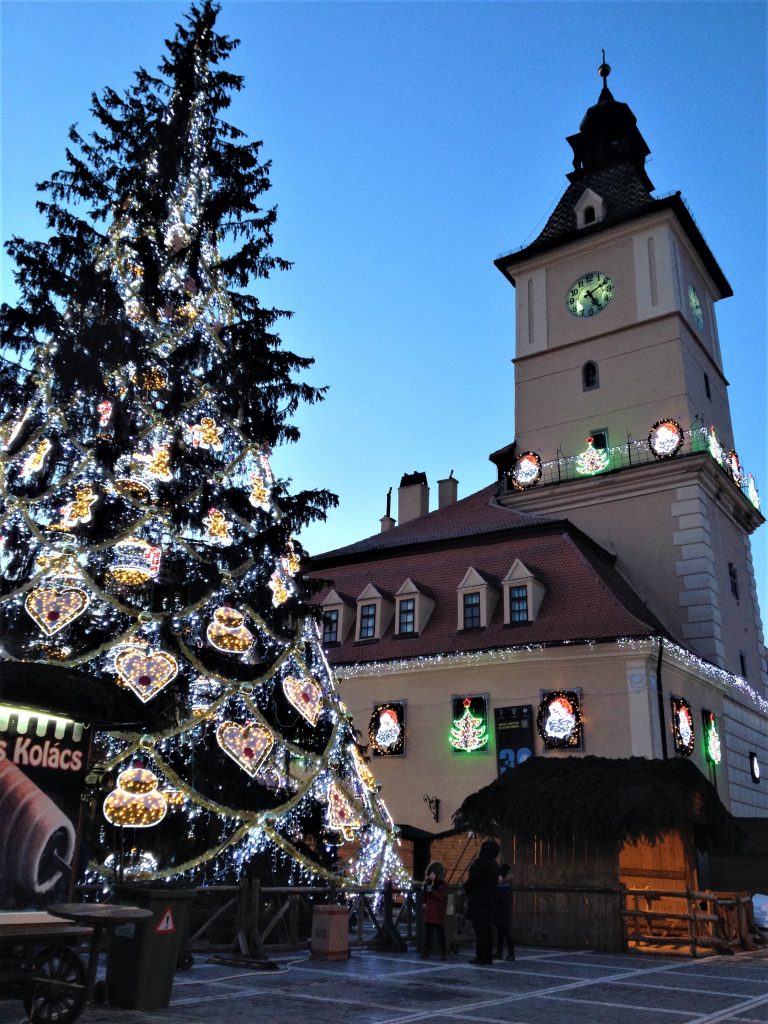
As there is beauty at every turn, you might slow your pace. You want time to imprint the images deep in your memory and take a million pictures. But the local knows there is a lot more to see and they feel they must show it all to you, so they might get a bit annoyed that you’re wasting time. To them, it would seem as you’re rubbing the mint (freci menta!)
Don’t worry; you won’t have to prepare any herbal infusions! Besides, you own your time, and you are on holiday, so you can dillydally all you want. Now explain dillydally to your Romanian host! Argh, foreign languages!
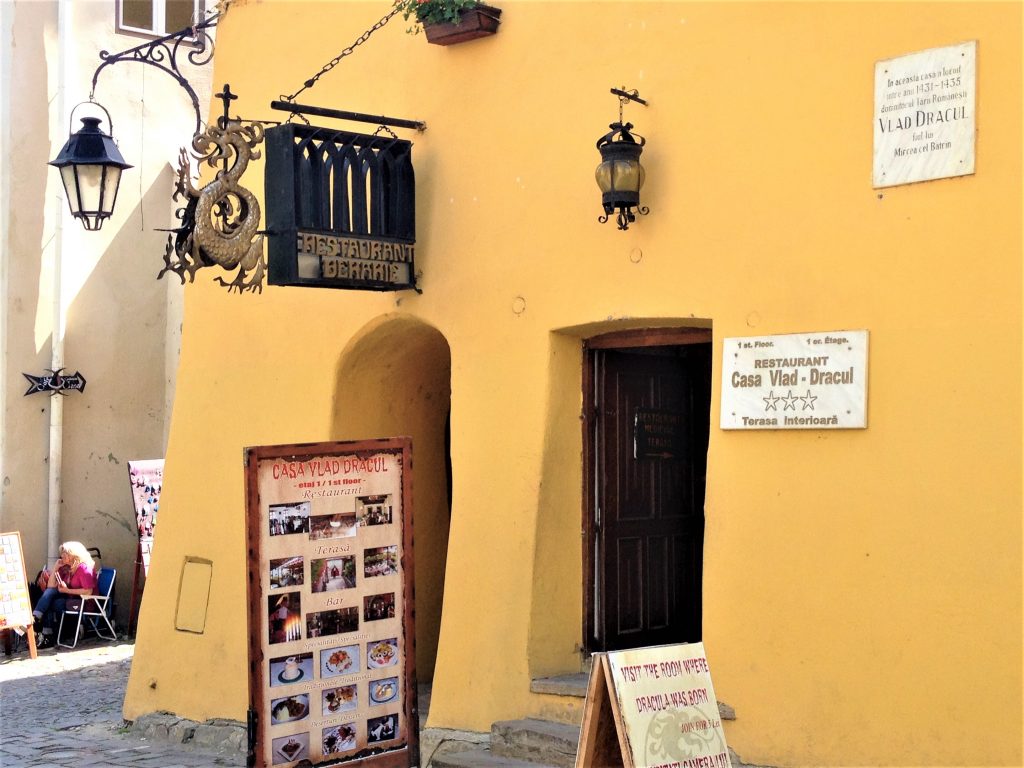
If something confuses you, you might be staring like a turkey hen at the boughs (te holbezi ca curca’n crăci!)
Do not despair; you‘ll get it, eventually. When your coin will drop (îți pică fisa).
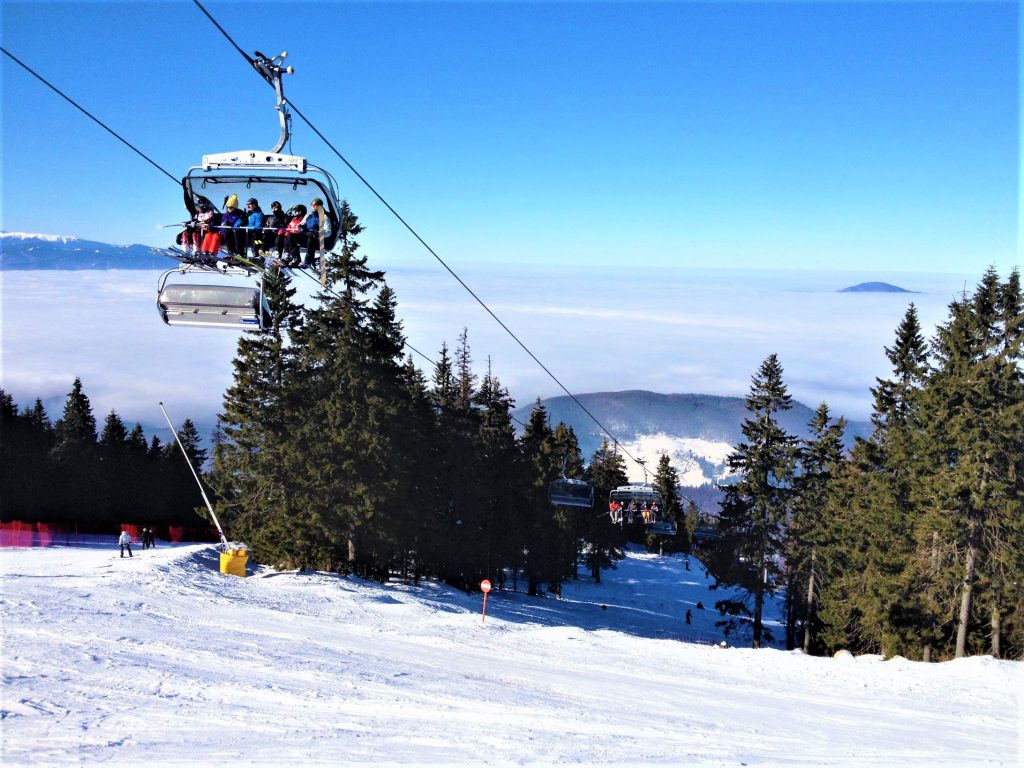
Try, if you can, not to do anything crazy, in general, while travelling. To a Romanian, it will be a clear sign you are gone on a raft (ești dus cu pluta!)
It is also sound advice not to do anything wrong or throw your boggers into the beans (să dai cu mucii în fasole). It will forever destroy your reputation as a respectable person.
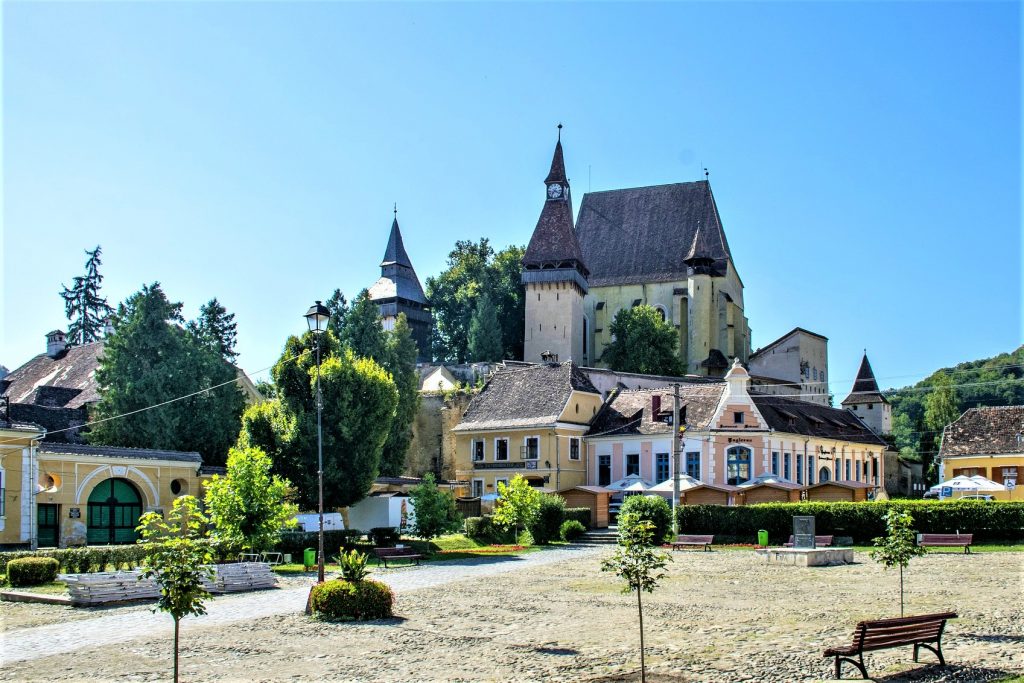
After so much sightseeing and exploring, you will drop dead, enriched, but over exhausted. You’d be cabbage, actually (ești varză!)
You would also be cabbage (no indefinite article) if you didn’t find your passport before your flight back home because you are a bit messy.
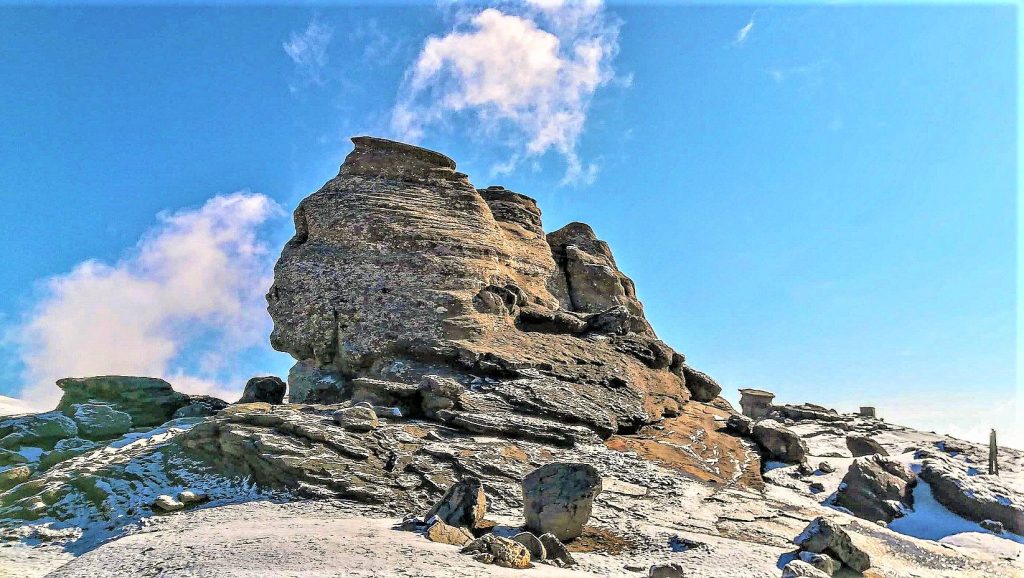
Don’t stress too much; the passport will show up. Unwind and, since it is your last night in the country, you should have a drink with your new friend for life.
If you observe that this person drinks a lot, you might wonder why nobody warned you that they were a drunkard.
Well, one or two of their friends might have mentioned that they were a blotting paper (e sugativă), but you didn’t quite catch it!
The Romanian wisdom doesn’t end here, but I would like to hear from you now. Which one did you find funnier/more bonkers? And what other crazy things have you heard in your travels? Where? In what language? And do you really learn a foreign language before or during your travels? I would love to learn about your adventures!
I hope you enjoyed reading it! Please share the love by saving this pin to your travel or learning languages boards; it will help this blog grow and motivate me to write more for your enjoyment! Thank you!
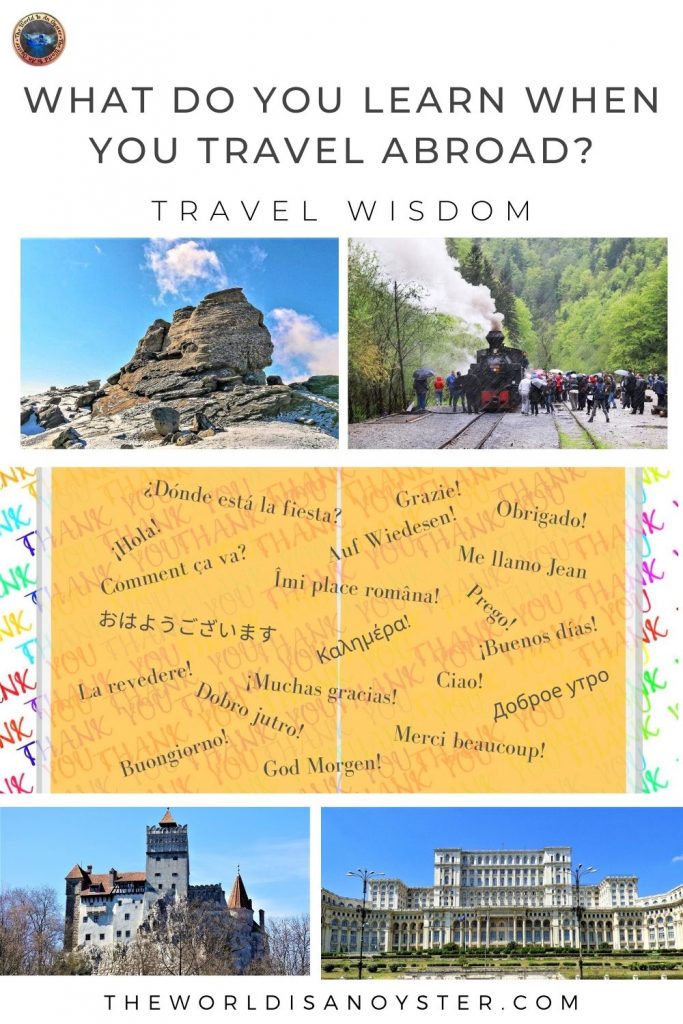
Foreign Languages Proverbs – Colloquialism Or Popular Wisdom
The post What Do You Learn When You Travel Abroad? appeared first on The World Is an Oyster.
]]>