The post Venice. The Jewel Of The Adriatic appeared first on The World Is an Oyster.
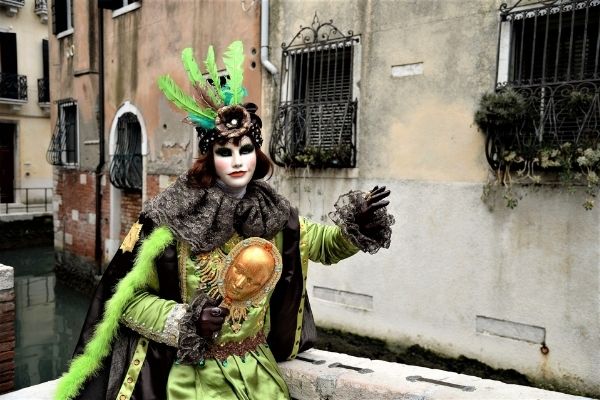
]]>Game of Masks
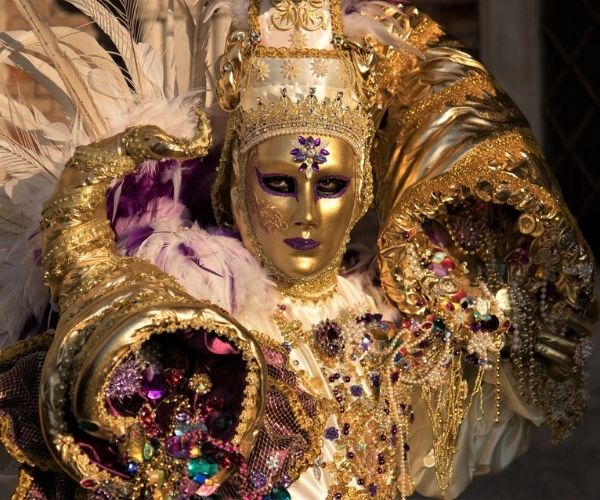
Music: Winter in July, Sarah Brightman
Movie: Pane e Tulipani (Bread and Tulips)
Book: The Honest Courtesan, Margaret Rosenthal
For the entire summer, the cruise ship docks in Venice for three days every three weeks. A few minutes stroll through a sea of tourists that swarm the city in the summer months takes me to Piazza San Marco.
This post may contain affiliate links, which means I will receive a commission if you purchase through my links at no extra cost to you. Please read the full disclosure for more information. Thank you!
Even closer to the pier is an extension of the Giardini della Biennale, called Viale Giuseppe Garibaldi – my favourite quiet place in Venice. Here, I like to spend time alone with a book, sitting on one of the benches strewn along the shaded alley.
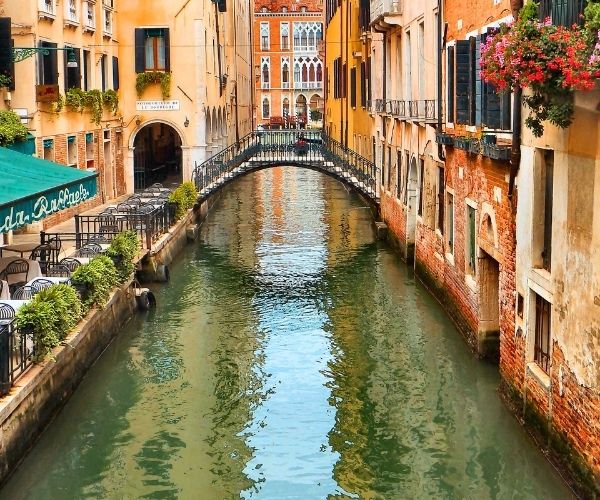
Most of the time, though, I am prowling along the secondary canals around the historic city looking for all things not famous, not noticeable, not picture-perfect but normal in this unique place.
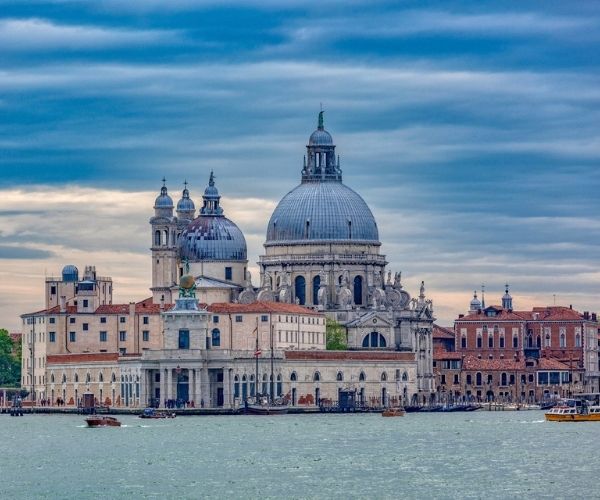
The Serenissima is the most beautiful city in the world; many could state this and win the argument. It undoubtedly is to the proud locals. I’m still debating, but I lean more towards Barcelona.
In the immense diversity of Italian geography, culture and history, Venezia is the most beautiful place. Not only because it is built like no other city on Earth on millions of upside-down-petrified-in-mud trees, but because her fabulous architecture still stands against all the odds. The sea is threatening the island with relentless steadiness. The city still stands, sixteen hundred years on.
Every minute I’m free, I’m out exploring the Serenissima, mesmerised by her duality.
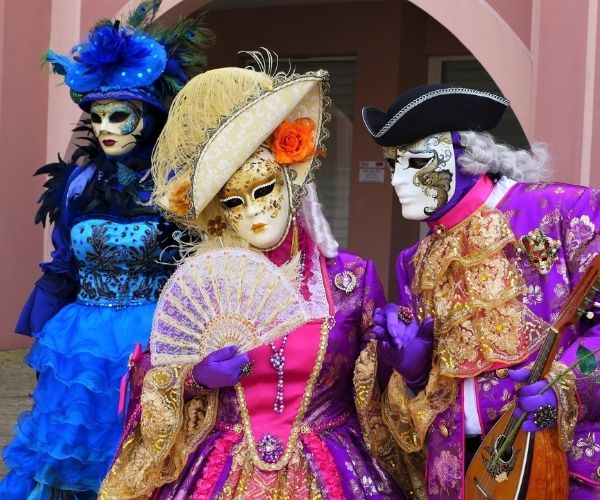
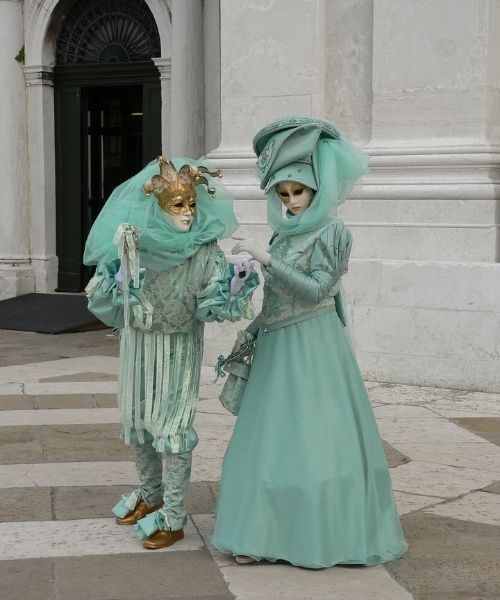
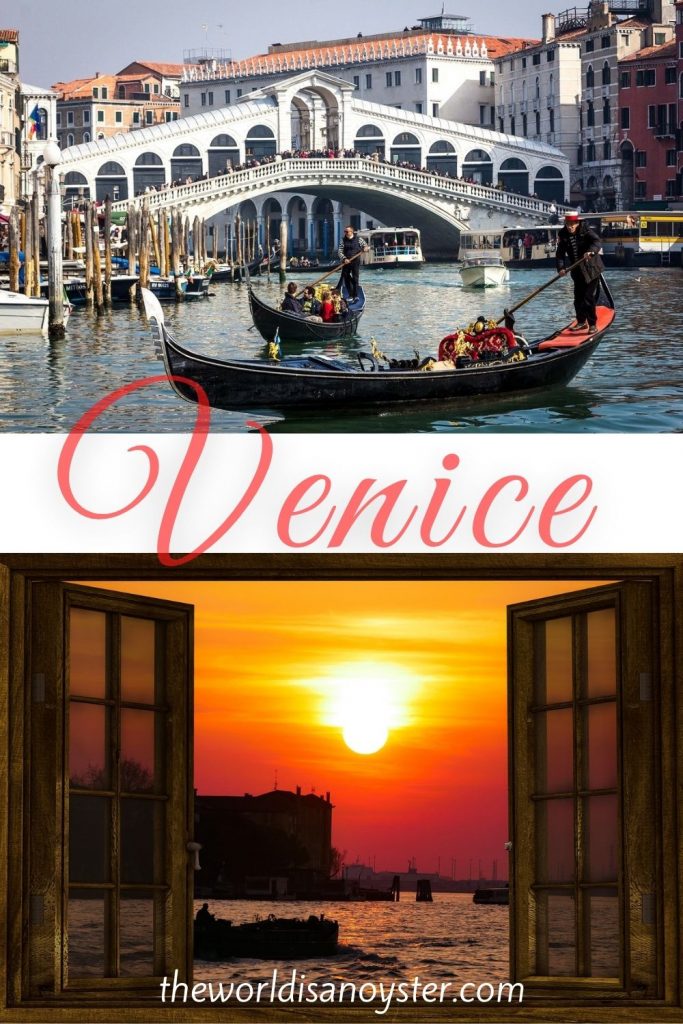
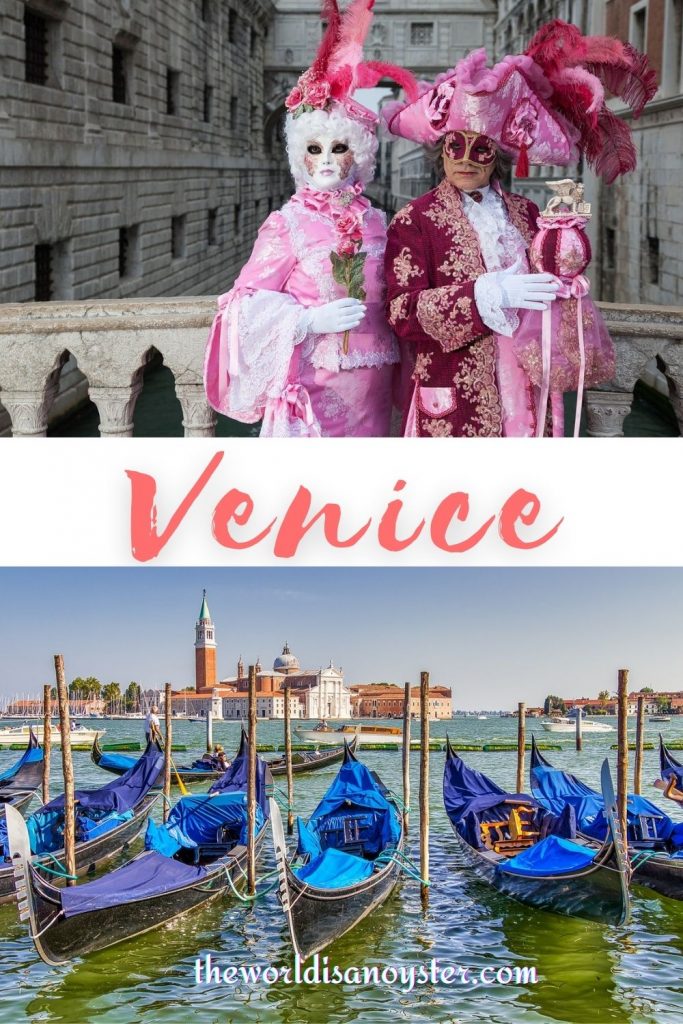
Venice is the Carnevale. She is also the mask. The imposing palazzi along the Grand Canal impress with a beautiful facade. At a second look, though, you’ll notice that the side walls are peeled bare exposing the bricks. They are also partly covered in slime and show signs of a losing battle with the water they spring from.
On the smallest canals, many modest houses don’t even have a facade. After all, Venice is no longer a rich city. It is, though, incredibly rich in history and art.
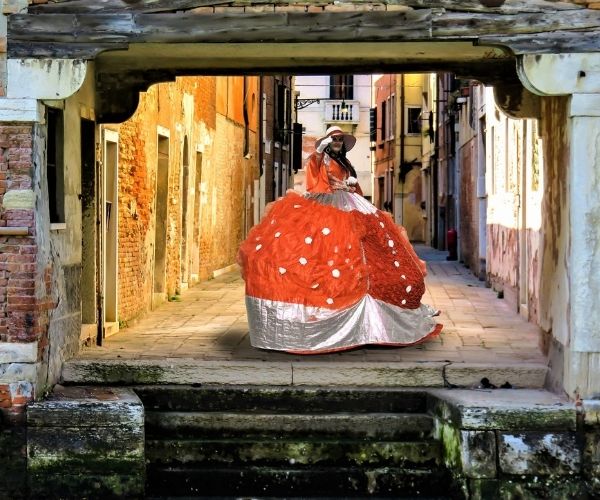
Long gone are the power and glory of the Venetian Republic. Today, the island presents an illusion. The maschera conceals her flaws. And yet, her beauty continues to strike all visitors.
Venice is the silent observer of the countless probing eyes mesmerised by her unique beauty. You’d think you see her, yet she takes great care to conceal her secrets.
The Serenissima, the name Venice is still referred by, has the meaning of “the most serene” of the Italian Republics. Peace was not always easy to keep in the long and troubled history of this place. But a sense of eerie tranquillity still emanates from all pores of this city choked by hordes of tourists every summer.
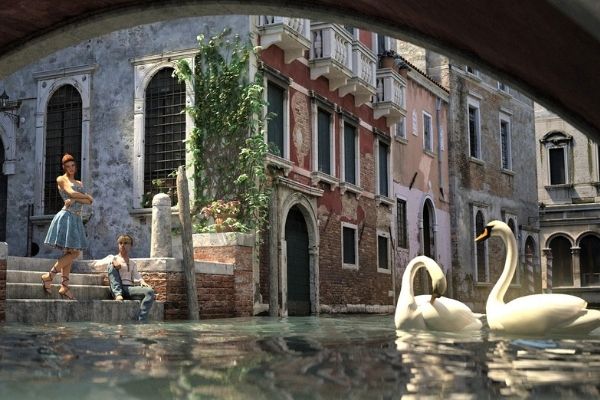
The Grand Canal divides Venice in a curved shape, from the world-famous Piazza San Marco to the train station and the carriageway that connects the island with the mainland.
The first time I set foot in Venice, I decided to walk along the Grand Canal. I wanted to discover what the Serenissima has to offer without a map in hand and preferably without getting lost in the city’s intricacy.

It took me a few hours to make it to Rialto Bridge. Not because it is that long a walk, but because I stopped countless times to take in the beauty of the island. As Fermo, the florist philosopher in the movie said, “Le cose belle sono lente!” (Beautiful things take time!)
Soon, I decided that I’d seen enough of the obvious. It was time to see the city and all its layers. I had no clue where I was, so I kept walking. I got lost in Venice, and I loved it!
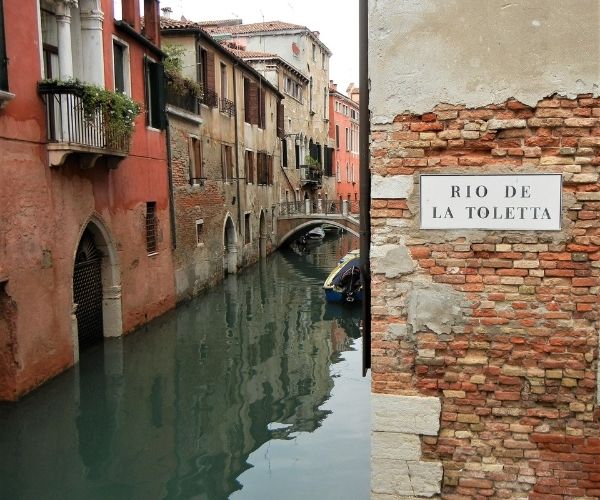
One small canal looks like the other. In time, I got comfortable enough with the whiff of stale water to ignore it. My eye recorded everything around me when the camera was off.
At some point, I got hungry. A salad bar to the right and a pasticceria to the left helped me decide quickly. A minute later, I continued my walk. I had a pack of baicoli (local biscuits) in one hand and a cup of divinely scented cappuccino in the other.
More canals and bridges, a myriad of balcony flowerpots and more peeled render came and went under the relentless Italian sun. At each corner, step by step, the Serenissima revealed her secrets to me.
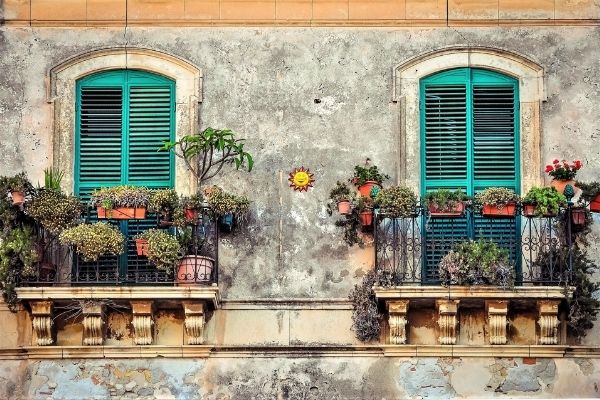
Adjacent to the State Archive, I bumped into Basilica dei Frari. A massive brick building, blending in perfectly with the rest of the constructions in this corner of this island called San Pollo.
Whenever I am in Italy, I have a compulsion to enter every church I see. And I do, not only to find a minute of peace and contemplation but because churches are authentic exhibition halls in this country.
Beyond a grand structure, intricate stone carvings and incredible stained glass, many Italian churches impress with their painted walls, some by great hands, as old as time. They are unexpected art galleries where one stops to search for the meaning of life and finds so much more.
The price of a coffee granted me entrance to Dei Frari. The experience, though, was priceless.
Did you ever have that feeling when you stepped into an old place that you got transported into another time? I did. The minute I set foot on the cold slabs of Dei Frari, I travelled back into a time of Republics, Renaissance, sublime art.
I was still holding a twenty-first-century camera. Yet, I saw a little redheaded boy running around and wondering at the arches suspended so high or at Donatello’s sculptures. I saw the awe in his big brown eyes. I saw what he saw when he caressed the bare brick walls: the paintings that will be. The boy’s name was Tiziano Vecellio.
I twirled round to see more of this massive place, more of the richness that adorns its walls. All the noise faded; all the visitors vanished.
The little boy metamorphosed into a grown man with splotches of paint in his scruffy beard. He was mixing colour with precision, focused on his masterpiece: The Assumption of the Virgin.
He did not know that his strenuous work will become the masterpiece that will mesmerize viewers for centuries to come. But he had an inkling that his bold use of colours will enthral simpletons and crowned heads alike.
At twenty-five, he had the Serenissima at his feet as the anointed official painter of the Republic. He climbed the squeaky wooden ladder in a rush to apply the fresh colour on the Virgin’s mantle, ignoring that paint from his pallet stained his smudged tunic.
Another spin. When I faced the Assumption again, I saw him, an older man now, taking his last pest filled breath. He was pointing to his burial place inside the same church.
The clamour returned, and people started moving around, paying more or less attention to what they came here to see.

I saw all I needed to see. What is left, is the artist’s tomb, at the foot of a non-existent Pietà he never finished; it was supposed to dominate the Altar of the Crucifix. Instead, the old artist’s marble figure was looking back at me with an all-pervading view transcending the centuries.
Titian, as his name is known in English, the master of brush and colour, requested to spend eternity in the Frari, the place where he spent years filling the bare brick walls with his inestimable gift.
To me, it was all juxtaposed images, snippets of time, and remarkable art displays. Dei Frari, only a minor church by Venetian standards, is my favourite place in the entire city.
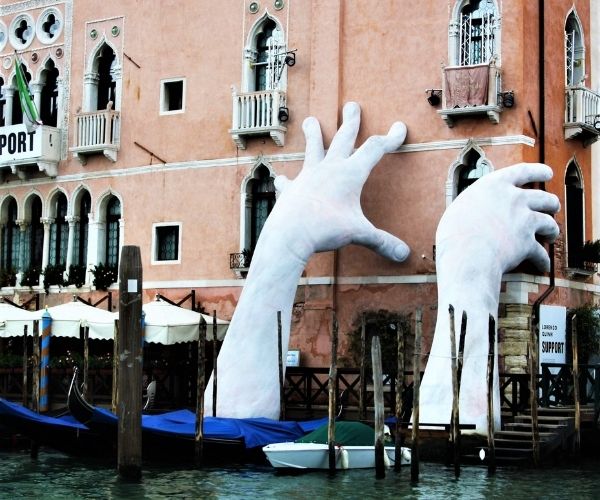
Soon, the canals held no secrets for me. I will come back here and pay the price of a coffee to enter this magical place again and again. And each time, I travelled back to another century! I could not get enough of it. This and reading some book on a bench, in the shade of the lofty trees off the fringe of Bonaparte’s Giardini della Biennale.
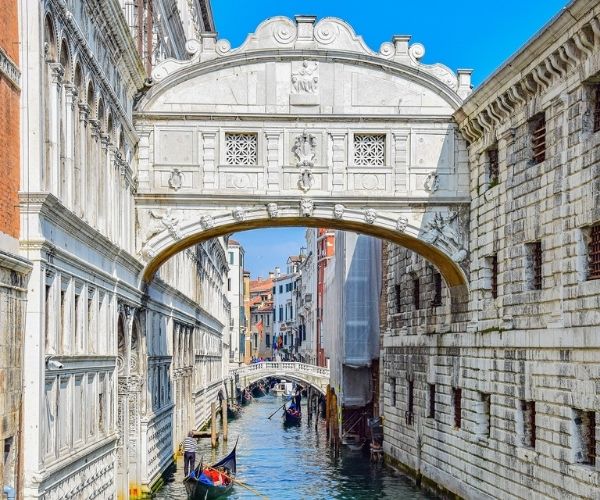
Over the summer, I did all that everyone who visits Venice does. I visited all the attractions. I’ve seen the Dodge’s Palace a few times, from the opulent salons to the desolate jails in stark contrast.
I went to see glassmaking in the industrial Murano and strolled on the canals of colourful Burano admiring the intricacy of another old trade: lacemaking.
I spent money in the city’s stylish shops. I took a gondola ride down the canals and bought a bag of cherries from Rialto Market every time I crossed the bridge.
I visited museums and saw most of the exhibitions on the island. A few times, I took the bus to the mainland.
The only things I did not see were the smaller islands and the Lido. I don’t even remember if we offered a tour to the beach. I had no interest, anyway. I could swim all I wanted in Villefranche-sur-Mer or Barcelona. There was too much to see in Venice to idle by the beach.
In autumn, the ship sails to the Caribbean. At the end of the season, on the last Mediterranean cruise in late October, I went to see Titian one last time. To say goodbye until I will return.
The crowd of tourists that usually suffocate the city was gone. The church was almost empty—all the better. I got my time alone with all the artists and their works without having to worry that I might accidentally bump into other visitors.
Outside, in the crisp autumn, life went on in Serenissima as it did since the Romans built her. The locals went about their business, relieved that the summer rush is over and the city could breathe lighter. Until the Carnevale in February or March, the island will not see much tourism.
As it happens, I am still to return to Venice. I will, one day. And I know the first thing I will do will be spending a coffee’s worth on the entrance to Dei Frari to see a little boy running around in the coolness of the lofty arches above his redhead. This church will still be my favourite place in Venice. I have no doubt.
Game of Masks
The post Venice. The Jewel Of The Adriatic appeared first on The World Is an Oyster.
]]>The post Pompeii, Italy. Life in the Time of Eruption: Vesuvius appeared first on The World Is an Oyster.
]]>Otium. The Art of Leisure
Music: Follow You, Bring Me The Horizon
Movie: Pompeii (2014)
Book: Pompeii: The Life of a Roman Town, Mary Beard
This post may contain affiliate links, which means I will receive a commission if you purchase through my links at no extra cost to you. Please read the full disclosure for more information. Thank you!
23 Octobris
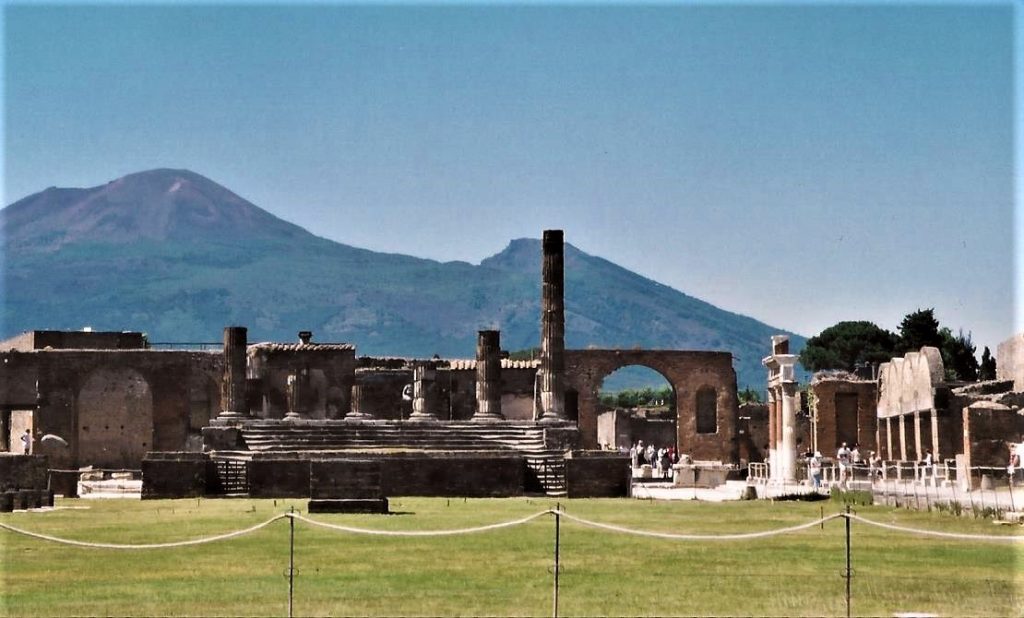
Today is my natalem. It might as well be my last day on earth. The mountain is growling menacingly, shaking Pompeii’s ground every so often. The grey wisp of smoke had not left the top of it for weeks. The gods are not happy.
I was sipping my vino in the filthy watering hole in Regio Secondo while staring at Vesuvio. My two friends were laughing maniacally at some joke I missed completely. Bless them for they are good company and reliable help in my work and travels.
I was commissioned by the mighty Roman senator Marius Atticus Volpes to design and build an otium garden at his new villa in Pompeii.
My friends might think that I’m enjoying their joke, but I’m smiling thinking about how I had made myself a name as a famous garden designer.
In less than a year, the wealthiest of the Empire would recommend me. Of course, I owned signum papyri to attest my brilliancy. All forged by myself in the grubby taberna I had enough coin to afford lodging. Cunning, but necessary.
Volpes is filthy rich and holds a commanding position in Senatus. He is also the cruellest type of man one can imagine: a rapacious businessman, a callous husband and father, a brutal slave owner. I believe him to hate all humans. I’m not sure if he at least loves himself. But he surely loves power!
So great was his desire to outdo all his senator colleagues that, contrary to all expectations, he didn’t even negotiate the colossal sum I requested for taking upon such a task.
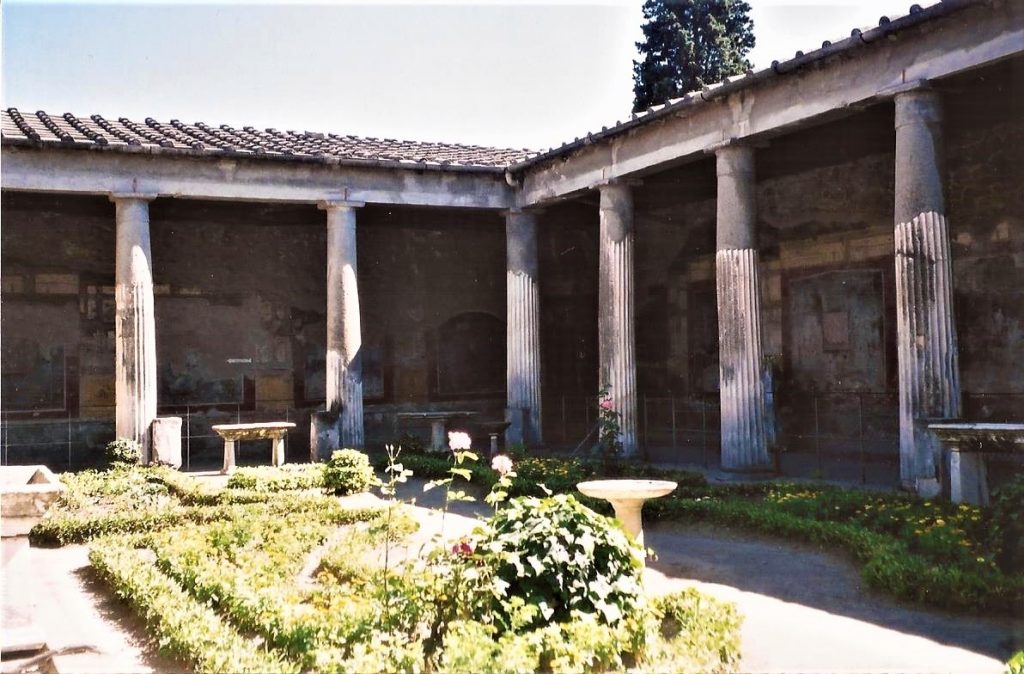
The thought that he will own an otium garden that could only be rivalled by the Cesar’s titillated his pride so much so that he threw the bag of gold on the table as if it had no value at all. Together with a transaction papyrus stating that I am entitled to travel around the Empire and abroad as necessary to get the most exotic seeds, plants and trees to bring to Pompeii, all expenses paid by Volpes. And also that if I fail to complete my task within a year, I will become Volpes’ property and slave in his quarry on the Lattari Mountains.
The man whose fame precedes his predestined name won’t leave anything to chance!
Omni causa fiunt never held more truth than the second I stepped into his majestic villa in Pompeii only to stop dead at the sight of my twin brother among the hundred and forty slaves. Nothing happens without reason, indeed!
It was Fortuna who took me from my mother’s side in a desperate search for my lost twin and brought me precisely to Volpes himself in Rome, who then dispatched me to Pompeii.
How else would I have found the brother I last saw being taken by the Romans as they savagely attacked our peaceful village close to Tomis by the Pontus Euxinus? The apple of my mother’s eye and her only hope for help in her old age—the twin whose heartbeat I knew in the womb we shared. The wonderful brother I had known for twelve years, until that cursed day when the eagle banner fell upon our village with savage cries and gladius blows.
Davos threw me and our mother in the hole dug in the foundation of our house and drew a bed over it. A massive brute leapt into our home the next second, grabbed him by the arm and carried him out as if he were a rag doll.
Mother covered my mouth with her hand to muffle my desperate cries. Silent tears of fire coming out of her widened eyes burned the skin of my cheeks. The light of her eyes and the twin of my soul was brutally taken from us by a handful of barbarians who called us peaceful people, barbarians!
For three years, I had watched mother gazing longingly at the endless sea. I heard her crying her unbearable loss at night when she thought I was asleep.
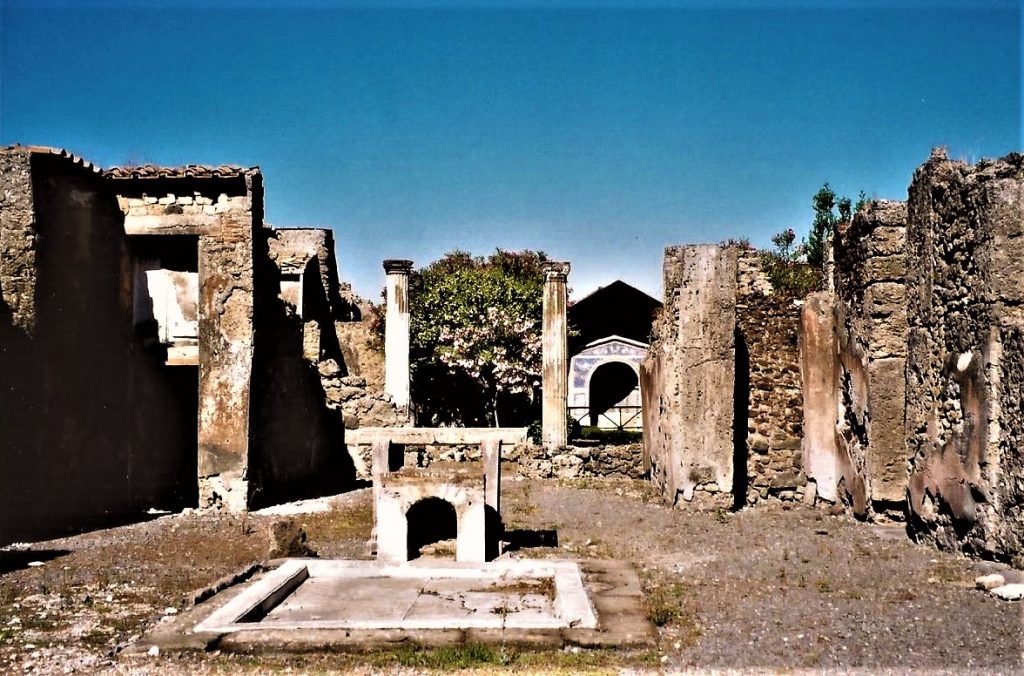
When I turned fifteen, I got up early, cut my long curls and traded my dress for trousers and a man’s shirt. I grabbed a knapsack I filled with a loaf of bread, some cheese and grapes from our vineyard, wrote a few words on a sheepskin parchment and left the house. I promised mother I would return her son. I wrote that she had to have faith in me and be sure I’d keep my word. And that I loved her.
For ten years, I travelled the roads of the Empire. I learned a lot, endured a lot, and laughed some, but I never lost hope that I would bring my twin back to his mother. Only everywhere I turned, there was no sign of him.
One day, my travels took me to Rome, where all roads converge eventually. And somehow, I managed to remain free in a place where most foreigners were slaves. But who knew I was a Dacian?
I was Ziais no more. My Roman name was Romulus Remus Quirinus (who would remember old legends, anyway?)
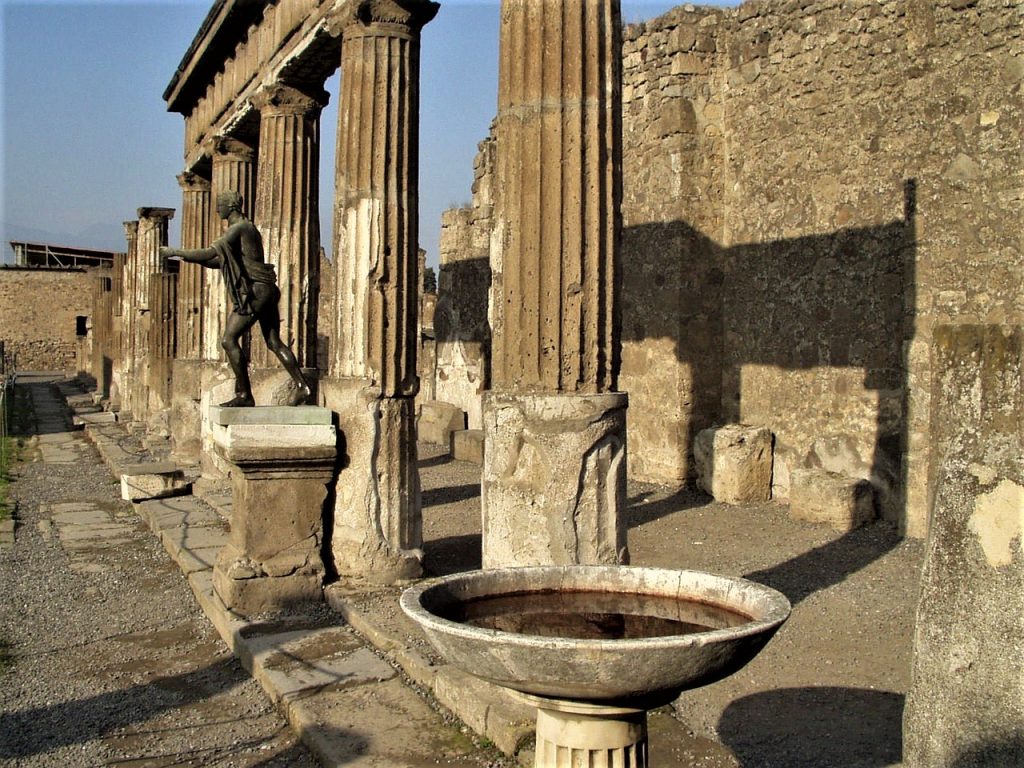
I was too short and thin as willow to be of any use as a toiling slave. But I was clean, smart and comely enough to seem a learned one. And sufficiently cunning to avoid trouble and find out things. Such as senator Volpes looking for the best designer in the Empire to build him the best otium garden gold can buy at his new villa in Pompeii.
Gold I needed more than anything and flowers I loved since I was born. Mother had the most beautiful, balmy and sundry garden in the tiny village by the sea.
The past thirteen years of my life unrolled in my mind the second I saw Davos walking through the messy place that I will have to transform into the most magnificent otium garden within a year.
He was a grown man now. The twelve-year-old boy taken from us has blossomed into a handsome bloke. The work his master forced him to do developed his willowy body into that of an Atlas. His skin was sunkissed, but his face was stern. But his blue eyes showed the same kindness I knew as a child.
Our eyes’ deep dark blue colour was the only thing we had in common, considering we were twins – slim chance anyone would put two and two together.
Within the year, I got closer to some of the slaves. Davos was keeping to himself a lot, but in the end, I made him crack a smile at my jokes.
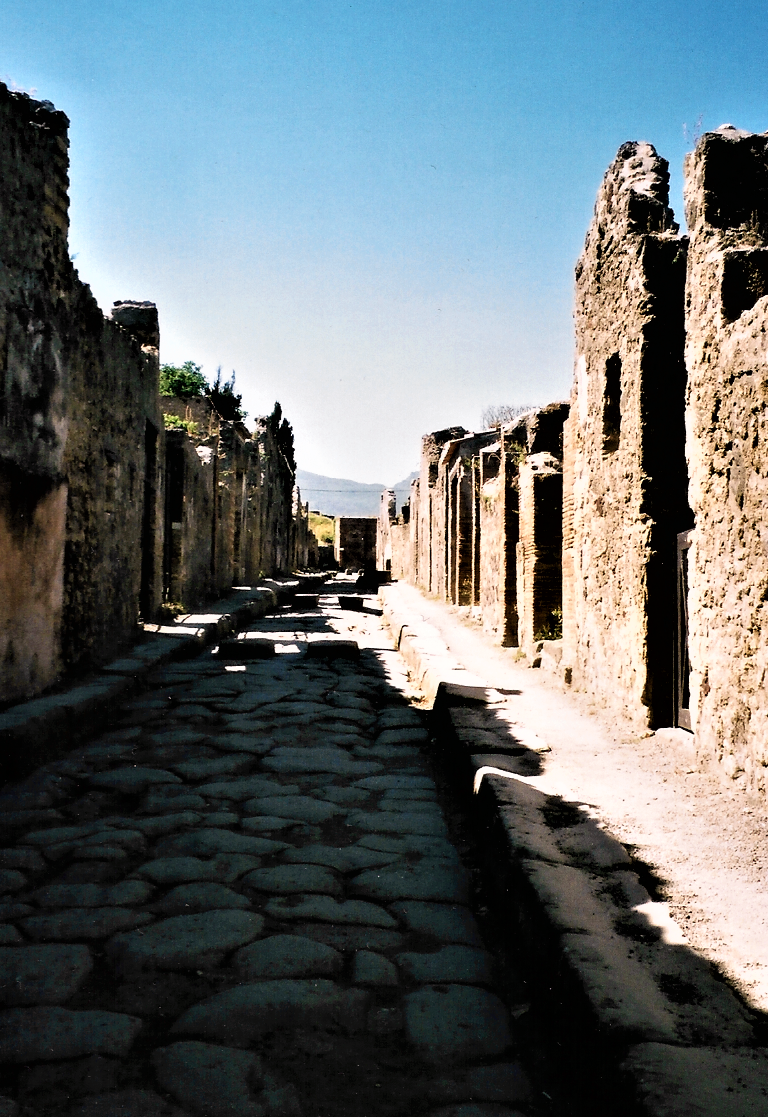
I became quite friendly with the domina and her beautiful daughter, Sylvia. I felt sorry for the abusive way Volpes treated them. His wife was only good to him for her father’s position of power. His daughter was only good to him for the prospect of marrying her to the lecherous old satyr that was the consul. What father sells a child for his own good?
As for his hundred and forty slaves, their only purpose was to stay alive and toil or kill each other in the arena for what they called sports and profits that Volpes carefully placed in his repositorium. Later, I would accidentally find out where that was in his villa and smash it open for Sylvia to take the entire treasure away when I persuaded her to elope with my brother.
The year of hard work went by quickly. A couple of times, I had to go on long trips searching for plants and old statues.
Two full moons ago, I returned from my last trip to Pontus Euxinus. I went back home one last time to see my mother and assure her that her son would return soon. And to take some climbing roses from her garden, the ones I loved the most for their poignant fragrance.
Volpes’ villa was still standing, although the incessant rumbling of Vesuvio started shortly after my return. The garden was out of this world. Exquisite! Everybody was congratulating the senator.

For a long year, I had been up early every morning decorating the walls with frescoes. I had placed in the right spot all the statues brought from my travels. I had some of the slaves carve ornaments for all twenty fountains sprinkled around the gardens. The massive pool became the main attraction for Volpes’ many and influential guests. Its intricate floor mosaic was also my creation.
I decorated the triclinia strewn around with the most expensive silks and gold thread. The female slaves always kept the trays filled with meats, bread and fruits for the guests. The trees, the maze, every single last bush owned a perfect spot in this lush sanctuary. This place was heaven!
Volpes even succeeded — with great effort — to enunciate some slurred words that hardly could be construed as ‘gratitude‘ when I showed him my work. Coming from him, it meant a lot! The man only gives orders, never appreciating the efforts of others. Volpes paid for it, but the monster did not deserve it!
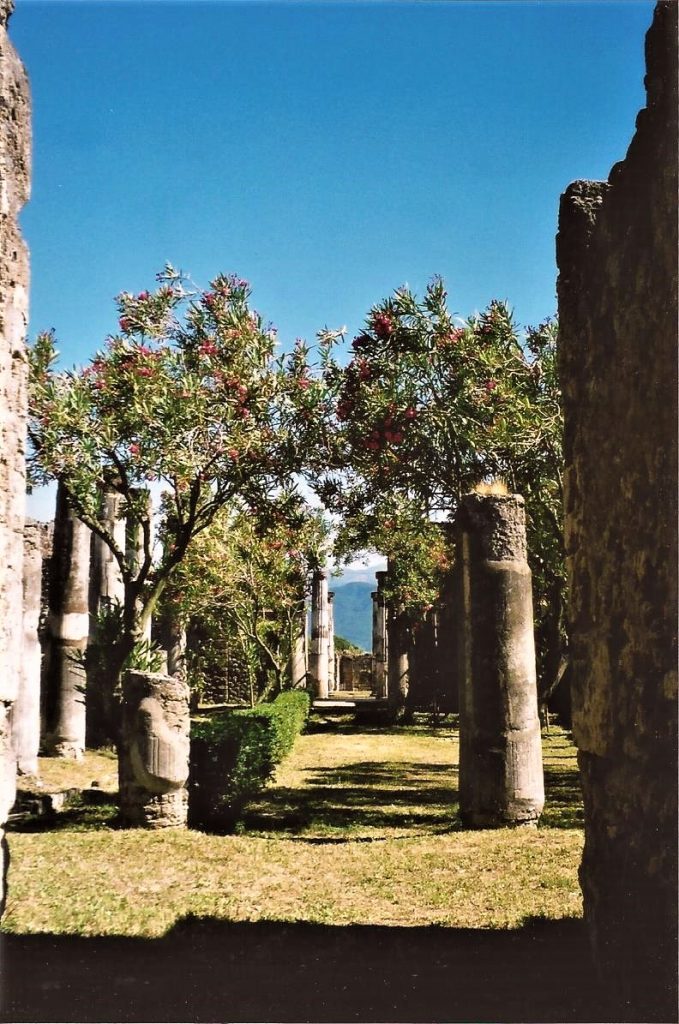
The peristyle became my living place. I loved to sleep under the stars in the little cove I built to myself, masked by thorny bushes. From my secret cove, I could hear the political intrigues whispered during the day (so much for otium!) and the noisy orgies that happened at night during the lavish, gluttonous banquets hosted by Volpes.
From there, I could also catch glimpses of whispered dialogue between Sylvia and no other than my twin. I cried an entire night when I found out that they were so tragically in love! And I swore to make their happy ending happen! I had no clue how, but it had to happen just as the mother would have to see her son again.
An idea started sprouting in my head.
A prolonged tremble brought me out of my reverie. My friends poured more vino, wished me felix natalis again and tossed it off. Before dawn, we would walk back to the villa, all three of us in various stages of intoxication.
24 Octobris
The villa was quiet. Everybody was asleep, except for the guards.
I was friendly with the guards, too and offered them a cup of spiked vino. They knew about my birthday and did not refuse one drink, no more.
When the last and most resistant of them finally gave up and was snoring softly, I grabbed the keychain from his belt and went down to the cells. All the slaves held there were awake, as instructed.
Davos was waiting by the grated gate. My hands were shaking so badly that I couldn’t even find the right key. I slipped the bunch to Davos to deal with and returned to the villa. After instructing the others to meet by the stabulum, careful not to scare the horses, he followed shortly behind me.
I asked him to push the heavy marble throne supported by two massive lions. I knew the monster was keeping his assets in a nidus carved in the wall behind the throne.
I placed the last coin and shiny stone in the knapsack I had prepared for this. I handed it to an astounded Darius and told him to hurry to Sylvia’s cubiculum, wake her and run to the stabulum. They were to ride east without looking back and keeping away from Vesuvio and the sea.
Before he turned, I jumped in his arms and gave him the tightest of hugs, one I remembered from my mother’s womb. I made him swear amid bitter tears that he would not stop riding until he had reached the little village on the shore of the Black Sea and had delivered his beautiful bride to his grieving mother.
Davos looked at me perplexed; he still did not know who I was. I had to push him out of the officium.
The entire house was shaking. It was time to face the monster. I was adamant this would be the last time, no matter what. So far, the gods have granted me all I asked from them, and I was hopeful.
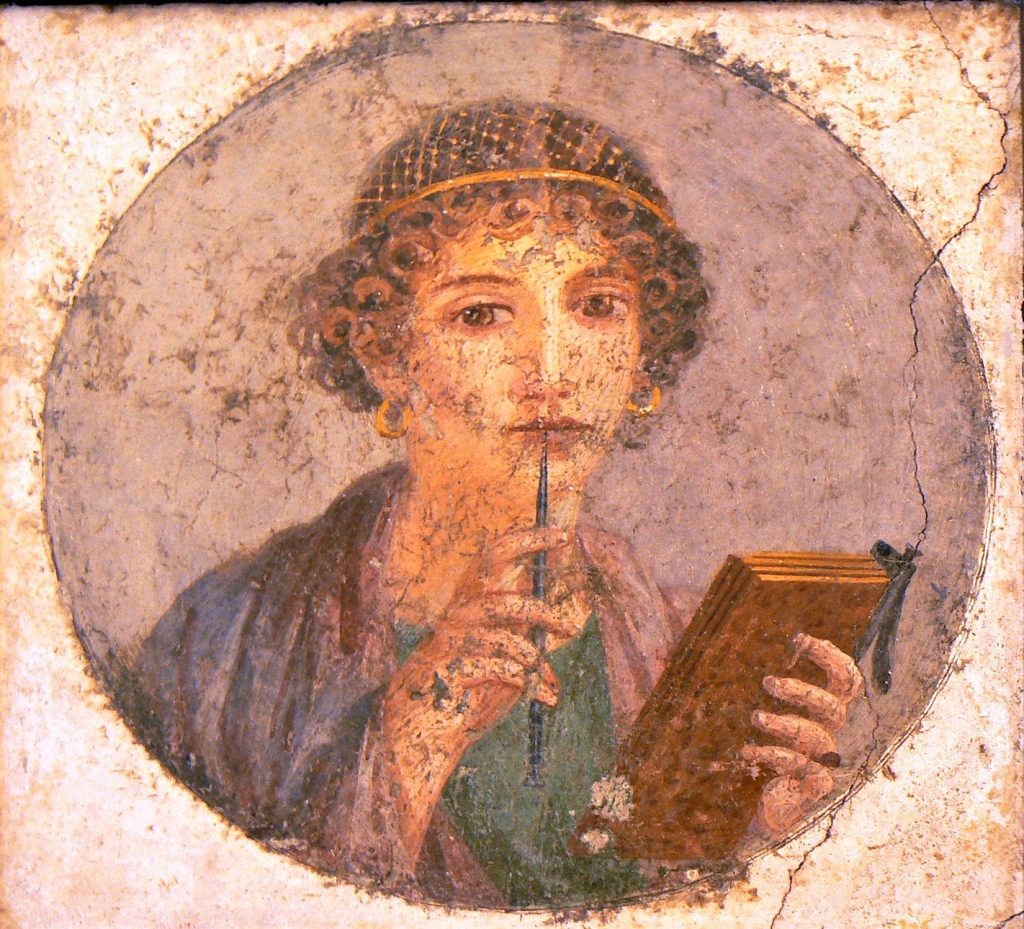
Awakened by yet another prolonged trembling of the earth, Volpes came rushing to his officium. At first, he did not see me and ran straight to the massive marble piece behind the throne, disturbed from its usual place.
When he turned, his face looked deformed with fury. Then, he saw me.
“You, I will kill you!” His eyes were bloodshot, and his voice inhuman. As he came out from behind the marble throne to leap at me, a violent shake made the massive throne collapse, catching both his legs under it.
The rage and pain turned his demented face blue. His shrieks became demonic.
I had my back glued to one lofty Greek column that I knew the angered spirit of Vesuvio would not wrench down easily.
The air in the officium became unbreathable. Floating dust particles from the collapsed masonry parched my throat, and my eyes were stinging. I dared move close to the monster only when I was confident that there was no chance of him reaching me.
Volpes shouted at me to help him out. I said I would not do such a thing.
The curses started falling out of his pipe like water in the twenty fountains and the immense pool in the garden before the Augustus aqueduct unexpectedly dried up yesterday.
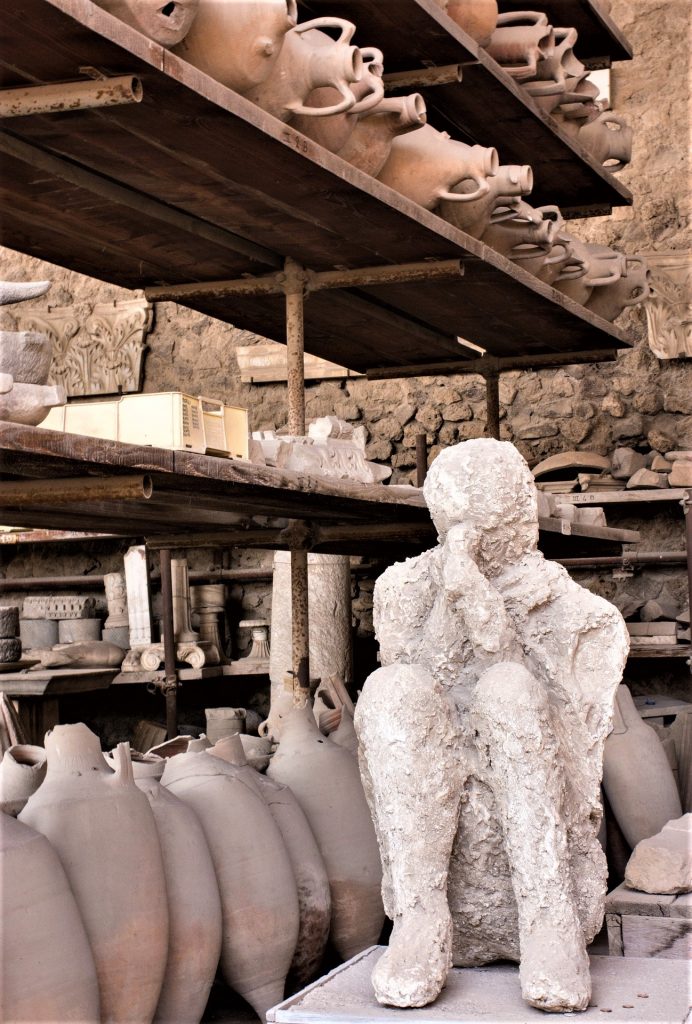
After a while, the effort and the pain got him tired, and his tirade slowed a little, enough for me to tell him that nobody could help him. His wife did not care. His slaves were free men and women. So was Sylvia, on her way to Pontus Euxinus to marry the man she loved, my twin brother Volpes had enslaved fourteen years ago.
Sylvia and Davos will live happily for many years with the stash of gold and the sparkling stones I removed from the nidus in the wall. After their time, many generations will still benefit from that fortune, for my brother was intelligent and hardworking and would know how to make it grow.
All the love Sylvia never received from her father she would get from my mother. I just knew mother would love her as if she were her daughter.
A node was threatening to choke me worse than the dust that was floating in the air. My eyes filled with tears. I won’t see mother again, but she will have her son back and a wonderful daughter-in-law to take my place in her heart if that was at all possible.
The monster started to shout again, blinded by hatred. “I will kill you! I covered you with gold, you bastard son of a bitch!”
“Aye, you did that. Allow me a correction, though. ‘Bastard daughter’, if you please!”
Volpes’ eyes bulged out. I had never seen such hatred in a man’s eyes before. And I had seen a lot in my twenty-six years in this world.
“Yes, you paid a woman to build you the most magnificent otium garden, bigger and more beautiful than that of Titus. A woman who could read right through you and outplayed you at your own game. A free Dacian woman who has no respect for the worthless piece of shit you are! A woman who liberated those you oppressed and abused for years. A woman who will die happy knowing that they are all far from your poisonous reach!”
His face contorted as if he were crying. I saw no tear; the tyrant was not able to produce one. To my shock, though, he begged me with a faint voice to kill him.
“I am no murderer,” I said and turned my back to him. Soon, the loud rumbling of the mountain covered his terrible wailing.
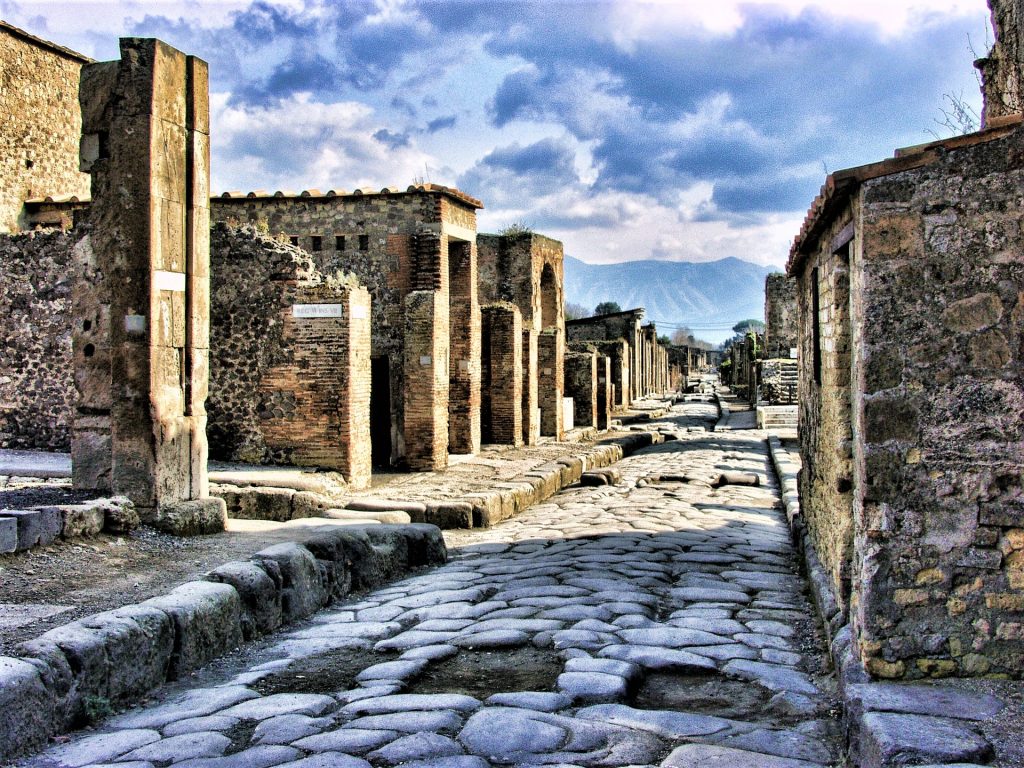
The earth was still shaking violently when I sat down on my favourite bench under my rose pergula in my garden. The acrid smell of sulfur and hot ashes replaced the intoxicating aroma of my mother’s roses. I struggled to breathe through it.
Through the dense curtain of smouldering ashes snowing down, I saw my mother receiving the guests at the gate of our house. I saw the shock on her face when she recognised her lost son. I saw her embracing Sylvia, and I closed my eyes tight to feel her embrace. I knew she was thinking of me. And she knew that I was thinking of her.
The bay’s gorgeous view was obstructed by the thick black storm of ashes floating in the air. So was the sun. Maybe it was for the better that the life-giving god Apollo couldn’t see his creation wreathing desperately to escape when there was no escape. Pompeii was doomed; that much was clear!

Behind the villa, I heard the earsplitting thunder of an explosion. In the end, Vesuvio spewed up all the wickedness accumulated for centuries in this living hell.
A deep sense of tranquillity and profound happiness filled me. After years of constant search, struggle, despair, agony and ecstasy, I was finally at peace with myself, with life, with the gods.
At long last, some bloody time for otium!
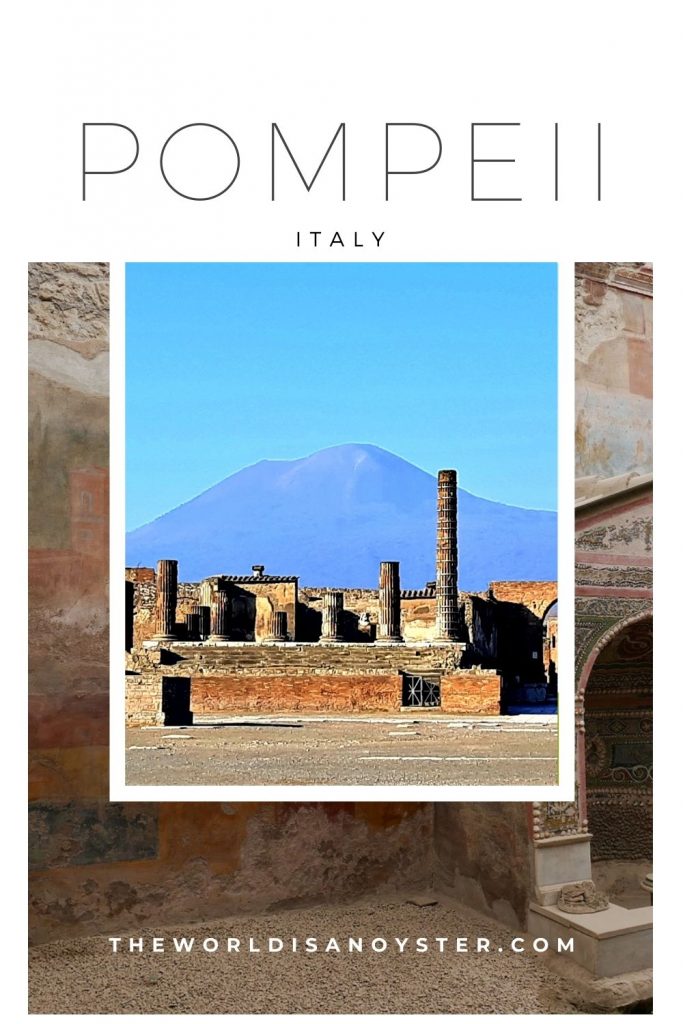
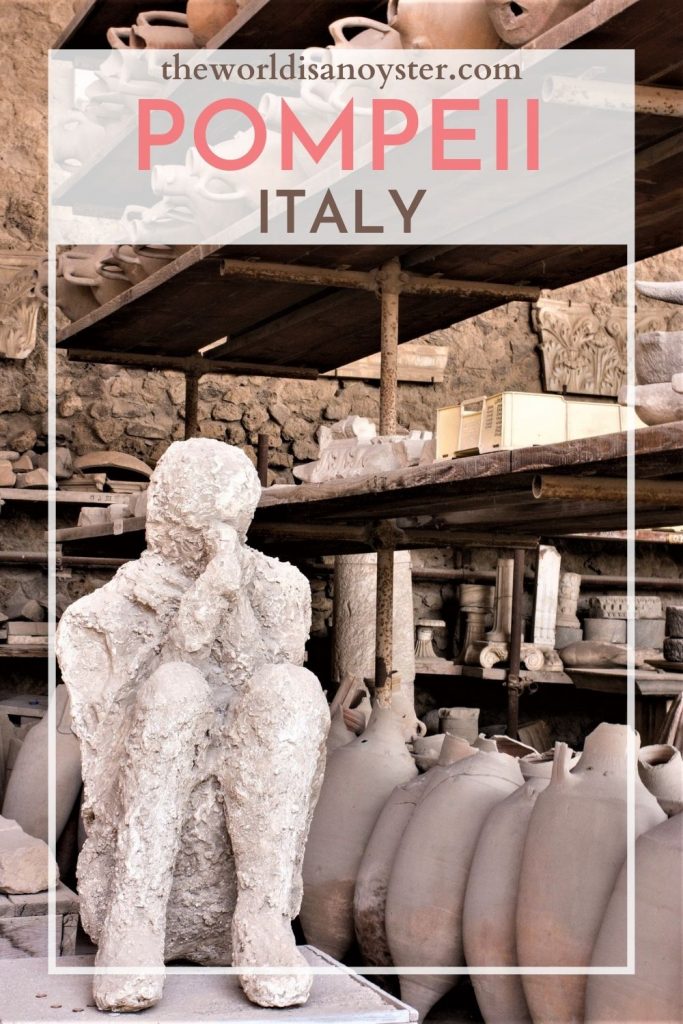
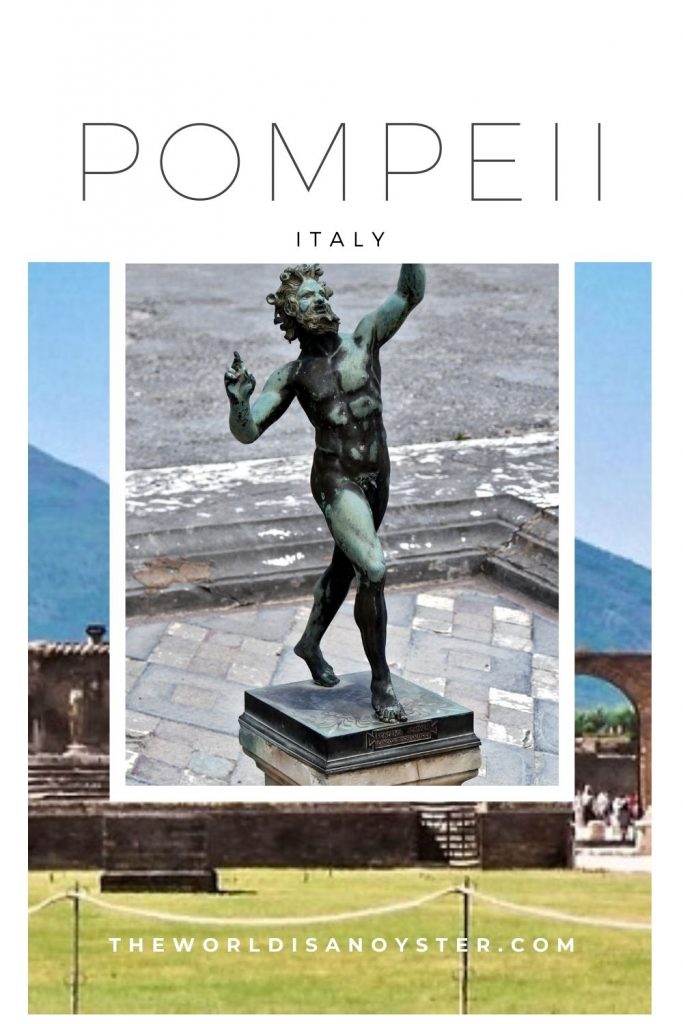
I hope you enjoyed reading this story! If you’d like to read a similar one of Greek Antiquity, please check Rhodes. Please share the love by saving a pin to your travel boards; it will help this blog grow and motivate me to write more for your enjoyment! Thank you!
Otium. The Art of Leisure
The post Pompeii, Italy. Life in the Time of Eruption: Vesuvius appeared first on The World Is an Oyster.
]]>